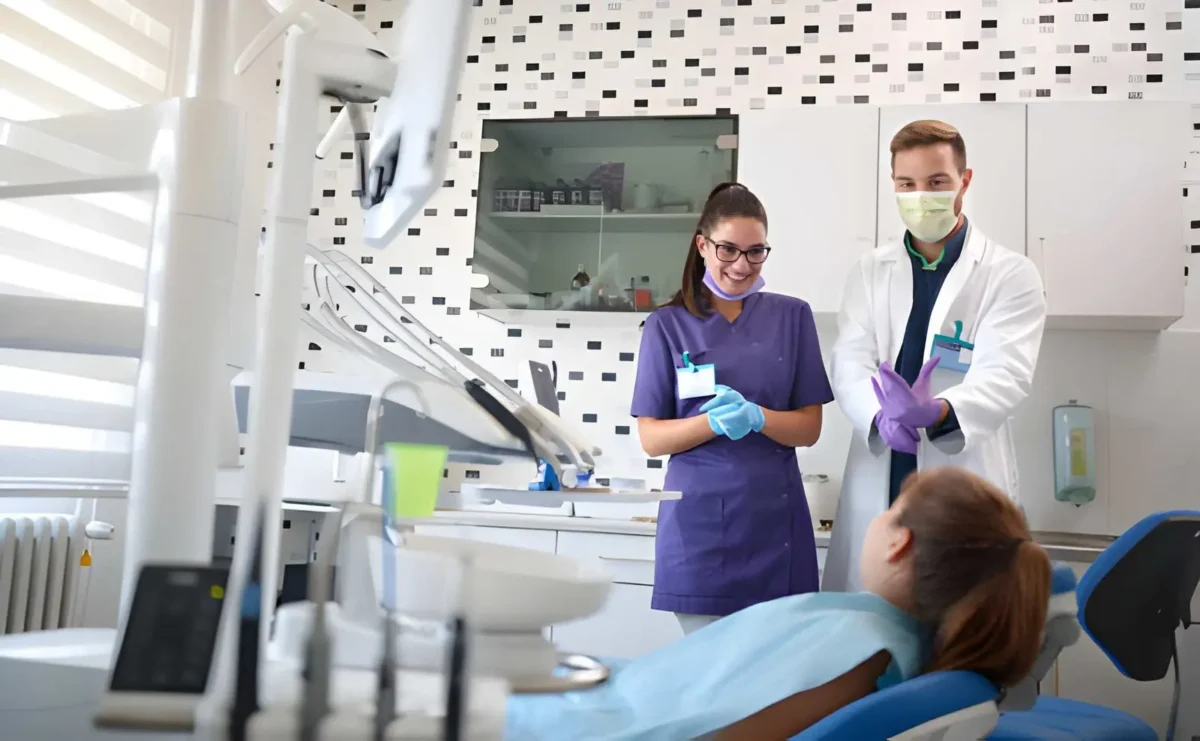

Switching dentists — whether from a move, an insurance change, or simply wanting a new provider — brings a small but common source of anxiety: what actually happens at that first appointment? Unlike a follow-up cleaning with a familiar dentist, an initial visit with someone new is longer and more thorough, which can catch people off guard if they’re expecting a routine 20-minute cleaning.
Why the First Visit Takes Longer
A new patient exam typically runs 60–90 minutes, compared to 30–45 minutes for a routine cleaning with an established patient. That extra time goes toward building a complete picture of oral health from scratch, since a new dentist has no prior history to work from. According to the American Dental Association, a comprehensive first exam typically includes a full medical and dental history review, a complete oral cancer screening, periodontal (gum) charting, and a full set of diagnostic X-rays if none are on file or the existing ones are outdated.
What a Comprehensive Exam Usually Covers
Health history intake. Most practices ask new patients to fill out forms covering medical conditions, medications, allergies, and previous dental work before ever sitting in the chair. This isn’t just paperwork — conditions like diabetes, pregnancy, or blood thinners can directly affect treatment decisions.
Diagnostic imaging. X-rays reveal decay between teeth, bone loss, and issues below the gumline that aren’t visible during a standard exam. Federal guidelines generally recommend against unnecessary repeat imaging, so bringing prior X-rays (or having them transferred) can save time and avoid redundant radiation exposure.
Periodontal charting. The dentist or hygienist measures the depth of the space between teeth and gums at several points around each tooth, which is the primary way early gum disease is detected before it becomes visible or painful.
Oral cancer screening. A visual and physical exam of the mouth, tongue, throat, and neck, which takes only a few minutes but is a standard part of a thorough first visit.
Treatment plan discussion. Following the exam, most dentists walk through any findings and outline a plan — noting what’s urgent, what can be monitored, and estimated costs — before starting any actual treatment.
What to Bring
Bringing a list of current medications, any recent X-rays from a previous provider, and insurance information speeds up the process considerably. Patients switching due to an insurance change should confirm network status before the visit, since out-of-network costs for a comprehensive exam can be significantly higher than an in-network rate.
Signs of a Thorough (and Trustworthy) First Visit
A well-run new patient visit typically involves the dentist personally reviewing findings rather than just handing over a printed treatment plan, explaining the reasoning behind any recommended work, and being clear about what’s necessary now versus what can wait. Reviewing how a specific practice describes its own new patient process can be a useful preview — for example, Dr. Faith-Roselle Barreyro at Diamond Dental Studio has written about how her team structures new patient visits for dentists in san diego searchers comparing providers, which gives a concrete sense of what a comprehensive first exam actually looks like before booking.
The Bottom Line
A first visit with a new dentist is intentionally more thorough than a routine cleaning, and that extra time is what allows accurate, individualized treatment decisions going forward. Patients who arrive prepared — with health history, prior records, and questions in hand — tend to get more out of that initial appointment and set a clearer baseline for ongoing care.
Also Read
- How Bookkeeping Services Enhance Business Planning
- Pendeja Meaning in English: Definition, Usage, Cultural Context, and Real-Life Examples
- What Is a 3D Scanner? Common Misconceptions and the Reality Behind Modern Scanning Technology







Leave a Comment