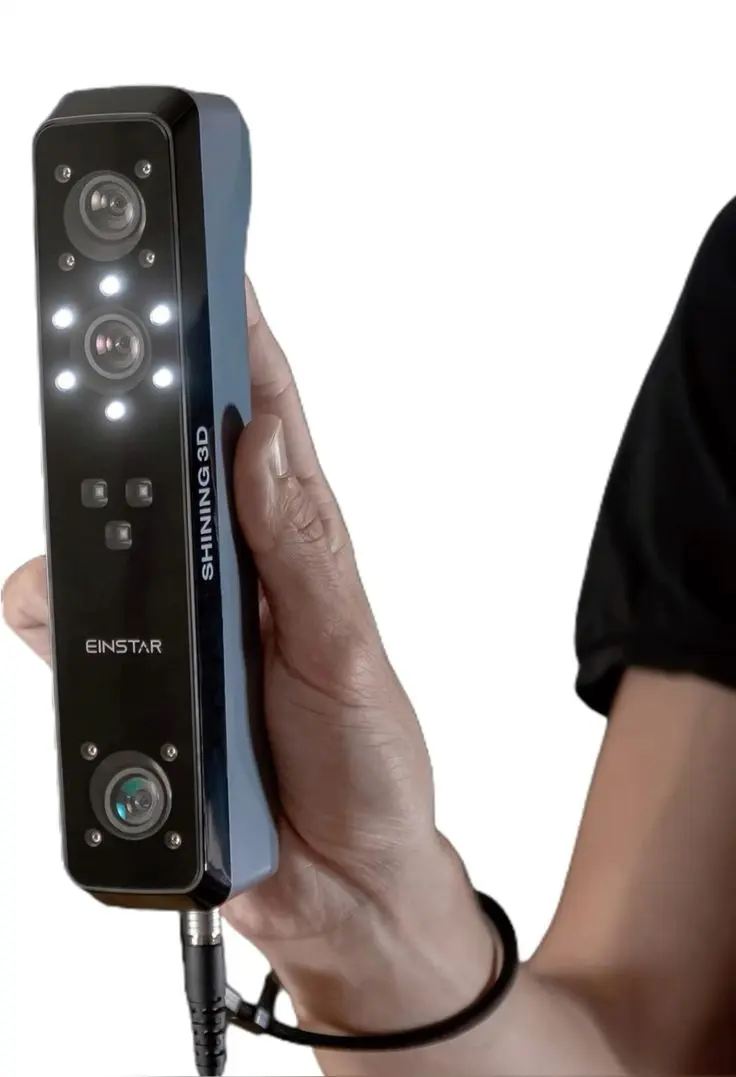

Mention 3D scanning to someone unfamiliar with the technology, and they might imagine expensive industrial equipment used only by large manufacturers. Others assume that scanning an object is as simple as taking a photograph and instantly generating a perfect 3D model. The reality lies somewhere in between. As digital manufacturing, product development, and rapid prototyping continue to evolve, more individuals and businesses are asking: what is a 3d scanner and why has it become such an important tool across industries?
The answer goes far beyond creating digital copies of physical objects. Modern scanning technology is helping companies reduce design time, improve accuracy, preserve valuable data, and streamline production workflows in ways that were difficult to achieve just a decade ago. Let’s explore some common myths and uncover the reality behind today’s 3D scanning solutions.
Myth #1: 3D Scanners Are Only for Large Industrial Companies
One of the most persistent misconceptions is that scanning technology is reserved for major corporations with massive budgets. Years ago, that belief had some truth to it. Early scanning systems were expensive, complex, and often required specialized training. Today, however, the landscape has changed significantly. Modern scanning devices are being used by:
- Product designers
- Small manufacturers
- Educational institutions
- Engineers
- Artists
- Hobbyists
- Entrepreneurs
As technology becomes more accessible, businesses of all sizes can integrate scanning into their workflows without the barriers that once existed.
Myth #2: Scanning Replaces Human Creativity
Some people worry that scanning technology removes creativity from the design process. In reality, scanning serves as a starting point rather than a replacement for human expertise. Designers frequently scan existing objects to:
- Improve designs
- Modify dimensions
- Create custom variations
- Test new concepts
- Develop future product versions
The scanner provides accurate digital information, but the creative decisions still come from the user. Many professionals view scanning as a productivity tool rather than an automated replacement for design skills.
Myth #3: Every Scan Is Instantly Ready for Manufacturing
This misconception often leads to unrealistic expectations. While modern scanners can capture impressive levels of detail, scanned data sometimes requires additional refinement before it can be used for manufacturing or production. Depending on the project, users may need to:
- Clean scan data
- Repair mesh imperfections
- Adjust dimensions
- Optimize geometry
- Prepare files for specific applications
Fortunately, modern software continues to simplify these tasks, making the overall workflow more efficient than ever.
Understanding What a 3D Scanner Actually Does
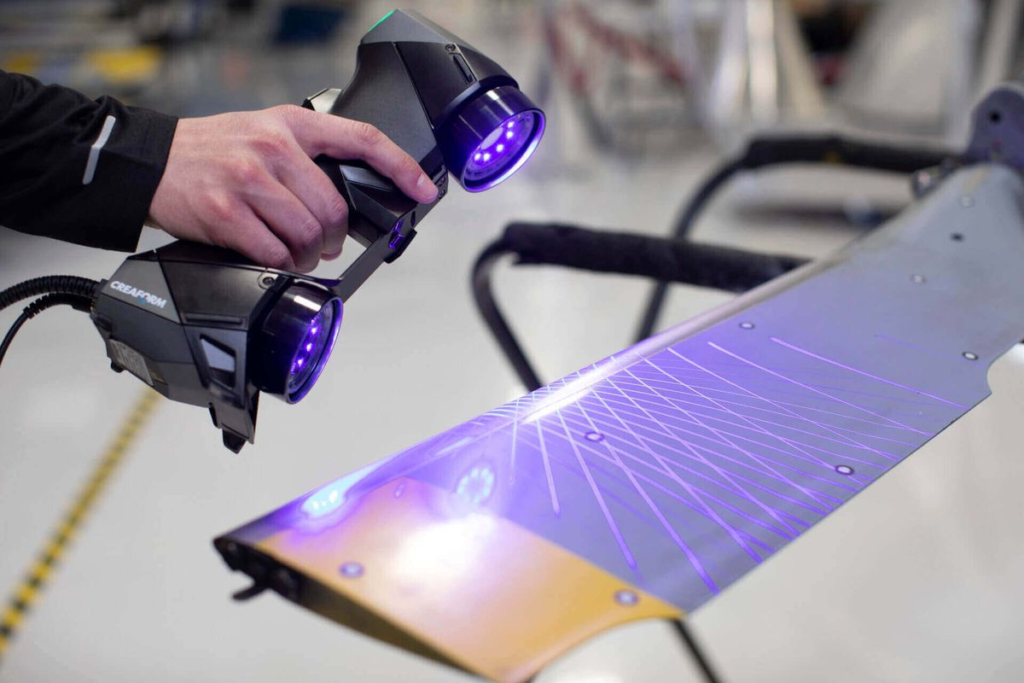
For beginners, understanding the basic function of a scanner is often the first step. So, what is a 3d scanner in practical terms? A 3D scanner captures the shape, dimensions, and surface details of a physical object and converts that information into a digital model. Instead of manually measuring every feature, the scanner gathers thousands or even millions of data points that collectively represent the object’s structure.
This digital representation can then be used for analysis, modification, documentation, or manufacturing. The ability to move information from the physical world into a digital environment is what makes scanning technology so valuable.
Why Scanning and 3D Printing Work So Well Together
Few technologies complement each other as naturally as scanning and additive manufacturing. A 3d scanner for 3d printing allows users to create digital models based on existing objects rather than designing every project from scratch. This creates opportunities for:
Faster Prototyping
Products can move from concept to physical prototype more quickly.
Custom Manufacturing
Objects can be personalized to meet specific customer requirements.
Product Replication
Existing components can be recreated when original files are unavailable.
Educational Learning
Students gain hands-on experience with modern manufacturing workflows. The connection between scanning and printing continues to drive innovation across multiple industries.
Industries Quietly Benefiting from Scanning Technology
While manufacturing receives much of the attention, many other sectors are also benefiting.
Healthcare
Medical professionals use digital models for planning treatments and creating custom devices.
Architecture
Historic buildings and structures can be digitally preserved through scanning.
Museums and Cultural Institutions
Important artifacts can be archived for future generations.
Automotive Restoration
Rare vehicle components can be captured and reproduced more efficiently.
Product Development
Design teams can accelerate innovation by incorporating real-world data into digital workflows. These applications demonstrate that scanning technology is far more versatile than many people realize.
How Accessibility Is Driving Adoption
One reason scanning technology continues expanding is improved usability. Earlier systems often required extensive training and highly specialized expertise. Modern solutions focus more heavily on user experience. Many organizations exploring 3d scanner for 3d printing solutions look at brands such as EINSTAR because the goal is often to find tools that combine professional performance with practical usability. As software becomes smarter and hardware becomes more portable, adoption barriers continue to decrease. This trend is making advanced digital workflows available to a broader audience than ever before.
What the Future Could Look Like
Scanning technology is still evolving. Future developments may include:
- Faster processing speeds
- Improved automation
- AI-assisted scan correction
- Enhanced portability
- Better integration with manufacturing systems
As these advancements continue, scanning will likely become a standard component of digital product development rather than a specialized tool. Businesses that embrace these technologies early may gain advantages in efficiency, customization, and innovation.
Conclusion
The question of what a 3d scanner is can no longer be answered with a simple technical definition. Modern scanning technology has become a bridge between physical objects and digital workflows, helping organizations work faster, smarter, and more efficiently. From engineering and healthcare to education and manufacturing, scanners are supporting a growing range of applications. When paired with a 3d scanner for 3d printing, the technology becomes even more powerful, enabling users to recreate, modify, and produce physical objects with remarkable flexibility. As solutions from companies like EINSTAR continue making scanning more accessible, adoption is expected to increase across industries of every size.
FAQs
What is a 3d scanner used for?
A 3D scanner captures the dimensions and shape of physical objects and converts them into digital models for design, manufacturing, analysis, and documentation purposes.
Can a 3d scanner for 3d printing create printable files?
Yes. Scanned models can often be refined and prepared for 3D printing, making scanning a valuable part of the additive manufacturing workflow.
Are 3D scanners difficult to learn?
Many modern systems are designed with user-friendly software and intuitive workflows, making them accessible to beginners and professionals alike.
Which industries use 3D scanning the most?
Manufacturing, healthcare, engineering, architecture, education, automotive restoration, and product development are among the industries that commonly use 3D scanning technology.
Why do businesses consider EINSTAR scanning solutions?
Many businesses explore EINSTAR because the company focuses on delivering practical scanning solutions that balance usability, portability, and professional-level performance.
Also Read
- Innovative Technologies in Metalworking Equipment
- Navigating Business Loans: Your Key to Financial Freedom
- The Professional Caregiving Solutions are Designed to Improve Quality of Life





Leave a Comment