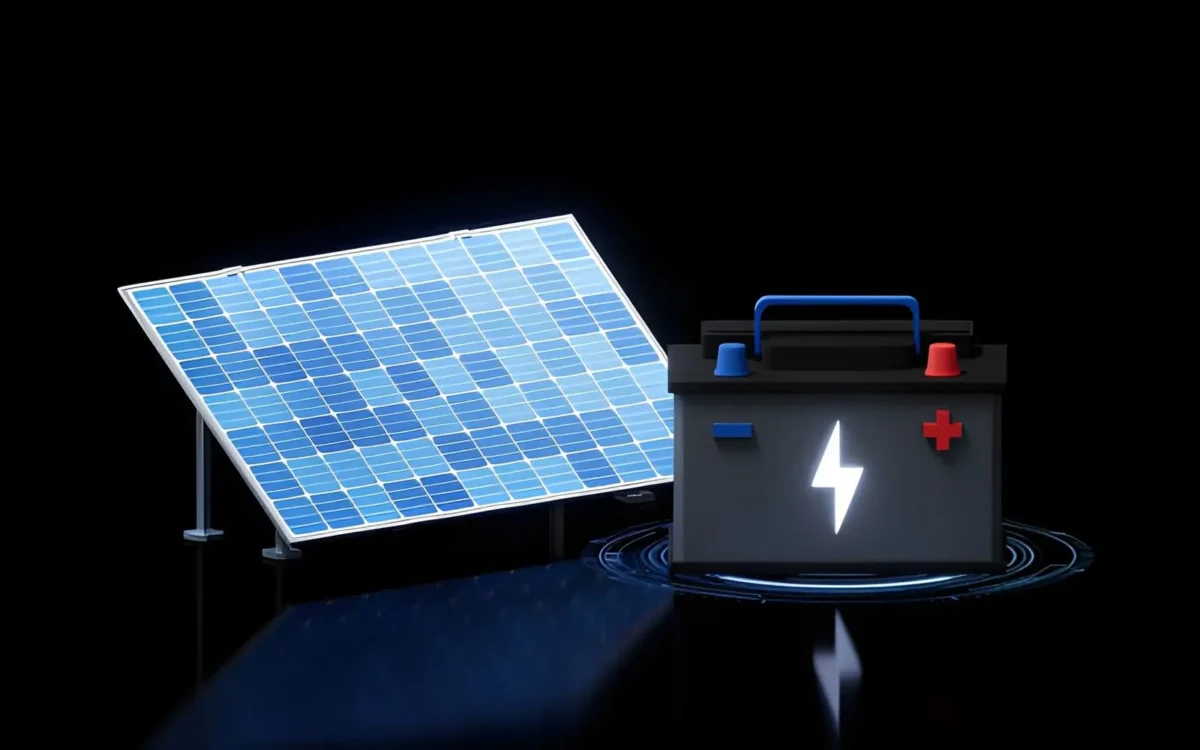

Solar batteries are a major investment in a solar power system, and depending on the size of the battery bank, energy storage can account for a large share of total system cost. Batteries are necessary for off-grid systems and can also improve energy independence, flexibility, and backup capability in grid-tied setups. Many solar batteries are designed to last well over a decade, but some fail earlier due to preventable issues. Understanding the most common causes of early solar battery failure can help protect system performance and long-term value.
Exceeding Depth of Discharge Rating
One of the leading causes of early battery failure is repeatedly discharging your batteries too deeply. Every battery has a recommended depth of discharge (DoD). This refers to how much of its stored energy should be used before you recharge it. DoD ratings can vary widely, with older lead-acid models typically being somewhere around 50%, and the latest lithium-ion batteries exceeding 90%. But regardless of what the DoD is, consistently draining your batteries beyond their limits will speed up degradation.
Deep discharge cycles place additional stress on battery cells and reduce the total number of charge cycles that your battery can deliver in its lifetime. Proper battery settings and using good energy management strategies can help prevent excessive discharge and extend your batteries’ life. Ultimately, it’s important to remember that getting a little extra power from your batteries right now isn’t worth having to replace your pricey battery bank sooner.
Overcharging the Battery
Just as discharging batteries too deeply causes damage, overcharging them can also shorten their lifespan. Overcharging occurs when a battery keeps getting current sent to it after it’s reached full capacity. Excessive charging generates heat, increases internal stress, and can damage the battery’s cells. Older battery designs, like flooded lead-acid batteries, are especially sensitive to overcharging, but newer lithium batteries can be damaged by it as well. A good battery management system is essential to helping prevent overcharging.
Extreme Temperatures
Temperature can have a big impact on your batteries’ performance and lifespan. Batteries have an optimal temperature to operate most efficiently, usually between 50 and 85 degrees Fahrenheit. Higher temperatures are the biggest danger to your batteries’ longevity. Excessive heat speeds up chemical reactions inside the battery, causing them to degrade faster and reducing their overall capacity. A battery installed in a poorly ventilated garage, shed, or equipment room can often have a shorter life than one in a temperature-controlled setting, purely because of the heat exposure.
While heat is the bigger risk, cold temperatures also impact performance. Lower temperatures reduce charging efficiency and will temporarily lower the battery’s available capacity. Of course, in these cases, the batteries do typically recover once temperatures rise again. However, repeated exposure to very cold temperatures can lead to long-term wear. It’s very important to install your battery bank in a temperature-controlled location to help protect the batteries from these kinds of environmental stressors.
Improper System Sizing
Battery failure sometimes starts before the batteries are even installed, due to a poor system design. A battery bank that is too small for your energy needs will likely experience excessive discharging and recharging. It’s important to remember that a battery’s true lifespan is not measured in years, but in charge/discharge cycles. If you install a battery bank that can’t hold up to your consumption, the batteries will experience excessive stress from being constantly drained and recharged. The battery bank will go through its charge/discharge cycles far more quickly than it should, and you’ll find them failing on you years earlier than you thought they would.
It’s important to work with solar professionals when installing a solar battery bank. They can help you to more accurately assess your needs and how you plan to use your battery bank so that you can ensure it’s properly sized to meet those needs without placing excessive strain on the batteries.
Not Meeting Maintenance Needs
Most lithium batteries made today require very little maintenance. However, that doesn’t mean you can ignore them entirely. It’s important to do routine checks so you can catch potential issues early on. These inspections are even more important for older battery chemistries like lead-acid, as they’re more prone to maintenance issues.
Look for things like corrosion on the battery terminals, loose connections, damaged cables, or any signs of declining battery performance in your monitoring app. All of these issues can worsen over time and lead to bigger problems if left unaddressed. Regular inspections can help identify minor problems before they lead to major damage.
If you are planning to install a solar battery bank or already have one in place, avoiding these common mistakes can help support stronger performance, longer battery life, and better long-term value from your system.
Also Read
- Innovative Technologies in Metalworking Equipment
- How Bookkeeping Services Enhance Business Planning
- Pendeja Meaning in English: Definition, Usage, Cultural Context, and Real-Life Examples







Leave a Comment