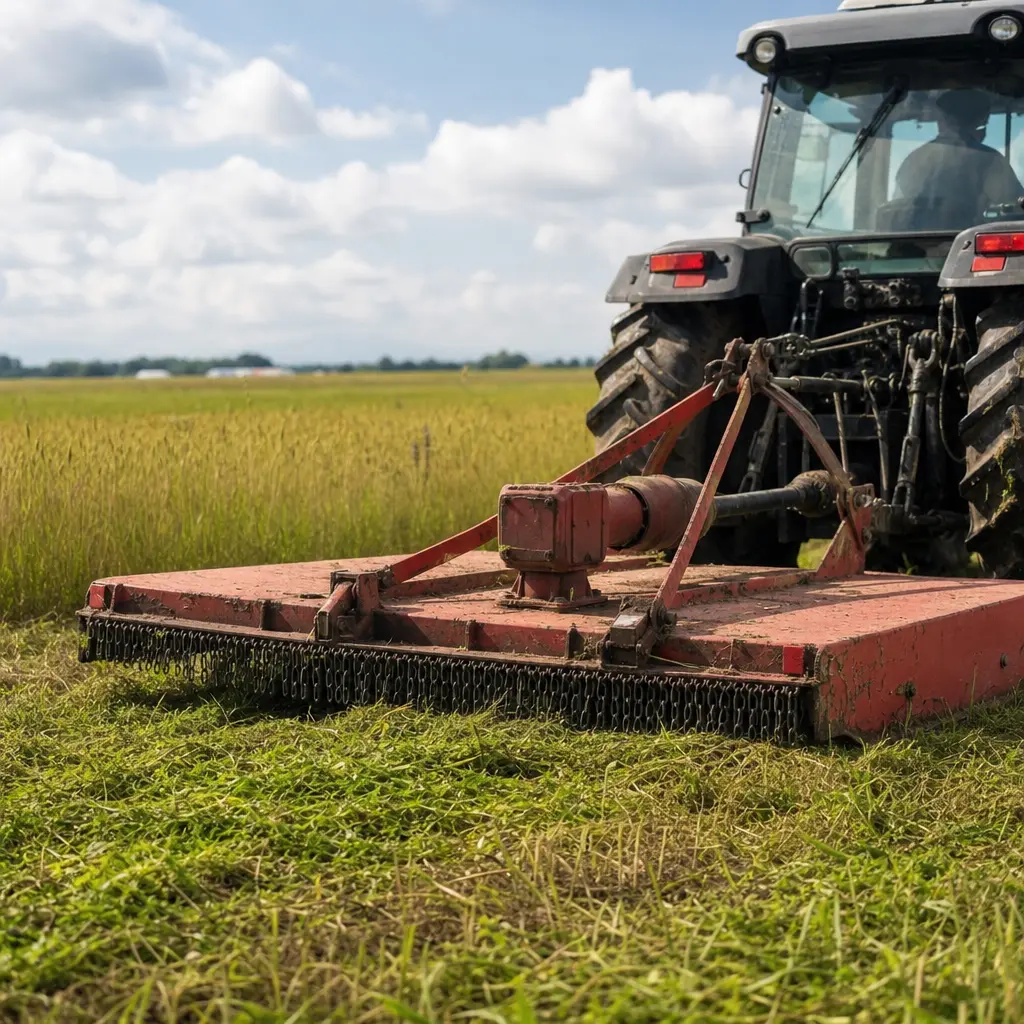

Managing overgrown pastures, roadside vegetation, and rough terrain is one of the most persistent challenges in modern farming. Whether you operate a small family homestead or a large commercial operation, keeping land clear and productive requires the right equipment — and that equipment needs to be both reliable and cost-effective. For generations, the bush hog has been the workhorse of land management, and today’s market offers more options than ever for farmers looking to stretch their investment dollars without sacrificing performance.
Understanding the Role of Bush Hogs in Modern Agriculture
A bush hog — technically a rotary cutter — is a heavy-duty mowing attachment designed to handle vegetation that standard lawn equipment simply cannot manage. Thick brush, saplings, tall weeds, and dense grass are no match for a properly maintained rotary cutter. These machines are towed behind a tractor and powered through the power take-off (PTO) shaft, making them compatible with a wide range of tractor models and horsepower ratings.
The applications are broad. Farmers use bush hogs to maintain fence lines, clear fields before planting, manage wildlife habitat, and keep drainage ditches free of obstructing vegetation. Ranchers rely on them to control invasive species and maintain grazing pastures. Even rural property owners use them to keep acreage looking clean and accessible. In short, few pieces of equipment offer the same versatility and return on investment as a quality rotary cutter.
Why the Right Equipment Choice Matters More Than Ever
With input costs rising across the agricultural sector — from fuel and fertilizer to labor and seed — farmers are under increasing pressure to make smarter purchasing decisions. Equipment is one of the largest capital expenditures on any farm, and the pressure to buy new is often driven more by marketing than by practical necessity. The reality is that a well-maintained used rotary cutter can perform just as effectively as a brand-new unit at a fraction of the cost.
This is where the used equipment market becomes a genuine strategic advantage. Experienced farmers understand that agricultural machinery, when properly cared for, has a long functional lifespan. A bush hog built with heavy-gauge steel and quality gearboxes can last decades with routine maintenance. Buying used allows operators to acquire proven equipment, often from reputable brands, without absorbing the steep depreciation that comes with purchasing new.
What to Look for When Buying a Used Rotary Cutter
Not all used equipment is created equal, and a careful inspection before purchase can mean the difference between a smart investment and an expensive headache. When evaluating a used bush hog, there are several key areas to examine closely.
Gearbox Condition and Blade Integrity
The gearbox is the heart of any rotary cutter. Check for oil leaks, unusual noise during operation, and signs of overheating. A compromised gearbox can be expensive to repair or replace, so this is a non-negotiable inspection point. Blades should be inspected for wear, cracks, and proper balance. Unbalanced or damaged blades not only reduce cutting efficiency but can also create dangerous operating conditions. Replacement blades are relatively affordable, so moderate blade wear is not necessarily a dealbreaker — but it should factor into your price negotiation.
Deck and Frame Structural Integrity
Examine the cutting deck for cracks, heavy rust, or weld repairs. Minor surface rust is common and manageable, but structural rust or significant cracks in the deck can compromise safety and longevity. Check the hitch and connection points for wear, and ensure the PTO shaft and slip clutch are in working order. A slip clutch that functions properly protects both the cutter and the tractor’s drivetrain from sudden impact damage — a feature that pays for itself many times over in the field.
Aligning Equipment Decisions with a Broader Farm Strategy
Smart equipment purchasing doesn’t happen in isolation — it’s part of a larger operational strategy. Farmers who work with agricultural consultants or advisors often make better long-term decisions because they’re thinking about equipment in the context of their overall land management goals, cash flow projections, and operational efficiency. Expert agricultural consultants can help farm operators assess which equipment investments will yield the greatest return based on their specific land type, crop rotation plans, and labor resources. This kind of strategic thinking transforms a simple equipment purchase into a calculated business decision.
For example, a farmer expanding into hay production may need a larger, more powerful rotary cutter to handle increased acreage efficiently. A beginning farmer with limited capital might prioritize a smaller, well-maintained used unit that handles current needs without overextending the budget. These are the kinds of nuanced decisions that benefit from professional guidance and a clear understanding of both short-term needs and long-term goals.
Conservation and Land Stewardship: A Growing Priority
Modern farming is increasingly shaped by a commitment to conservation and sustainable land management. Rotary cutters play a meaningful role in this effort — from managing cover crops and maintaining pollinator habitats to controlling invasive species that threaten native ecosystems. Farmers who prioritize conservation practices often find that proper land maintenance equipment is essential to meeting their stewardship goals. Stories of farmers continuing legacies through conservation highlight how thoughtful land management, supported by the right tools, can sustain both productivity and environmental health across generations.
HR Agri Power: A Trusted Source for Used Bush Hogs
For farmers and landowners searching for quality pre-owned rotary cutters, HR Agri Power has built a strong reputation as a reliable equipment source. Their inventory is regularly updated with a wide selection of used rotary cutters from trusted manufacturers, giving buyers access to well-maintained machines across a range of sizes and configurations. The platform is designed to make the search process straightforward, with detailed listings that help buyers make informed decisions without the pressure of a traditional dealership environment. Whether you’re outfitting a new operation or replacing aging equipment, their selection provides genuine value for buyers at every level.
Finding the Right Fit for Your Operation
If you’re actively searching for used bush hogs for sale, HR Agri Power’s browsable inventory allows you to filter by model, condition, and specifications to find equipment that matches your tractor’s horsepower and your land management requirements. This kind of targeted search capability saves time and ensures you’re comparing relevant options rather than sifting through unrelated listings.
Conclusion: Smart Buying Starts with the Right Information
The decision to purchase a used bush hog is, at its core, a practical one — driven by the need to manage land effectively while keeping operational costs under control. When approached with the right knowledge, a used rotary cutter can deliver years of reliable service and represent one of the best equipment investments a farmer or landowner can make. By understanding what to inspect, aligning purchases with broader farm strategy, and sourcing from reputable dealers, buyers can confidently navigate the used equipment market and come away with a machine that truly earns its place on the farm.
Land management is not a one-time task — it’s an ongoing commitment. Having dependable, well-suited equipment is what makes that commitment sustainable, season after season.
Also Read-Innovative Technologies in Metalworking Equipment







Leave a Comment