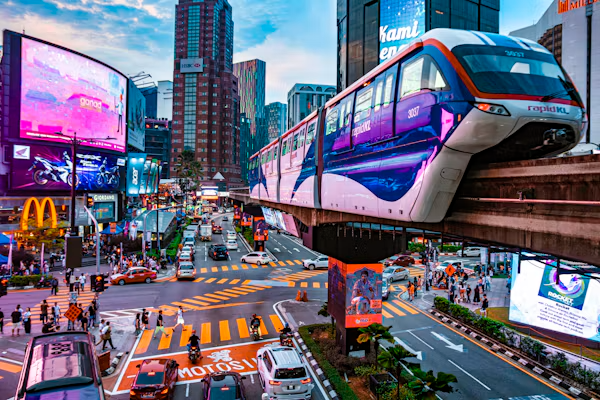

There’s something fascinating about the way people move around the world. A busy road in Accra, a packed train in London, or a highway stretching across the American desert might seem ordinary, yet each tells a story about how we live. Transportation has always been about getting from one place to another, but look a little closer, and it reveals much more. Our ambitions, priorities, habits, and even our frustrations are reflected in the journeys we make every day.
We Live in a World That Rarely Stands Still
Not so long ago, moving to another city was a major undertaking, often involving months of preparation and considerable uncertainty. Today, people regularly relocate for work, education, relationships, or simply the chance to experience something different. The world feels smaller, and our willingness to move has grown alongside it.
What’s particularly interesting is how entire industries have developed around this increasingly mobile lifestyle. Someone relocating across the United States, for example, can arrange to transport cars to Albuquerque without having to make the long drive themselves. It’s a relatively simple service, but it reflects something significant about modern expectations. We want the freedom to go wherever life takes us, preferably without the practical headaches that once came with such decisions.
Convenience Has Become a Way of Life
Think about the last time you waited longer than expected for a taxi or found yourself stuck in traffic. Chances are, the frustration wasn’t simply about being delayed. It was about losing time you had already mentally set aside for something else. Modern transportation has become closely connected to our desire for convenience, and technology has only raised those expectations. Ride-hailing apps, live traffic updates and digital ticketing have made journeys easier to organize, leaving us increasingly impatient when things don’t run smoothly.
There’s a curious contradiction here, though. Despite having more ways to travel than previous generations could have imagined, we often seem more conscious of every minute spent getting somewhere.
The Way We Travel Reflects Our Communities
Transportation also reveals the differences between communities. In some cities, public transport is woven into everyday life, bringing people from different backgrounds together in shared spaces. Elsewhere, private vehicles remain essential, shaping everything from housing developments to where businesses choose to operate.
These differences aren’t merely geographical. They influence access to employment, education and social opportunities. A reliable bus route can make an enormous difference to someone’s independence, while poor transport connections can leave entire communities feeling isolated. In that sense, transportation isn’t just about movement. It’s also about who gets the opportunity to move forward.
Our Changing Priorities Are Reshaping the Journey
Environmental concerns are adding another dimension to the conversation. Electric vehicles, improved public transport and cycling infrastructure reflect growing interest in making travel more sustainable. Yet convenience, affordability and environmental responsibility don’t always fit neatly together. People still need practical solutions that suit their circumstances, which makes the future of transportation as much a social challenge as a technological one.
Perhaps that’s what makes transportation such an interesting reflection of modern life. Behind every journey lies a decision about time, money, freedom or opportunity.
Read more: https://grammerway.com/daman-game-guide-to-features-and-functions/
https://grammerway.com/how-to-attach-a-shipping-label-without-covering-important-details/
https://grammerway.com/safe-driving-tips-for-seniors-staying-independent-and-secure-on-the-road/

Leave a Comment