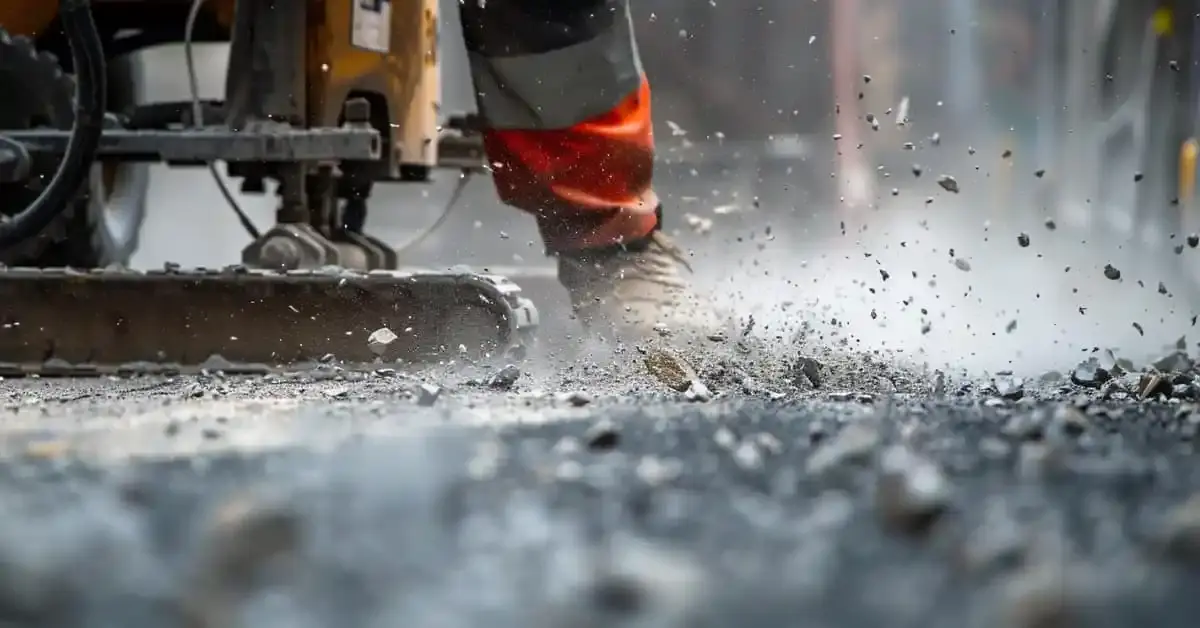

Industrial and manufacturing environments generate various airborne particles during daily operations. Among these particles, mineral dust exposure remains a major concern because prolonged exposure can affect workplace safety, employee health, and operational efficiency. Industries involved in mining, construction materials, stone processing, cement manufacturing, metal fabrication, and aggregate handling frequently encounter airborne mineral particles that require proper management.
Modern industrial facilities increasingly focus on reducing airborne contaminants through advanced dust collection systems and air purification technologies. Effective filtration solutions, including baghouse systems, cartridge collectors, and portable dust collectors, play an important role in minimizing airborne hazards and creating cleaner work environments.
This article explores the causes of mineral dust generation, mineral dust composition, health impacts, regulations, and practical methods industries use to reduce risks.
What Is Mineral Dust Exposure?
Mineral dust exposure occurs when workers inhale airborne particles generated from naturally occurring minerals or industrial processes involving stone, rock, ores, and earth-derived materials.
These dust particles can become suspended in the air during:
Drilling operations
Crushing and grinding
Material transportation
Excavation activities
Aggregate processing
Cement manufacturing
Mining operations
Metal processing
Sand handling
Stone cutting
Once released into the environment, fine particles can remain airborne for extended periods. Without effective filtration systems, workers may repeatedly inhale these contaminants throughout a workday.
Airborne mineral dust may vary significantly in particle size, chemical makeup, and toxicity.
Common industrial dust sources include:
Silica-containing materials
Coal particles
Cement dust
Limestone
Granite
Gypsum
Clay materials
Metallic mineral residues
Because dust characteristics vary by industry, understanding specific exposure risks becomes essential.
Mineral Dust Composition and Why It Matters
Understanding mineral dust composition helps industries determine the appropriate filtration and dust collection strategies.
Mineral dust is not a single substance. Instead, it is a mixture of various naturally occurring compounds and microscopic particles.
Typical mineral dust composition may include:
Common Mineral Components
Silicon dioxide (silica)
Aluminum oxides
Calcium compounds
Iron particles
Magnesium
Carbonates
Sulfates
Clay minerals
Particle composition differs based on material origin and industrial processing methods.
For example:
Mining operations often generate silica-rich dust.
Cement plants may release calcium and limestone particles.
Metal industries may produce mixed mineral and metallic particulate matter.
Particle size also influences risk levels. Fine particles can travel deeper into respiratory systems compared to larger particles that settle quickly.
Industries increasingly conduct dust sampling and analysis to understand specific workplace exposure patterns.
Understanding Rock Dust and Industrial Sources
The term rock dust generally refers to particulate matter generated from crushing, grinding, or handling geological materials.
Many industrial activities create substantial amounts of airborne rock particles.
Examples include:
Mining Activities
Mining operations generate dust during:
Blasting
Drilling
Ore transportation
Crushing
Material loading
Stone Processing Facilities
Stone fabrication plants frequently release particles while:
Cutting granite
Shaping stone
Polishing surfaces
Grinding materials
Aggregate Production
Facilities handling sand, gravel, and crushed materials can create large airborne dust concentrations.
Without proper containment systems, these particles may spread throughout production areas.
Rock Dust Mineral Content and Variations
Understanding rock dust mineral content helps industries evaluate potential exposure concerns.
Rock particles may contain:
Trace Elements
Iron
Calcium
Magnesium
Potassium
Manganese
Sulfur compounds
Silicate Materials
Silicate compounds are common in many geological formations.
Examples include:
Quartz
Feldspar
Mica
Clay minerals
The exact composition depends on rock origin and extraction location.
Different materials create different workplace hazards.
This variability explains why industrial facilities often perform laboratory analysis before implementing exposure control measures.
Trace Minerals Present in Airborne Dust
Industrial mineral particles frequently contain trace minerals that originate from geological materials.
Although present in smaller amounts, these substances may influence particle behavior and environmental impact.
Examples include:
Zinc
Copper
Nickel
Chromium
Molybdenum
Selenium
Trace mineral concentration can vary according to:
Geological conditions
Industrial processes
Material handling methods
Processing temperatures
Understanding these components supports better air-quality assessments.
Mineral Dust Air Pollution in Industrial Areas
Mineral dust air pollution can affect both indoor workplaces and surrounding environments.
Dust emissions become problematic when industrial processes continuously release fine particles into the atmosphere.
Potential sources include:
Material Transfer Operations
Conveyor systems and loading activities often create airborne dust.
Storage Facilities
Open stockpiles may release particles during:
Wind events
Material movement
Vehicle traffic
Manufacturing Processes
Industrial operations involving grinding or cutting frequently generate suspended particulate matter.
Airborne contamination may spread beyond immediate work areas if filtration systems are inadequate.
As industries scale production, dust control becomes increasingly important for operational efficiency and workplace safety.
Health Effects of Mineral Dusts
The health effects of mineral dusts depend on several factors:
Particle size
Exposure duration
Concentration levels
Dust composition
Existing health conditions
Repeated exposure can increase long-term risk.
Short-Term Effects
Workers may experience:
Eye irritation
Nose irritation
Coughing
Throat discomfort
Breathing difficulty
Skin irritation
Long-Term Effects
Extended exposure may contribute to:
Reduced lung function
Chronic respiratory problems
Persistent inflammation
Occupational lung conditions
Smaller particles often create greater concern because they penetrate deeper into respiratory systems.
Industrial workplaces therefore prioritize early intervention and dust reduction.
Effects of Mineral Dusts on Workplace Productivity
The effects of mineral dusts extend beyond health concerns.
Excessive dust accumulation can influence:
Equipment Performance
Dust may:
Clog machinery
Increase maintenance requirements
Reduce operational efficiency
Visibility Problems
High airborne concentrations can decrease visibility in production environments.
Product Contamination
Certain manufacturing operations require clean conditions to maintain product quality.
Dust contamination can affect:
Precision manufacturing
Packaging systems
Surface treatments
Material purity
For these reasons, many industries consider dust control a critical operational investment.
Mineral Dust Regulation and Workplace Compliance
Governments and workplace agencies establish mineral dust regulation guidelines to protect workers and maintain safe industrial conditions.
Regulations often include:
Exposure Monitoring Requirements
Facilities may need:
Air sampling
Particle analysis
Exposure assessments
Engineering Controls
Employers commonly implement:
Dust capture systems
Ventilation solutions
Local exhaust technologies
Personal Protective Measures
Workplaces may require:
Respirators
Protective clothing
Safety procedures
Record Keeping
Organizations frequently document:
Air-quality data
Monitoring reports
Maintenance schedules
Regulatory frameworks encourage industries to reduce exposure wherever possible.
Dust Collection Systems for Exposure Reduction
Modern filtration technology offers effective methods for controlling airborne particles.
Baghouse Dust Collection Systems
Baghouse collectors use fabric filter bags to capture dust from high-volume airflow systems.
Benefits include:
High filtration efficiency
Large dust handling capacity
Continuous industrial operation
Effective fine particle collection
These systems are commonly used in:
Cement facilities
Mining operations
Material processing plants
Cartridge Dust Collectors
Cartridge systems use pleated filter media to capture airborne contaminants.
Advantages include:
Compact design
Efficient fine-particle filtration
Reduced maintenance requirements
Space-saving installation
These systems often support:
Welding operations
Manufacturing environments
Powder handling facilities
Portable Dust Collectors
Portable systems provide flexibility in changing work environments.
They may assist temporary operations involving:
Surface grinding
Mobile processing stations
Construction activities
Maintenance projects
Portable solutions allow targeted dust control at specific locations.
Best Practices for Minimizing Mineral Dust Exposure
Reducing exposure usually requires multiple control strategies working together.
Recommended practices include:
Engineering Controls
Use:
Dust collection systems
Ventilation equipment
Air filtration technologies
Enclosures
Process Improvements
Reduce dust generation through:
Controlled material handling
Automated systems
Moisture application methods
Monitoring Programs
Regular workplace assessments help identify changing conditions.
Monitor:
Air quality
Particle concentration
System performance
Employee Training
Workers should understand:
Exposure risks
Equipment use
Safety procedures
Dust-control practices
Future Trends in Industrial Dust Management
Industries increasingly adopt smarter technologies to improve air quality.
Emerging solutions include:
Sensor-Based Monitoring
Real-time monitoring systems can detect airborne particle levels instantly.
Intelligent Filtration Systems
Advanced systems may automatically adjust airflow according to operating conditions.
Data-Driven Maintenance
Predictive monitoring can reduce downtime and improve filter efficiency.
These technologies may significantly improve workplace safety while lowering operating costs.
Conclusion
Industrial operations involving mining, material processing, manufacturing, and aggregate handling continue to face challenges associated with mineral dust exposure. Understanding mineral dust composition, evaluating rock dust mineral content, recognizing the health effects of mineral dusts, and following mineral dust regulation requirements all contribute to safer workplaces.
Because airborne particles vary in composition and concentration, industries increasingly rely on advanced dust collection technologies such as baghouse systems, cartridge collectors, and portable filtration units.
Combining effective engineering controls with ongoing monitoring and worker education helps reduce risks and support cleaner industrial environments. Long-term investment in dust management not only protects employees but also improves productivity and operational performance.
Also Read-How Storytelling Helps Businesses Build Trust







Leave a Comment