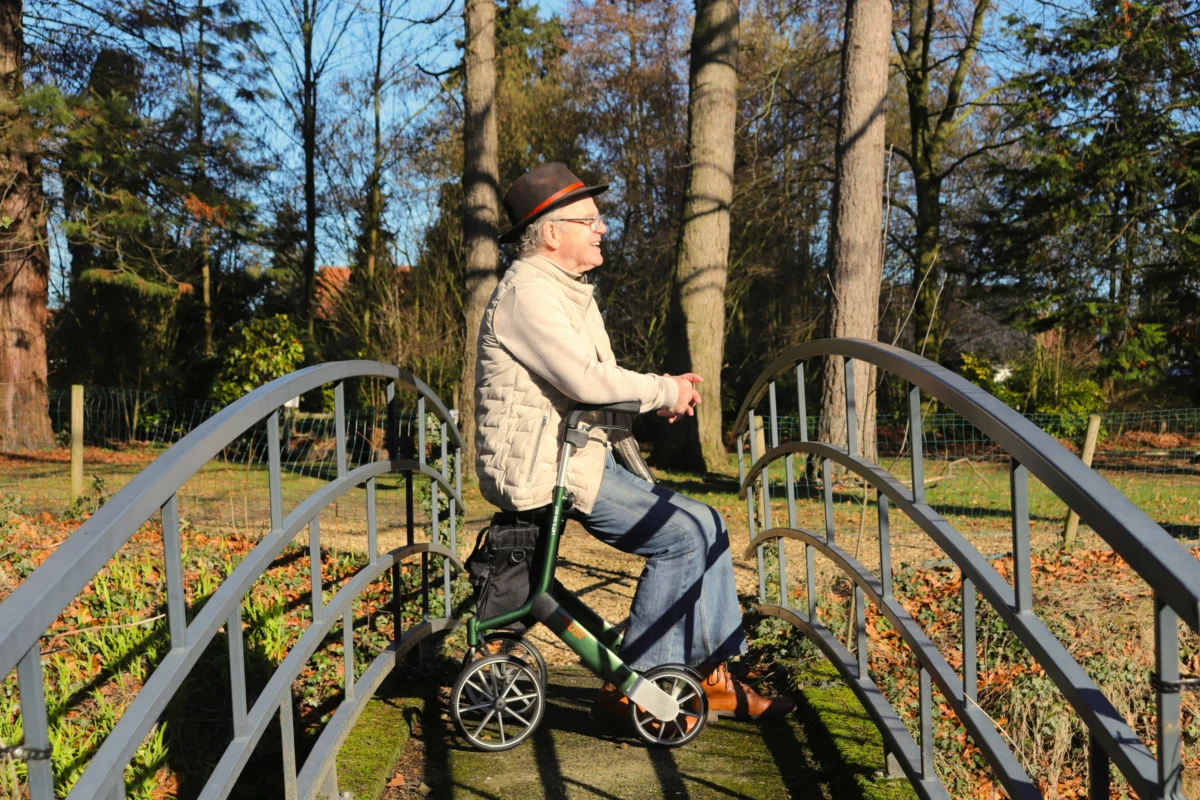

Choosing the right mobility walker is essential for individuals seeking improved balance, stability, and independence. Mobility walkers provide critical support for people with limited mobility, assisting in daily activities and enhancing overall quality of life. This article explores the features, types, and considerations when selecting the best mobility walker.
Investing in a suitable mobility walker requires an understanding of the various options available, along with the user’s specific needs. From lightweight designs to models with advanced support capabilities, the selection process can be complex without detailed guidance.
Understanding Mobility Walkers
Mobility walkers are assistive devices designed to provide additional stability during walking. They typically consist of a frame with four legs, sometimes equipped with wheels, and handles for gripping. These walkers distribute weight evenly and reduce the risk of falls, making them invaluable for elderly users or individuals recovering from injury.
There are several types of mobility walkers, each tailored to different needs. They range from standard walkers without wheels to rolling walkers with two or four wheels, and specialised models designed for indoor or outdoor use.
Types of Mobility Walkers
Standard Walkers
Standard walkers have no wheels and provide the most stable support. Users need to lift the walker slightly to move it forward, which requires upper body strength. These walkers are suitable for users who require maximal support and stability.
Rolling Walkers
Rolling walkers, also known as rollators, feature either two or four wheels. Four-wheeled models usually come with brakes and a seat, allowing users to rest when necessary. These walkers reduce the effort needed to move and are ideal for individuals who can control the walker while walking.
Specialised Walkers
Speciality mobility walkers include models adapted for narrow spaces, those suitable for outdoor terrain, and walkers designed for added ergonomic support. Some models also incorporate features such as storage compartments or foldable frames for easy transport.
Key Considerations When Choosing a Mobility Walker
User Needs and Physical Condition
Assessing the user’s physical condition is paramount. Factors such as balance capability, strength, and endurance influence the type of walker appropriate for use. A user with limited upper body strength may find a rolling walker more manageable, whereas someone requiring more support may benefit from a standard walker.
Weight and Portability
The weight of the walker affects its ease of use and transport. Lightweight walkers made from materials such as aluminium are easier to manoeuvre and can be folded for storage or travel. Users should consider the balance between sturdiness and portability.
Adjustability and Comfort
Walkers with adjustable handle heights promote better posture and comfort. Ergonomic grips reduce hand fatigue during prolonged use. Comfort features contribute significantly to user satisfaction and compliance with mobility assistance.
Safety Features
Safety is a primary concern when selecting a mobility walker. Features such as non-slip rubber tips, reliable braking systems on rolling walkers, and stable frames enhance user confidence and reduce accidents.
Intended Use Environment
Consider where the walker will be used most frequently. Indoor walkers with narrow frames suit tight spaces, while outdoor walkers with larger wheels handle uneven terrain better. Some users may require a walker adaptable to multiple environments.
Maintenance and Durability
Maintaining a mobility walker ensures its longevity and safety. Users should inspect the walker regularly for wear on wheels, brakes, and grips. Selecting durable materials and reputable brands also guarantees extended use without performance degradation.
Consultation with Healthcare Professionals
Engaging with healthcare professionals such as physiotherapists or occupational therapists can provide personalised advice on walker selection. These experts evaluate mobility challenges and suggest devices that best fit the user’s capabilities and lifestyle.
Conclusion
Choosing the best mobility walker requires comprehensive evaluation of individual needs, walker types, and safety considerations. Top Gun Mobility offers a wide range of high-quality mobility aids, ensuring users can find an option suited to their requirements. Proper selection enhances mobility, independence, and quality of life for individuals needing assistance with walking.
For more detailed information and to explore suitable mobility walkers, visit the Top Gun Mobility website where expert guidance and a broad product range are available to support users on their journey to improved mobility.
Read more: Essential Guide to Hot Water System Repair: Tips from Plumbwell Solutions
Travel in Style: How Personalised Travel Bag Tags Elevate Your Luggage
Vacuum Excavation Sydney: The Future of Safe and Efficient Digging

Leave a Comment