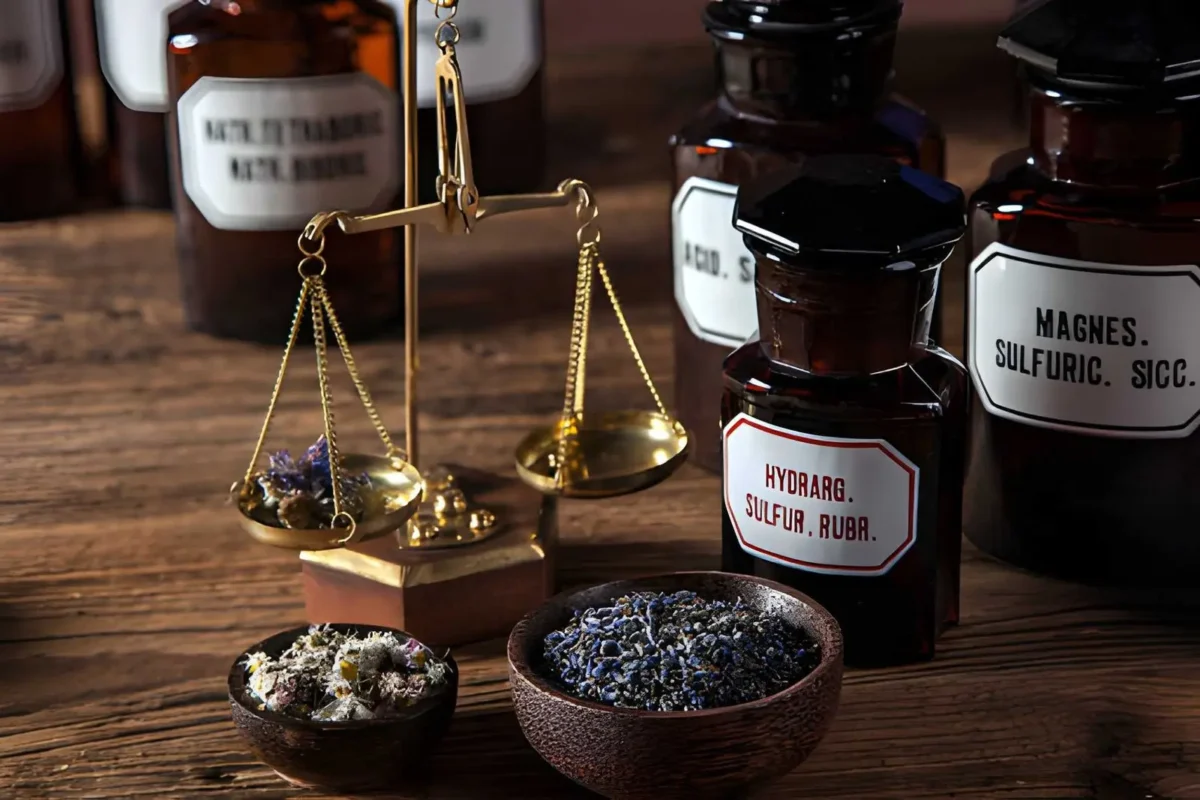

Working with herbs gives you more ways to customize formulations and refine the products you create for everyday use. When developing apothecary products, the herbs you select influence texture and appearance; they may also affect the way ingredients interact throughout the formulation process. Some herbs behave differently once blended with oils, bases, and additional ingredients used during production. Here are a few tips for incorporating herbs in apothecary products:
Choose Suitable Herbs
The herbs you select shape how your formulation performs from the earliest stages of production. Different varieties bring distinct textures, moisture levels, and physical properties; these affect how ingredients combine during mixing. Starting with herbs that align with your intended formula helps create better ingredient compatibility throughout the process.
Product type also influences which herbs work better in different formulations. Whole herbs often create visible texture in soaps and scrubs, and powdered herbs blend more evenly into balms, creams, and body products. Once you understand how herbs behave in different formulations, your production process becomes more consistent across batches. Your formulation goals also affect ingredient selection during product development; some herbs work better when creating exfoliating blends, such as ground oatmeal. Choosing ingredients based on how the final formula is structured helps maintain consistency while improving overall ingredient balance in your finished apothecary products.
Match Herbs
Once herbs are selected, pairing them with other ingredients shapes how the entire formulation develops during production. Essential oils, fragrance oils, and unscented bases all interact differently once herbal ingredients enter the blend. Product purpose also influences which ingredient combinations work better within specific formulations. Building consistency across multiple batches starts with stronger ingredient pairing early in production. The following combinations may help support balanced herbal formulations throughout product development.
- Essential Oils: Some herbal ingredients blend naturally with complementary essential oil profiles.
- Fragrance Oils: Fragrance selection influences how herbal formulations come together in finished products.
- Unscented Bases: Neutral product bases allow herbal ingredients to remain visually prominent after blending.
Test Herb Performance
Testing herbs in small batches allows you to observe how ingredients behave once blended into your chosen base formula. Some herbs gradually change color after exposure to oils, and others alter texture once the product begins curing or settling. Reviewing these formulation changes early helps identify stronger ingredient combinations before scaling production into larger batches. Repeating blends that perform consistently helps maintain better formulation stability throughout future production cycles.
Add Herbs
There is a timing component to how the herbs are distributed once they enter your formula. The addition of herbs early or late could alter the texture or even the distribution of herbs throughout the final batch. When blended at the correct time, herbs are more uniformly distributed in the product, and consistency is enhanced after processing.
The mixing method used in the manufacture of different product types varies. Mixing ground herbs throughout the entire batch helps distribute them evenly. When adding whole herbs to items like soap bars, you could add them to the exterior for a decorative effect. Analyzing product appearance prior to packaging helps you have greater consistency from batch to batch.
Display Herbs
After your formulation has started to take shape, ingredient pairing is a part of your overall product offering. If combining herbs, make sure they will look visually cohesive in the finished product. Seasonal product collections also benefit when ingredients follow a consistent visual direction and maintain a similar formulation structure. The style of packaging you choose helps present the herbs in the final product. To create continuity when putting together a collection of products, determine how you want the herbs to be displayed across the different apothecary items. Continuity enables the variety of products to appear more organized in storage, packaging, or during presentation in retail displays.
Improve Apothecary Products
Herbal ingredients directly shape how finished formulations perform once production moves from mixing to packaging and final preparation. The way herbs interact with oils, bases, and other ingredients affects the appearance and long-term stability of products throughout repeated batches. Working carefully when making apothecary products helps support better formulation consistency, and this helps improve ingredient integration across different product types. Visit an ingredient store today to explore materials that support your next apothecary products project.
Also Read-How Bookkeeping Services Enhance Business Planning







Leave a Comment