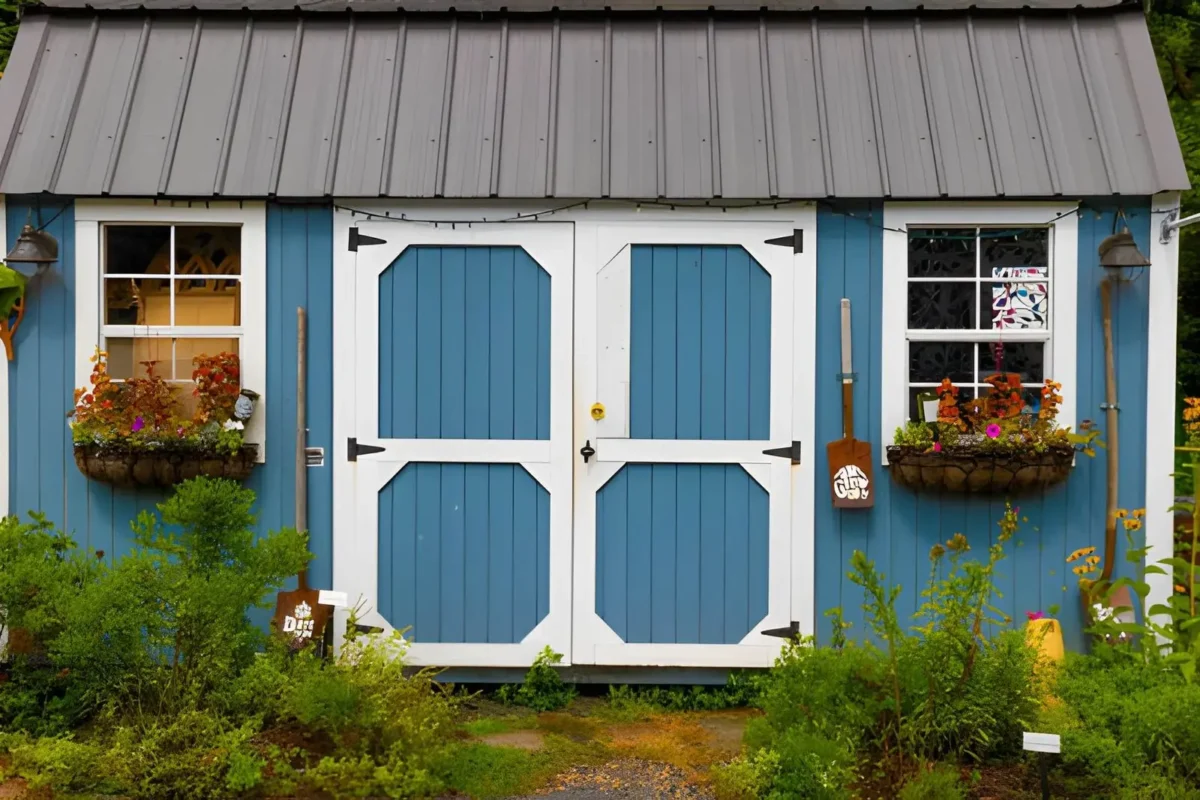

If you’ve ever stepped into a shed that technically has enough square footage—but still feels cramped—you’ve already discovered the real challenge of storage buildings: layout beats raw size.
That’s where side lofted barns stand out. Instead of relying only on floor space, this design uses the roofline to create lofted storage areas along the sides, giving you a practical way to separate “daily use” tools from “seasonal” items without stacking bins into unstable towers.
In this guide, we’ll break down what a side lofted barn is, why the layout is so effective, and how to plan doors, organization, and moisture control so the building stays functional (and easy to keep tidy) year after year.
What Is a Side Lofted Barn?
A side lofted barn is a barn-style shed designed with loft space running along the sides of the interior. The central area remains open for larger items and easy movement, while the side lofts provide elevated storage zones.
Think of it as a built-in storage system:
- Center floor = “big items + movement”
- Side lofts = “bins + seasonal gear + long-term storage”
This is different from a standard shed where everything has to live on the floor, or on wall shelves that can quickly eat up your usable space.
Why Side Lofts Are So Useful (Even in a Modest Footprint)
A common frustration with basic sheds is that you end up with two bad options:
- Store everything on the floor (cluttered, hard to navigate), or
- Add shelving everywhere (reduces floor space, creates awkward corners)
Side lofts help you avoid both.
Benefit 1: You keep the floor clear
With loft storage available, the shed’s main floor can stay dedicated to:
- lawn equipment
- a wheelbarrow
- a mower
- a workbench area
- larger tool storage
- a clean walking path
That “clear path” is what makes a shed feel easy to use instead of stressful.
Benefit 2: Seasonal items have a designated home
Seasonal items are the perfect loft candidates:
- holiday décor
- camping gear
- pool accessories
- seasonal chairs and cushions (protected in bags/bins)
- kids’ outdoor toys that rotate
When seasonal items live overhead in labeled bins, you’re not constantly shifting them around to find what you need.
Benefit 3: Organization is simpler to maintain
Storage systems fail when they’re too complicated. Side lofted barns offer a natural structure that encourages habits:
- floor = daily use
- loft = occasional use
- “no random piles” becomes the default
Choosing the Right Size: Design From “What Lives Here” First
Before you decide on a size, list what you’ll store and divide it into frequency:
Daily/weekly items (floor-level)
- mower, trimmer, blower
- hand tools
- fertilizer/soil (stored safely and dry)
- ladders
- frequently used power tools
- hoses and watering gear
Monthly/seasonal items (loft-level)
- holiday bins
- camping bins
- seasonal décor
- spare tarps, folding tables, extra chairs
A simple sizing mindset:
- If you need to store equipment and keep it accessible, prioritize floor space.
- If your main problem is “bin chaos,” side loft space can solve it efficiently.
And remember: the goal isn’t maximum storage—it’s retrievable storage.
Door and Access Planning: Don’t Let a Great Layout Get Ruined
Even the best interior layout can feel useless if access is tight.
Double doors vs. single doors
If you plan to store anything bulky or wheeled (mower, ATV, large bins), wider access reduces daily hassle and prevents damage to frames and trim.
Placement matters
Place doors so you can naturally create zones:
- an “equipment zone” near the entrance
- a “tool wall” along one side
- loft bins labeled and grouped above
If you’re frequently moving heavy items, consider whether a ramp/threshold option improves safety and ease.
Loft Storage Best Practices (So It Doesn’t Become a Junk Shelf)
Side lofts are only as good as the system you use to store items there.
Use sealed, labeled bins
Lofts are ideal for bins, but avoid cardboard long-term—especially in humid regions. Plastic lidded totes protect contents and stack more safely.
Label for retrieval:
- “Holiday: lights”
- “Camping: cook kit”
- “Pool: toys”
- “Fall décor”
- “Storm prep supplies”
Store by season or category
Choose one method and stick to it:
- Left loft = spring/summer
- Right loft = fall/winter
(or) - One side = household décor
- One side = outdoor lifestyle gear
The key is consistency.
Keep heavy items off the loft
Lofts are best for lighter, bulkier items. Heavy tools and equipment belong on the floor or on robust shelving designed for load.
Lighting and Power: The Small Upgrade That Changes Everything
A shed is much easier to keep organized when you can actually see what’s happening.
Consider:
- bright overhead lighting for the main floor
- a secondary light near the entrance
- optional task lighting if you’ll use a workbench
- outlets for battery chargers, shop vac, or small equipment
Even basic lighting turns the shed from “storage” into “usable space,” which encourages you to put things back properly.
Moisture and Ventilation: Protect Tools, Bins, and Everything You Store
Moisture is one of the most common issues in any shed, and loft storage doesn’t change that—you still need a plan.
Start with the site
- avoid low areas that collect water
- ensure the ground slopes away from the building
- consider a base that supports drainage
Keep airflow in mind
Ventilation helps reduce trapped humidity and that “closed shed” smell.
Store smarter
- use sealed bins for fabric, paper, and electronics
- elevate sensitive items on shelving rather than directly on the floor
- avoid pushing bins tight against exterior walls if you notice dampness
Your storage habits are part of your moisture strategy.
A Simple Interior Layout Template That Works
Here’s a practical “default” layout that works for many side lofted barn owners:
- Entry zone: open floor + hooks for quick-grab items
- Tool wall: one long wall with pegboard/rails + a shelf run
- Equipment zone: mower/wheelbarrow stored with clear exit path
- Lofts: sealed bins only, labeled and grouped by category/season
- Back corner: long-item storage (rakes, ladders, handled tools)
The consistent theme: keep the center open.
Common Mistakes to Avoid
Mistake 1: Treating the loft like “miscellaneous”
Side lofts should be the most organized part of the shed. If it becomes a random pile zone, you lose the layout advantage.
Mistake 2: Storing things overhead that you use every week
If you’re pulling something down constantly, it belongs at floor level. The loft is for occasional-use items.
Mistake 3: Ignoring access and lighting
A dark shed with narrow access doesn’t get used well—so it doesn’t stay organized.
Mistake 4: Relying on cardboard storage
Cardboard + humidity + time is a bad combo. Use sealed bins if you care about what’s inside.
A Quick Reference for Side Lofted Barn Features
If you’re comparing configurations or trying to visualize how side loft layouts work in real builds, this overview of a side lofted barn is a helpful reference point for common options and design variations.
Final Takeaway: Layout Is the Upgrade
Side lofted barns aren’t just “more storage.” They’re better storage—because they give you a built-in way to separate daily tools from seasonal bins while preserving a clean, open floor plan.
If you:
- plan the door setup around how you’ll move items,
- use labeled, sealed bins in the lofts,
- create one dedicated tool wall,
- and keep moisture control in mind,
…you end up with a shed that stays organized without constant effort. And that’s what makes a side lofted barn a smarter layout, not just a different shape.
Also Read
- How Storytelling Helps Businesses Build Trust
- Pendeja Meaning in English: Definition, Usage, Cultural Context, and Real-Life Examples
- Why Working with Realtors in Meridian Makes All the Difference in Today’s Market







Leave a Comment