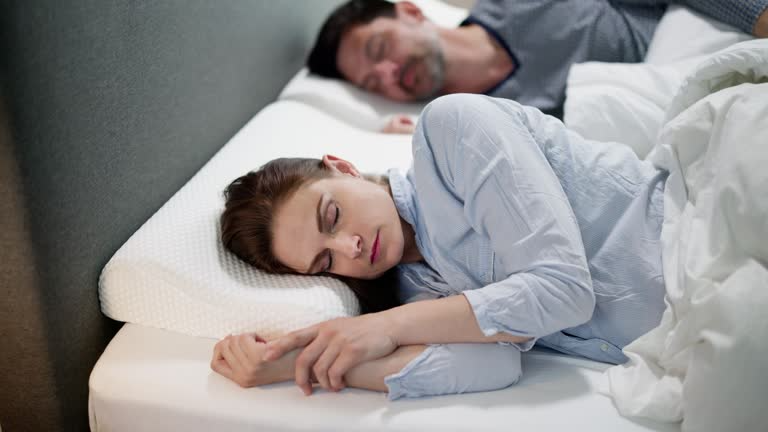

Better sleep is becoming less about simply spending eight hours in bed and more about making those hours genuinely restorative. The current approach combines old-fashioned fundamentals, such as consistent schedules and dark bedrooms, with newer tools designed to make winding down easier and help people understand their own sleep patterns.
Not every trend deserves a place on the nightstand. Still, several popular strategies make practical sense because they address the conditions that influence when people become sleepy, how easily they stay asleep and how refreshed they feel the following morning.
Morning Light Gets Priority
One of the simplest sleep trends actually starts shortly after waking. Getting natural light in the morning helps reinforce the body’s circadian rhythm, the internal timing system involved in regulating periods of alertness and sleepiness. Morning light can be particularly useful for people who spend much of the day indoors.
At night, the strategy reverses. Bright light close to bedtime, particularly from screens and intense indoor lighting, can interfere with the natural signals associated with preparing for sleep. Some people are responding by dimming household lights earlier, switching phones to less stimulating settings and moving television or scrolling time farther away from bedtime.
This does not require turning the house into a cave at 7 p.m. The idea is to create a clearer contrast between an active, bright daytime environment and a darker, calmer evening one.
Bedtime Rituals Get an Upgrade
The increasingly elaborate wind-down routine is replacing the abrupt leap from emails and television directly into bed. Warm showers, reading, gentle stretching and relaxing music can provide a predictable buffer between daytime activity and sleep.
Supplements and drink mixes have also become part of the conversation. A sleep powder with ingredients like magnesium, L-theanine, ashwagandha, chamomile and lavender, will help you unwind your mind and ease the transition from day to night. Individual ingredients have been shown to have different levels of supporting evidence, and supplements can be impressively beneficial. The ritual itself can also be valuable since you’re relaxing drinking a delicious cup of sleep inducing nutrients. Repeating relaxing activities at roughly the same time can help create a recognizable transition toward bed.
Consistency Beats Weekend Catch-Up
Regular nighttime sleep habits are gaining attention as people realize that bedtime can matter alongside total sleep duration. Going to bed and waking at dramatically different times throughout the week can make it harder to maintain a stable sleep-wake schedule.
That makes the weekend sleep marathon less appealing as a long-term strategy. Extra sleep may feel wonderful after a rough week, but repeatedly running short on sleep and attempting to compensate later does not create an ideal routine.
A more realistic approach is to establish a wake time that works most days and build bedtime backward from there. The schedule does not need to be exact to the minute. It should simply be consistent enough that sleep does not feel like changing time zones every Monday morning.
Bedrooms Are Getting Cooler
Temperature has become a bigger part of sleep optimization, with cooling mattresses, breathable bedding, smart thermostats and fans all marketed to people who wake up overheated. There is a sensible principle underneath the gadget boom: A bedroom that is uncomfortably hot can make good sleep harder.
Bedding can be adjusted before investing in expensive technology. Heavy comforters, foam toppers and synthetic sleepwear may feel warmer than lighter alternatives. Couples who have very different temperature preferences can also use separate blankets instead of forcing one person to spend the night freezing or roasting.
Light and noise deserve similar attention. Blackout curtains, eye masks, earplugs and white-noise machines can help when the surrounding environment is difficult to control.
Sleep Tracking Gets Smarter
Wearable devices and smart rings have turned sleep into a nightly stream of data, offering estimates for sleep duration, overnight heart rate and different sleep stages. These devices can be useful for identifying patterns, particularly when the information is viewed across weeks rather than treated as a nightly report card.
Consumer trackers are not the same as clinical sleep testing, however, and their estimates should not become another reason to lie awake worrying. Feeling rested and functioning well during the day still matters.
The most useful sleep trends tend to share a common theme: They make the transition between day and night more predictable. Morning light, a consistent schedule, a comfortable bedroom and a deliberate wind-down routine may not be as exciting as the newest sleep gadget, but they provide a practical foundation for getting rest that actually feels restorative.
Read more: https://grammerway.com/how-do-business-gas-cards-simplify-expense-reporting/
https://grammerway.com/how-to-transform-your-backyard-into-a-stunning-outdoor-living-space/
https://grammerway.com/unlocking-the-potential-of-self-adhesive-vinyl-creative-uses-and-benefits/

Leave a Comment