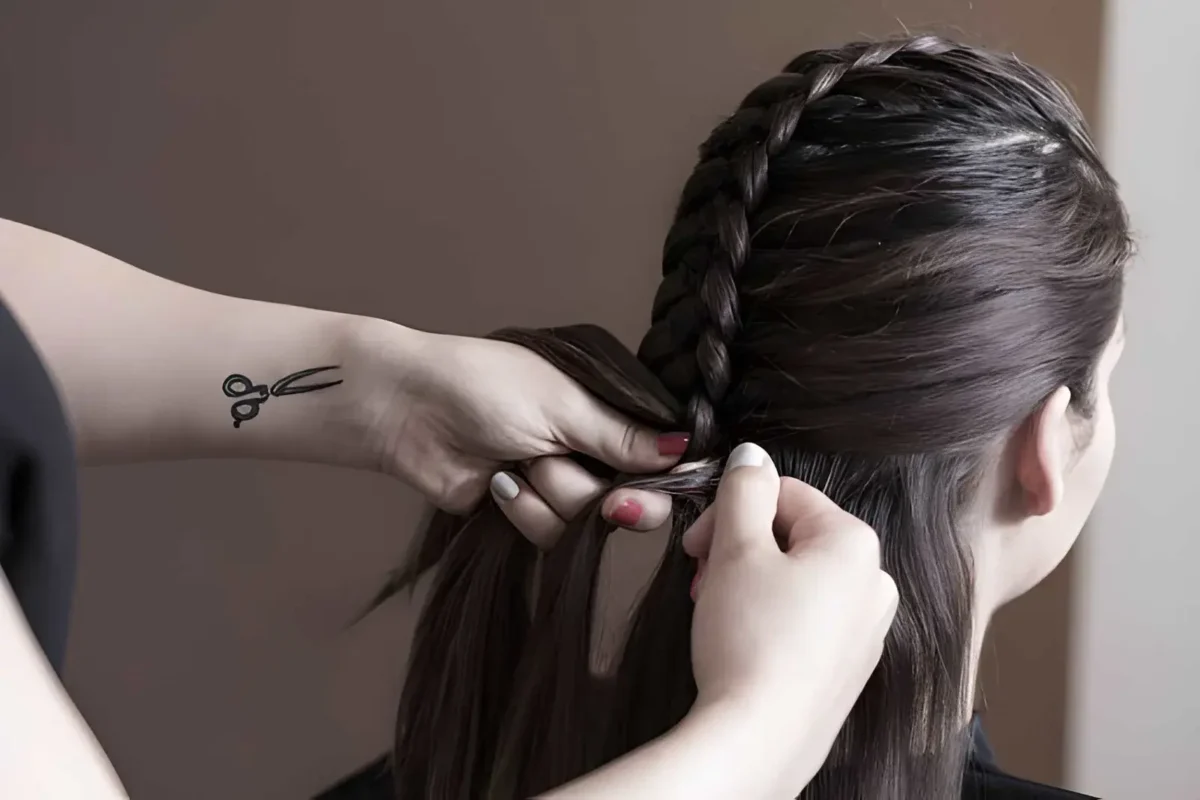

Hair damage accumulates through hot tools, chemical processing, tight styling, sun exposure and the ordinary friction of brushing, sleeping and getting dressed. The result may be ends that split faster than they can be trimmed, lengths that feel rough despite conditioning, or hair that seems to have lost its former shine. The good news is that damaged hair does not require an elaborate 12-step routine. A more considered approach focuses on protecting vulnerable strands, choosing treatments for the type of damage at hand and knowing when another product is less useful than a haircut.
Treat Breakage Before Styling
Breakage often announces itself through shorter pieces around the hairline, ends that look increasingly sparse or strands that snap during brushing. Because hair that has already emerged from the follicle cannot biologically heal itself, cosmetic repair is largely about reinforcing and protecting the fiber so it looks and behaves better while preventing additional damage.
This is where hair repair products for breakage, like masks, elixirs you leave in overnight and glosses that boost shine and reduce frizz can earn their place on the bathroom shelf. Rich masks can improve softness and manageability, while leave-in treatments help reduce friction during brushing and styling. Glossing treatments can smooth the outer surface of the hair, making rough or porous lengths appear noticeably sleeker.
The mistake is assuming that more treatment always means healthier-looking hair. Fine strands can become limp under layers of heavy conditioning products, while very dry, coarse or chemically treated hair may tolerate richer formulas. Texture, porosity and styling habits should determine the routine rather than whatever product happens to be trending.
Rethink Your Heat Routine
Heat styling becomes far less punishing when temperature is treated as a variable rather than a default setting. A flat iron does not necessarily need to be turned to its maximum temperature, particularly on fine, bleached or already fragile hair. The same principle applies to curling irons and blow-dryers.
A heat protectant should be distributed throughout the areas that will actually encounter heat, not misted vaguely over the top layer. Hair should also be fully dry before using most traditional flat irons or curling tools. Passing extremely hot tools repeatedly over the same piece can compound damage, so good technique often matters as much as the products surrounding it.
Even small changes can preserve the look of the hair between styling sessions. Lower temperatures, fewer passes and occasional heat-free days reduce unnecessary stress without requiring anyone to abandon a polished blowout forever.
Handle Wet Hair Differently
Wet hair deserves more care because water changes its physical properties, and aggressive handling can encourage stretching and breakage. Instead of vigorously rubbing freshly washed hair with a towel, gently squeezing out excess water reduces friction and tangling.
Detangling technique matters, too. Working gradually from the ends upward is generally kinder than dragging a brush from roots to tips through stubborn knots. A wide-tooth comb or detangling brush can make the process easier, particularly when paired with a conditioner or leave-in product that provides slip.
What happens overnight counts as well. Going to bed with soaking-wet hair can mean hours of damp strands moving against a pillow. Giving hair time to dry before sleep and choosing loose styles rather than tight elastics can help limit mechanical stress.
Think Beyond the Lengths
Healthy-looking hair is not solely a story about what happens from the ears down. Paying attention to scalp health means considering buildup, cleansing habits and whether styling products are repeatedly being deposited near the roots.
There is no universal washing schedule that suits everyone. Someone with an oily root area and fine hair may prefer frequent cleansing, while curly or coarser textures may feel and look better with a different rhythm. The useful question is whether cleansing removes excess oil, sweat and product without leaving the skin uncomfortable or the lengths needlessly stripped.
This is also an area where restraint helps. Scrubbing aggressively with fingernails or layering multiple treatments without a clear reason can create more irritation rather than better results. A straightforward cleansing routine is often more useful than turning wash day into a chemistry experiment.
Know When to Cut
Split ends cannot be permanently fused back into pristine hair, no matter how convincing a serum looks immediately after application. Products can temporarily smooth fraying and improve appearance, but trimming remains the definitive way to remove severely split or compromised ends.
That does not necessarily mean sacrificing inches. Regular, conservative trims can keep damage from making the bottom of the hair appear thin and ragged. For anyone growing out bleach, recovering from excessive heat styling or simply trying to retain length, removing a smaller amount before the ends deteriorate further can be the more strategic choice.
Beautiful hair in 2026 is less about chasing a mythical state of perfection and more about preserving what is already there. Treat it according to its actual condition, protect it from avoidable damage and accept the occasional trim. Sometimes the smartest beauty treatment is simply knowing when to stop doing quite so much.
Also Read
- https://grammerway.com/how-do-business-gas-cards-simplify-expense-reporting/
https://grammerway.com/what-to-expect-at-your-first-dental-visit-with-a-new-dentist/
https://grammerway.com/is-it-staff-augmentation-still-worth-it-now-that-ai-writes-code/


Leave a Comment