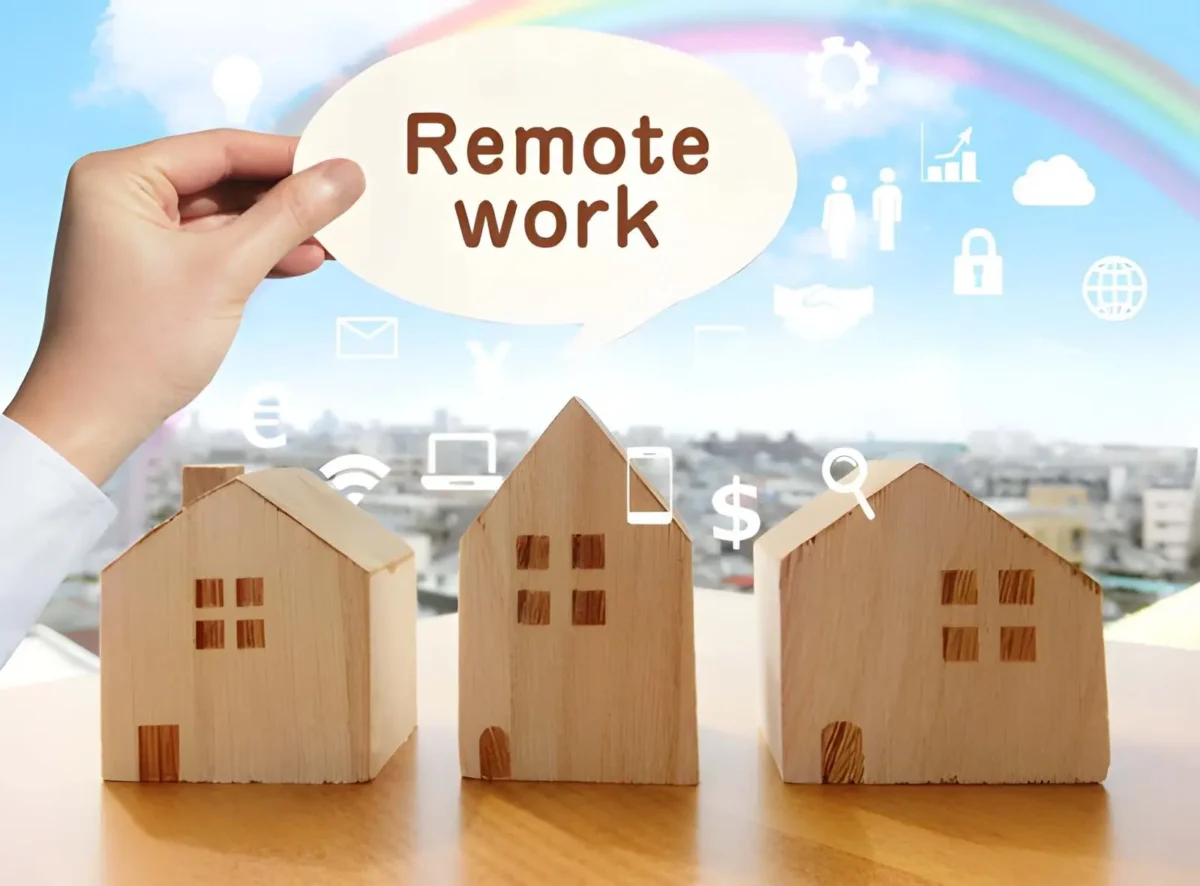

Changing Housing Preferences
The rapid adoption of remote work has been a catalyst for significant changes in where and how people choose to live. Without the daily need to commute, individuals and families are placing greater emphasis on living environments that support both productivity and personal well-being. Homes with ample space, separate work areas, and outdoor areas are now highly desirable. As these priorities have shifted, more people are turning to resources like Investor Home Buyers to explore a broader range of housing options. Remote work has opened the door for many to reconsider urban living altogether. Instead of prioritizing proximity to city centers, people are seeking environments that offer comfort, flexibility, and value. This marks a cultural shift in which a home’s suitability for daily life and work matters just as much as its location. Many buyers now expect properties to offer reliable internet access, room for home offices, and access to parks or green spaces.
The shift in preferences is pronounced across different demographics. Younger professionals are increasingly choosing to rent or purchase homes in areas that previously may have been considered out of reach due to commuting constraints. Families are also seeking locations with larger lots and access to quality schools, further driving migration away from dense urban environments. As a result, real estate agents and investors are adapting to these trends by focusing on properties that meet these evolving needs. For in-depth insights and options, platforms like those at https://www.investorhomebuyers.com/ have become vital resources for both buyers and sellers navigating this new landscape.
Impact on Urban Real Estate
City living, once largely driven by the need to be close to jobs and amenities, is undergoing a quiet transformation. The decreased need for daily commuting has softened demand in urban residential markets. Condominiums and apartments in city cores are seeing longer listing periods, and some sellers have had to adjust prices to attract new buyers. This trend has created opportunities for renters and buyers who desire an urban lifestyle but previously found pricing prohibitive.
Beyond residential changes, local businesses, especially those reliant on a steady influx of office workers, are also feeling the impact. Cafes, dry cleaners, and restaurants that once catered to nine-to-five professionals are adjusting their business models or pivoting to serve full-time residents and weekend crowds. These shifts underline the complex relationship between work patterns and urban economies. For more on this, Pro Builder provides an analysis of how urban economies are adjusting to this remote work revolution.
Suburban and Rural Market Boom
The most notable beneficiaries of the work-from-home shift have often been suburban and rural communities. Real estate in these areas is now in high demand as people seek larger spaces, lower costs, and greater tranquility. Towns that were previously considered remote or secondary are experiencing unprecedented growth. This trend has created competitive markets, where homes in suburban neighborhoods and rural towns sell quickly and sometimes above the listing price. Local governments and developers in these areas are responding to increased demand for modern conveniences, expanded internet connectivity, and amenities that appeal to former city dwellers. New housing developments are blending traditional charm with modern infrastructure to meet the expectations of a growing, diverse population relocating from urban to suburban or rural areas.
Economic Implications for Local Communities
The population shifts tied to remote work have impacted local economies. Areas receiving an influx of remote workers benefit from increased economic activity, fueling demand for local services such as schools, healthcare, home improvement, and retail. Property values in these growing areas often rise, boosting municipal revenues and homeowners’ wealth. However, these gains come with challenges. Local governments must invest in expanding and upgrading infrastructure, including roads, broadband, public utilities, and other resources to accommodate new residents. For some communities, the pace of growth strains resources and makes it difficult to maintain the character and livability that attracted new residents in the first place. It is an ongoing challenge for policymakers and planners to balance growth with sustainable development that preserves quality of life and economic opportunity.
Challenges in the Commercial Real Estate Sector
While residential real estate adapts to remote work, the commercial real estate sector faces a different set of hurdles. Many companies have reduced their physical footprint or adopted hybrid work models, leading to increased office vacancy rates. Investors and landlords are rethinking the traditional office, considering options such as flexible leases, coworking spaces, or repurposing outdated properties for residential or mixed-use. The full financial impact is still unfolding, with some markets faring better than others based on local job recovery and the ability to attract new tenants. This sector’s transformation is pushing developers and city planners to find innovative uses for underutilized office properties. Adaptive reuse projects, such as converting offices into apartments or introducing lifestyle amenities, reflect a broader reimagining of the built environment for a post-pandemic world.
Future Outlook and Adaptations
The future of real estate will be shaped by how consistently remote work strategies remain a permanent fixture. Developers anticipate continued demand for flexible housing that supports at-home work. Communities that proactively expand infrastructure and amenities stand to benefit most from these changes, while areas unable to adapt risk losing residents and economic momentum. New technologies and planning philosophies are emerging to support these shifts, including smart home features, green spaces, walkable neighborhoods, and robust broadband networks. Both individuals and industries that keep pace with these trends will be well-positioned for the evolving real estate landscape, securing long-term value and stability in a changing world.
Conclusion
Remote work has fundamentally reshaped the real estate landscape, influencing where people choose to live and how communities develop. As housing preferences shift toward larger homes, suburban neighborhoods, and rural areas, urban markets are adjusting to reduced demand for traditional city living and changing commercial space needs. These trends are creating both opportunities and challenges for local economies, with some regions experiencing rapid growth while others face slowing activity and higher vacancy rates. The commercial real estate sector is also evolving, with increasing focus on flexible spaces and adaptive reuse of office buildings. Looking ahead, the future of real estate will continue to be shaped by flexibility, connectivity, and lifestyle-driven decisions. Communities and developers that adapt to these changes will be better positioned for long-term growth. At the same time, buyers and investors can benefit by staying informed and responsive to emerging housing and economic trends.
Also Read
- Innovative Technologies in Metalworking Equipment
- Sales Prospecting Terms Every Business Person Should Know
- The Professional Caregiving Solutions are Designed to Improve Quality of Life







Leave a Comment