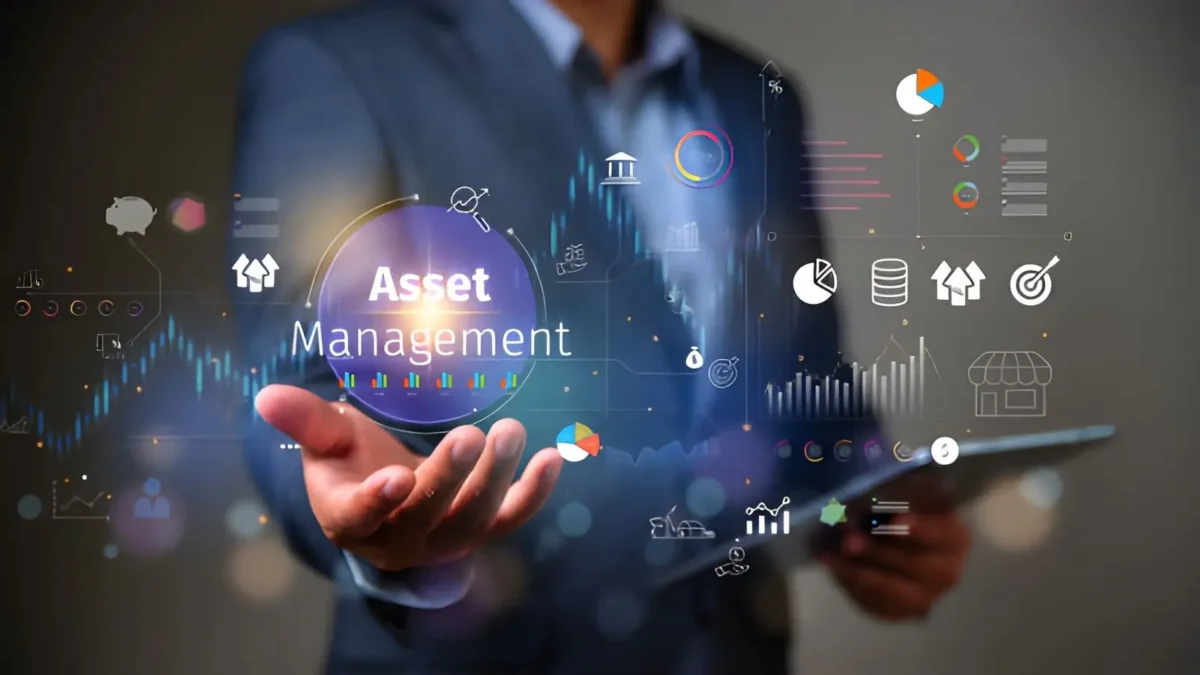

Managing business assets has become far more complex than it was a decade ago. Organizations are responsible for maintaining equipment, monitoring performance, controlling maintenance costs, and ensuring uninterrupted operations across multiple locations. As these responsibilities continue to grow, many businesses are adopting asset management ERP software to create greater visibility and improve operational efficiency.
Digital transformation is changing how organizations manage valuable resources. Instead of reacting to equipment failures or relying on manual records, businesses are building connected systems that provide accurate information, support informed decisions, and improve long-term planning.
Building A Strong Operational Foundation
Every successful organization depends on assets that perform reliably every day. Whether they include machinery, vehicles, production equipment, or critical infrastructure, these assets directly influence productivity and profitability.
When organizations lack structured asset management processes, maintenance schedules become inconsistent, operating costs increase, and unexpected downtime becomes more common. Establishing a strong operational foundation begins with creating centralized control over every asset throughout its lifecycle.
Connected digital systems allow businesses to maintain accurate records while improving planning and reducing unnecessary operational risks.
Improving Visibility Across Operations
Visibility plays a significant role in effective asset management. Without clear information, organizations often struggle to understand equipment conditions, maintenance history, or utilization levels.
Modern digital platforms, including asset management ERP software, collect information from different departments and organize it into a single environment where decision-makers can quickly review performance and identify potential issues.
This level of transparency supports faster planning while reducing the uncertainty that often accompanies manual asset tracking.
Supporting Preventive Maintenance
Maintenance is no longer simply about repairing equipment after failure. Businesses increasingly recognize that preventive maintenance reduces disruption while extending the useful life of valuable assets.
Scheduled servicing based on operational data allows organizations to identify wear before it develops into larger mechanical failures.
This proactive approach minimizes emergency repairs, improves workplace safety, and supports uninterrupted production schedules throughout the year.
Creating Better Financial Control
Assets represent significant business investments. Managing those investments effectively requires accurate financial oversight throughout acquisition, operation, maintenance, and replacement.
Integrated digital systems connect maintenance activities with financial records, allowing organizations to understand the true operating cost of every asset.
This financial visibility supports better budgeting while helping leaders prioritize future investments based on reliable performance information rather than assumptions.
Strengthening Decision Making
Business leaders rely on accurate information when making operational decisions. Outdated reports or incomplete records often result in delayed responses and inefficient resource allocation.
Digital asset management creates reliable reporting that supports both short-term operational decisions and long-term strategic planning through enterprise asset management services UAE.
Instead of relying on estimates, organizations gain access to measurable insights that improve confidence across every management level.
Encouraging Cross Department Collaboration
Asset management rarely belongs to a single department. Operations, finance, procurement, maintenance, and management all contribute to keeping assets productive.
Centralized systems improve collaboration by ensuring every department works from the same information. Maintenance teams receive accurate schedules, finance teams monitor expenditure, and operational managers gain better visibility into equipment availability.
Improved communication reduces duplication while creating stronger alignment across the organization. This coordinated approach allows departments to respond more quickly to operational changes and share critical information without unnecessary delays. As collaboration improves, businesses can streamline workflows, enhance productivity, and achieve more consistent asset management outcomes.
Enhancing Compliance And Governance
Many industries operate under strict regulatory requirements regarding inspections, maintenance documentation, and operational safety.
Digital systems simplify compliance by storing maintenance records, inspection histories, and supporting documentation in one secure location.
Organizations can quickly demonstrate regulatory compliance while reducing administrative effort and minimizing the possibility of missing important deadlines. This centralized approach also improves audit readiness by ensuring that critical information is always organized and easily accessible. As regulations continue to evolve, businesses can adapt more efficiently while maintaining consistent compliance across their operations.
Preparing For Business Expansion
Growing organizations often discover that manual asset management becomes increasingly difficult as operations expand.
Additional facilities, larger workforces, and greater equipment volumes require scalable systems capable of supporting increasing operational complexity.
Businesses investing in enterprise asset management services UAE often seek solutions that allow growth without sacrificing operational visibility or management control. Scalable platforms provide consistency across locations while maintaining standardized processes throughout the organization.
Using Data To Improve Performance
Modern organizations generate valuable operational information every day. Maintenance records, utilization rates, repair costs, and equipment performance all contribute to better decision-making.
When analyzed effectively, this information reveals patterns that help businesses reduce costs, improve maintenance strategies, and increase equipment reliability.
Rather than relying on assumptions, organizations continuously refine operations using measurable performance data.
Creating Long Term Operational Value
Successful asset management extends beyond maintaining equipment. It creates an environment where operational efficiency, financial planning, and business strategy work together.
Integrated digital platforms allow organizations to reduce downtime, improve productivity, strengthen resource utilization, and create greater confidence throughout the asset lifecycle.
As industries continue adopting technology-driven operational models, organizations that invest in connected asset management systems position themselves for stronger long-term performance and sustainable growth.
Conclusion
Modern businesses depend on reliable assets to maintain productivity, control costs, and support long-term growth. Digital asset management solutions are helping organizations improve visibility, strengthen maintenance planning, and make more informed operational decisions. Organizations are increasingly investing in asset management ERP software to centralize asset information and improve operational efficiency across departments. These solutions help reduce unexpected equipment downtime while supporting better resource utilization throughout the asset lifecycle. They also provide valuable insights that enable businesses to plan maintenance proactively instead of reacting to costly failures. As operations become more complex, connected asset management systems create greater consistency in daily processes and long-term planning. This structured approach helps organizations improve productivity while building a stronger foundation for sustainable business growth.
As businesses continue embracing integrated enterprise technologies, ePROMIS is contributing to this transformation by supporting organizations with intelligent solutions that encourage greater efficiency, operational control, and sustainable business performance.
Also Read
- Innovative Technologies in Metalworking Equipment
- The Professional Caregiving Solutions are Designed to Improve Quality of Life
- 🖤 Black Heart Meaning: Deep Symbolism, Real Usage & Modern Interpretations







Leave a Comment