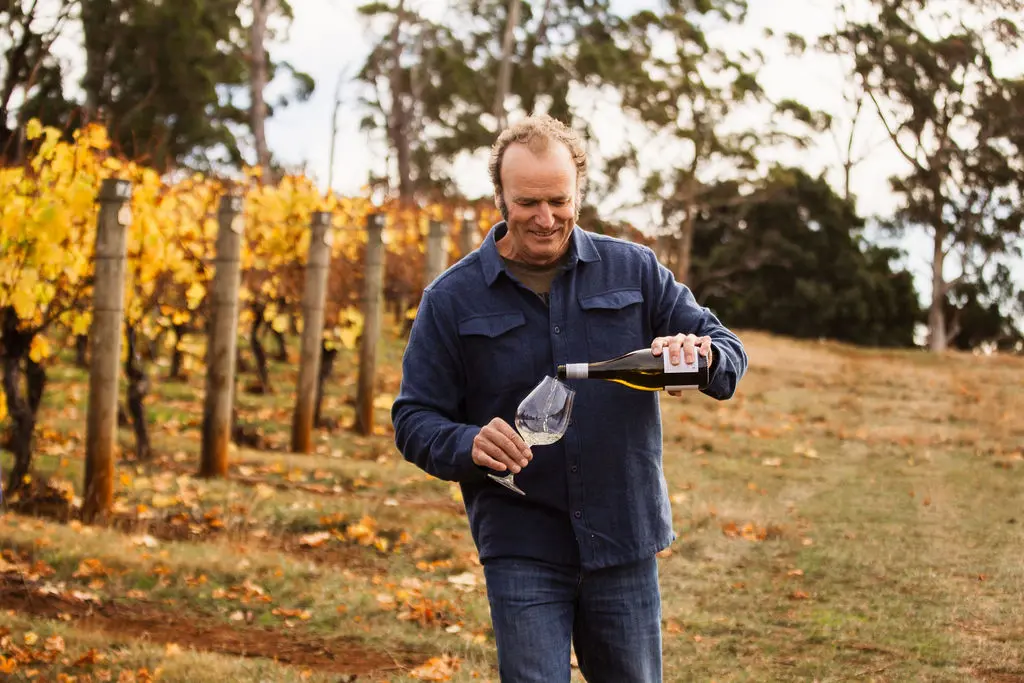

Located amidst the picturesque landscapes of Tasmania, Dalrymple winery offers an unrivalled wine experience for enthusiasts and casual visitors alike. Known for its exceptional wine production and breathtaking views, Dalrymple Winery stands as a testament to the rich vinicultural traditions of Australia.
History and Legacy
Dalrymple Winery is steeped in history, having been established in the lush wine-growing regions of Tasmania. It has a long-standing reputation for producing premium wines that reflect the unique terroir of the area. The commitment to quality and tradition has made Dalrymple a sought-after destination for those who appreciate fine wine and scenic beauty.
Location and Scenery
The winery is located in the Tamar Valley, an area celebrated for its wine heritage and natural splendour. The region offers visitors the chance to explore rolling hills, verdant vineyards, and stunning vistas, making it a perfect retreat for those looking to immerse themselves in the beauty of nature while indulging in exquisite wines.
Wine Selection
Dalrymple Winery is renowned for its selection of cool-climate wines, including pinot noir and chardonnay, which are crafted to perfection using traditional methods combined with modern techniques. Each bottle released is a reflection of the winery’s dedication to excellence and passion for winemaking.
Pinot Noir
The pinot noir produced at Dalrymple Winery is particularly esteemed, known for its complex flavours and elegant finish. Wine critics and visitors alike praise its smooth texture and the intricate bouquet it offers, showcasing the best of what Tasmanian viticulture has to offer.
Chardonnay
The chardonnay is another standout, characterised by its crispness and the subtle oaky undertones that come from careful aging processes. The cooler climate ensures the wine has a distinctive freshness that is favoured among chardonnay enthusiasts.
Visitor Experience
Dalrymple Winery goes beyond wine production, offering a comprehensive experience for visitors. Guided tours of the vineyard and winery provide insights into the winemaking process, from grape to glass. Guests can also indulge in tastings that highlight the range and integrity of the wines produced.
Tastings and Tours
Visitors are encouraged to participate in tasting sessions, which are designed to educate as well as tantalise the palate. The knowledgeable staff ensure that each session is informative, allowing guests to fully appreciate the nuances of Dalrymple’s creations.
Cellar Door Experience
The cellar door is a welcoming space where visitors can enjoy the serene environment while sampling some of the finest wines. The architecture of the cellar door complements the natural beauty of the surroundings, making it an inviting spot to relax and enjoy.
Sustainability Practices
In keeping with contemporary environmental concerns, Dalrymple Winery has embraced sustainable practices. These efforts ensure that the natural habitat is preserved for future generations and that the winery’s production methods are environmentally responsible.
Eco-friendly Production
From water conservation techniques to the use of organic fertilisers, Dalrymple Winery is committed to reducing its ecological footprint. This dedication to sustainability not only protects the environment but also enhances the quality of the wines produced.
Community Engagement
Dalrymple Winery also places a strong emphasis on supporting the local community. By engaging in initiatives that benefit local residents and businesses, the winery strengthens its ties within Tasmania, ensuring that it remains a vital and integral part of the region’s fabric.
Conclusion
Dalrymple Winery is more than just a place to taste and buy wine; it is a destination that offers a rich and fulfilling experience. With its commitment to quality, stunning location, and dedication to sustainability, Dalrymple Winery stands out as a premier vineyard destination in Australia.
Also Read
- Innovative Technologies in Metalworking Equipment
- How Bookkeeping Services Enhance Business Planning







Leave a Comment