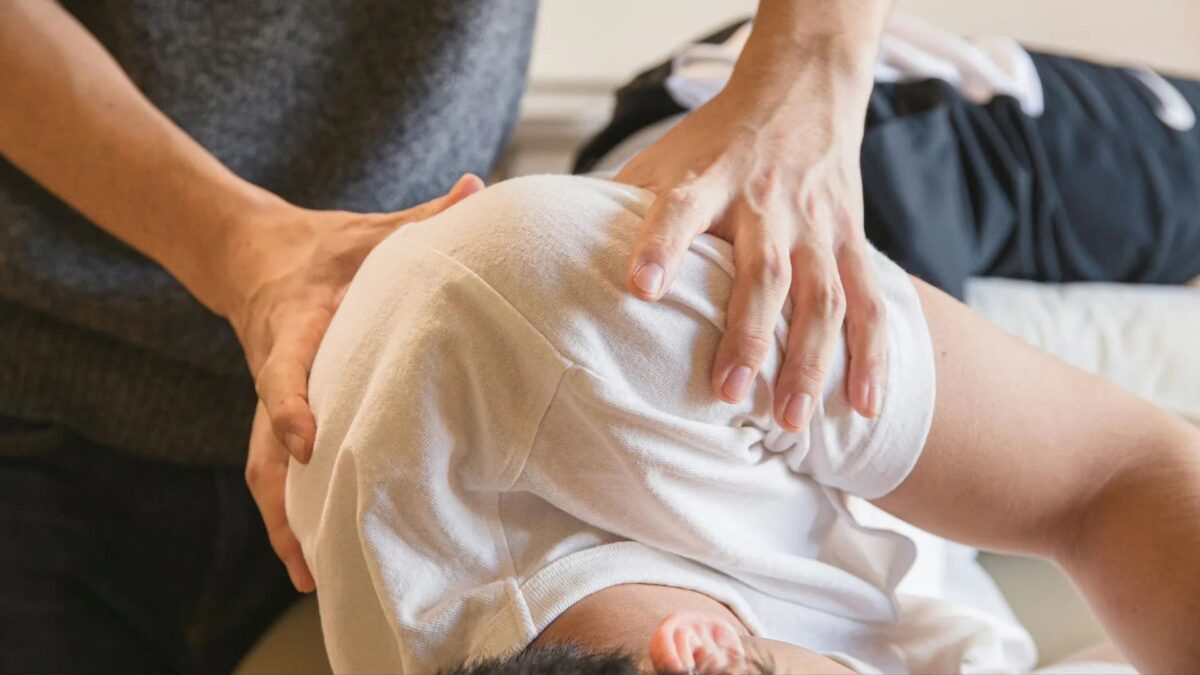

Fusing Soft Tissue Manipulation with Articular Adjustment for Myofascial Recovery
Sometimes, after an accident, your body feels like it’s been through a war. Muscles ache, joints feel stiff, and moving just hurts. It’s not just about broken bones; the soft tissues and the way your joints line up play a huge role in how you feel and recover. That’s where combining different types of therapy comes in. Think of it like fixing a complex machine – you need to address all the parts to get it running smoothly again. This approach helps speed things up and gets you back to feeling like yourself.
Key Takeaways
- Soft tissues like muscles and ligaments are vital for recovery and can be injured in accidents, leading to pain and limited movement.
- Manual soft tissue manipulation helps ease muscle tension, break down scar tissue, and improve blood flow for faster healing.
- Chiropractic adjustments focus on realigning the spine to relieve nerve pressure and address joint issues that often arise after an injury.
- Combining soft tissue work with chiropractic care offers a powerful, synergistic approach to healing that addresses multiple aspects of an injury.
- Working with a personal injury chiropractor can create a personalized plan to help you recover fully and regain strength and function after an accident.
Understanding Soft Tissue And Joint Dysfunction
The Role Of Soft Tissues In Recovery
When you get hurt, especially from something like a car accident or a sports mishap, it’s not just your bones that take a beating. Your muscles, ligaments, tendons, and that connective stuff called fascia – that’s your soft tissue – get stretched, torn, or bruised too. These tissues are super important for pretty much everything you do, from walking to picking up your coffee mug. They’re the shock absorbers and the movers of your body. So, when they’re damaged, healing can get complicated. Think of it like trying to build a house on a shaky foundation; if the soft tissues aren’t right, your whole body’s ability to move and function properly is compromised. Getting these tissues back in shape is a big part of actually recovering, not just feeling a little better for a bit.
Identifying Articular Misalignments
Sometimes, after an injury, your joints, especially those in your spine, can get a little out of whack. We call these articular misalignments or subluxations. It’s like a door hinge that’s slightly bent – it still works, but not as smoothly as it should, and it might even squeak or get stuck. These misalignments can put extra pressure on nerves and surrounding tissues, causing pain and limiting how well you can move. Figuring out exactly where these little shifts have happened is key. It’s not always obvious from the outside, which is why a good physical exam, sometimes with imaging, is so important. We need to pinpoint the exact spot that’s causing trouble.
The Impact Of Personal Injury On Mobility
Personal injuries, no matter how they happen, can really mess with your ability to move freely. It’s not just about the pain, though that’s a huge part of it. When tissues are injured or joints are out of place, your body starts to compensate. You might unconsciously change how you walk or stand to avoid hurting yourself more. Over time, this can lead to stiffness, a reduced range of motion, and even new aches and pains in different areas because other parts of your body are working overtime. It’s a domino effect. For example, a knee injury might cause you to limp, which then puts extra strain on your hip and lower back, leading to more problems down the line. Getting your mobility back means addressing not just the initial injury but also these secondary effects.
It’s easy to think that if you can still move, you’re fine after an injury. But often, the real issues are hidden, affecting how your body works on a deeper level and setting the stage for future problems if not addressed properly.
The Power Of Manual Soft Tissue Manipulation
When you’ve been injured, especially from something like a car accident or a sports mishap, your muscles, tendons, and ligaments can get pretty messed up. Think of them like the body’s shock absorbers and movers. If they’re tight, scarred, or just not working right, everything else feels off. That’s where manual soft tissue manipulation comes in. It’s basically a hands-on approach to working out those kinks and helping your body heal.
Targeting Muscle Tension And Scar Tissue
After an injury, muscles can tense up like a coiled spring, trying to protect the area. Over time, this can lead to knots and trigger points that just ache. Also, if there’s been damage, your body might lay down scar tissue to patch things up. While scar tissue is necessary, too much of it, or scar tissue that forms in the wrong places, can make things stiff and painful. Therapies like deep tissue massage or trigger point therapy are designed to get into these tight spots. They work to break down that hardened scar tissue and release the tension in the muscles. It’s not always the most comfortable feeling in the moment, but the relief afterward can be pretty significant.
Enhancing Blood Flow For Accelerated Healing
One of the biggest benefits of getting a good massage or other soft tissue work is how it gets your blood moving. When an area is injured, blood flow can sometimes be reduced, which slows down healing because your tissues aren’t getting all the oxygen and nutrients they need. Manual manipulation helps to increase circulation to the affected area. This rush of fresh blood brings in the good stuff needed for repair and helps to clear out waste products that can contribute to pain and swelling. It’s like giving your body’s repair crew a direct delivery service.
Restoring Flexibility And Range Of Motion
Injured tissues often become less flexible, and the muscles around them can tighten up, limiting how much you can move. This loss of range of motion can really impact your daily life, making simple tasks difficult. Soft tissue techniques work to gently stretch and lengthen these tissues. By releasing the tension and breaking down adhesions, they help to restore the natural elasticity of your muscles and fascia. This, in turn, allows your joints to move more freely, helping you get back to your normal activities without that feeling of being stuck or restricted.
Chiropractic Adjustments For Spinal Health
Restoring Vertebral Alignment
When you’ve been in an accident, especially a personal injury like a car crash, your spine can take a real beating. The sudden jolt can knock your vertebrae out of their normal position. Think of it like a stack of blocks getting knocked over – they don’t just magically go back into place. This misalignment is a big deal because it can put pressure on nerves and cause all sorts of problems, from back pain to radiating pain down your legs. A chiropractor uses specific, controlled thrusts to gently move these bones back where they belong. It’s not about forcing anything; it’s about restoring that natural alignment so your body can start to heal properly. This realignment is key to reducing pain and improving how your whole nervous system functions.
Relieving Nerve Compression
Nerves are like the communication lines of your body, sending signals between your brain and everything else. When a vertebra is out of place, it can pinch or irritate these nerves. This is often what causes that sharp, shooting pain, numbness, or tingling you might feel after an injury. Chiropractic adjustments aim to create more space around the affected nerves. By getting the spine back in line, the pressure is taken off, allowing those nerve signals to flow freely again. This can make a huge difference in how you feel day-to-day.
Addressing Disc Injuries Post-Trauma
Spinal discs are the shock absorbers between your vertebrae. Accidents can cause these discs to bulge or even herniate, meaning the soft inner material pushes out. This is super painful because the disc can press directly on nerves. While soft tissue manipulation can help with the surrounding muscles, chiropractic adjustments are often needed to address the disc issue itself. By restoring proper spinal alignment, the chiropractor can help reduce the pressure on the injured disc, giving it a better chance to heal. Sometimes, other therapies like chiropractic massage are used alongside adjustments to help relax the muscles that might be guarding the injured area, making the adjustment more effective and comfortable.
Integrating Therapies For Comprehensive Recovery
It’s pretty common for folks to think of recovery as a single path, but honestly, it’s more like a team sport. When you’re dealing with injuries, especially those that mess with your muscles, ligaments, and joints, you usually get the best results when different treatments work together. That’s where combining soft tissue work with adjustments really shines.
Synergistic Effects Of Combined Treatments
Think about it: soft tissue manipulation, like massage, helps loosen up tight muscles and break down scar tissue. This makes the area more pliable and ready for other work. Then, when a chiropractor performs an adjustment, they’re working with tissues that are already more relaxed and responsive. This can make the adjustment itself more effective and potentially more comfortable for you. It’s like preparing the soil before planting seeds – you get a better outcome.
- Improved circulation: Massage boosts blood flow, bringing more oxygen and nutrients to the injured area, which helps healing.
- Reduced muscle guarding: When muscles are tense, they can resist joint movement. Soft tissue work helps them relax, allowing for better joint mobility.
- Enhanced nervous system function: Releasing tight tissues can reduce pressure on nerves, which often works hand-in-hand with spinal alignment.
- Faster pain relief: The combination can tackle pain from multiple angles – muscle tightness and joint restriction.
Personalized Care Plans For Optimal Outcomes
No two injuries are exactly alike, right? What works wonders for one person might not be the best fit for another. That’s why a good recovery plan is always tailored. A healthcare provider will look at your specific injury, how your body responds, and your lifestyle to figure out the right mix of therapies.
Here’s a look at how a plan might be put together:
| Therapy Type | Primary Goal |
| Soft Tissue Manipulation | Reduce tension, scar tissue, improve flexibility |
| Articular Adjustment | Restore joint alignment, reduce nerve pressure |
| Therapeutic Exercise | Strengthen weakened muscles, improve stability |
| Modalities (e.g., Ultrasound) | Reduce inflammation, promote tissue repair |
The Role Of A Personal Injury Chiropractor
When you’ve been in an accident, especially a car crash, things can get complicated. You might have whiplash, disc issues, or just general soreness. A chiropractor who specializes in personal injuries knows how to assess these specific types of trauma. They understand how the forces involved can affect your spine and surrounding tissues. They’re trained to identify misalignments and soft tissue damage that might not be obvious at first glance. Their goal is to not just fix the immediate problem but to help your body recover fully and prevent future issues. They often work with other medical professionals too, making sure you get all the care you need.
Dealing with an injury can feel overwhelming. Having a healthcare professional who understands the nuances of personal injuries and can coordinate different treatment approaches can make a huge difference in your recovery journey. It’s about getting you back to feeling like yourself again, without the lingering effects of the injury.
Accelerating Myofascial Recovery
Reducing Inflammation and Pain
When you’ve been injured, your body’s natural response is to send inflammatory cells to the area. While this is part of the healing process, too much inflammation can actually slow things down and cause a lot of discomfort. Think of it like a traffic jam – the healing cells can’t get where they need to go efficiently. Soft tissue manipulation, like targeted massage, helps to gently encourage the movement of these inflammatory fluids away from the injured site. This can bring a noticeable reduction in swelling and, consequently, a decrease in pain. It’s not just about feeling better in the moment; it’s about clearing the path for your body to start repairing itself properly.
Promoting Tissue Regeneration
After an injury, the body works to rebuild damaged tissues. This process can sometimes lead to the formation of scar tissue, which isn’t as flexible or strong as healthy muscle or connective tissue. Manual therapies can help break down this scar tissue, making way for new, healthier cells to grow. By improving blood flow to the injured area, we’re delivering essential nutrients and oxygen that these new cells need to thrive. This increased circulation is key to regenerating robust, functional tissue rather than weak, disorganized scar tissue. It’s like giving your body the best possible building materials for repairs.
Regaining Strength and Functionality
Once the initial inflammation has calmed down and the tissues are starting to heal, the focus shifts to getting you back to your normal activities. This involves regaining the strength and full range of motion that might have been lost due to the injury and the subsequent healing period. A combination of continued soft tissue work and specific exercises helps to restore muscle function and joint mobility. It’s a gradual process, but by systematically addressing the underlying issues and then rebuilding capacity, you can return to your daily life with confidence and less risk of re-injury. The goal is not just to be pain-free, but to be fully functional again.
Here’s a look at how different therapies contribute:
| Therapy Type | Primary Benefit for Recovery |
| Soft Tissue Manipulation | Reduces inflammation, breaks down scar tissue, improves circulation |
| Articular Adjustment | Restores proper joint mechanics, reduces nerve irritation |
| Targeted Exercise | Rebuilds muscle strength, improves flexibility and endurance |
| Nutritional Support | Provides building blocks for tissue repair and reduces systemic inflammation |
It’s important to remember that recovery isn’t always linear. There will be good days and challenging days. The key is consistent, appropriate care that addresses both the immediate symptoms and the underlying causes of your myofascial issues.
Frequently Asked Questions
What exactly are soft tissues, and why are they important for healing?
Soft tissues are all the parts of your body that aren’t bones, like your muscles, tendons, and ligaments. They help you move and support your body. When these get hurt, like in an accident, they need careful treatment to heal right and get you moving again.
How can massage help after an injury?
Massage feels good, but it also does important work! It helps relax tight muscles, break up scar tissue that can make movement stiff, and improves blood flow. Better blood flow means more healing stuff gets to the injured area, helping you recover faster and feel less pain.
What is a chiropractic adjustment, and how does it help?
A chiropractic adjustment is a gentle way to put your bones, especially in your spine, back into their proper place. When bones are out of line, they can press on nerves and cause pain. Adjustments help relieve this pressure, reduce pain, and get your body working smoothly again.
Why is combining soft tissue work and adjustments better than just one?
Think of it like this: muscles and bones work together. If your muscles are super tight and pulling things out of place, just adjusting the bones might not fix it for long. And if your bones are out of line, your muscles might stay tense trying to compensate. Doing both helps fix the whole system – the muscles and the bones – for a better, longer-lasting recovery.
Can this help if my injury happened a while ago?
Yes! Even if it’s been some time since your injury, old injuries can still cause problems like stiffness or pain. Combining soft tissue work and adjustments can help address the lingering issues, improve how your body moves, and reduce ongoing discomfort.
What does a chiropractor do to help with injuries from car accidents?
Car accidents can jolt your body, causing muscles to tighten and bones to shift. A chiropractor can use adjustments to realign your spine and joints, and massage to ease muscle pain and stiffness. They create a plan just for you to help your body heal and get back to normal.
Also Read
- Innovative Technologies in Metalworking Equipment
- How Storytelling Helps Businesses Build Trust
- The Professional Caregiving Solutions are Designed to Improve Quality of Life





Leave a Comment