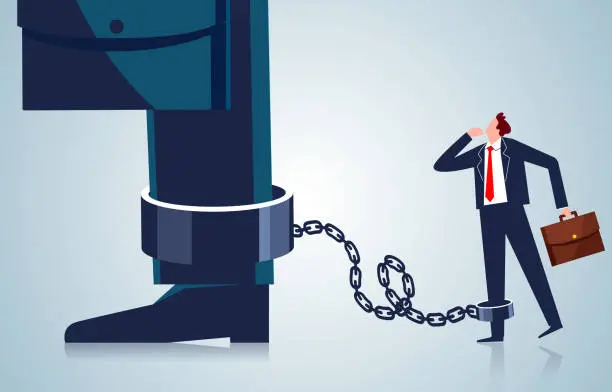

When most people hear the word “slavery,” they think of history books. But modern slavery is not a relic of the past — it is a present-day crisis affecting more than 50 million people worldwide, according to the International Labour Organization. It exists in factories, farms, construction sites, nail salons, car washes, and even routine office-cleaning contracts. And it almost always operates in plain sight.
That last point is what makes modern slavery a workplace issue rather than purely a leadership one. The people most likely to spot the warning signs are not directors signing annual statements — they are the employees who interact with suppliers, contractors, customers, and colleagues every day. When organisations treat modern slavery as a problem for the compliance team alone, the risks go undetected. When every employee understands what to watch for, the likelihood of timely intervention rises sharply.
The Hidden Reach of Modern Slavery
Modern slavery is not always obvious. It can involve forced labour, human trafficking, debt bondage, domestic servitude, or the exploitation of vulnerable adults and children. A person may look like any other worker — turning up for shifts, being paid on paper, and living in employer-arranged housing — but behind the scenes, they may be facing threats, withheld wages, or the loss of their documents.
The UK is not insulated from this. The Home Office records tens of thousands of potential victims through the National Referral Mechanism each year, and the true figure is widely believed to be significantly higher. Sectors particularly exposed include agriculture, hospitality, construction, manufacturing, care work, garment production, and logistics — but cases have surfaced in almost every industry, including professional services that engage cleaners, security firms, or recruitment agencies.
Where Employees Actually Encounter the Risk
Most employees will not knowingly meet a trafficker. But they may still see the signs of exploitation without realising it. They might approve payments to a supplier using forced labour, interview someone whose passport has been taken by a recruiter, visit a site where workers are housed in unsafe conditions, or serve a customer who is being controlled by the person beside them.
That is why awareness matters across every part of an organisation. Procurement teams need to understand supplier risks. HR teams need to recognise concerns linked to recruitment agencies and migrant workers. Frontline staff may notice things no one in head office can see — people being spoken for, groups moving together, or multiple workers using the same bank details. Modern slavery training helps employees connect these warning signs and know when to escalate them.
Warning Signs That Matter
Employees do not need specialist investigative skills to spot the warning signs of exploitation. They need to know what to look for. A worker may seem fearful, withdrawn, malnourished, or unable to speak freely. They may not have their own identity documents, may be paid through someone else’s bank account, or may live at an address shared by many unrelated adults. There may also be unexplained injuries or differences between what a worker says and what their paperwork shows.
Any one of these signs may have another explanation, so employees should not confront anyone directly. They should record what they have seen and report it through the proper internal channels, or contact the Modern Slavery and Exploitation Helpline in urgent cases.
Legal and Reputational Stakes
In the UK, larger businesses must publish modern slavery statements under the Modern Slavery Act 2015. Organisations that fail to take credible action leave themselves at operational risk.
These consequences fall on the organisation, but the individuals who could have raised the alarm — and didn’t — often face professional consequences as well. Employees who are unaware of the issue are not protected by their ignorance; they are exposed by it. Conversely, employees who speak up early help their employer respond before regulators, journalists, or law enforcement do.
The True Cost of Looking Away
It is easy to assume modern slavery happens somewhere else — in distant factories, hidden industries, or another company’s supply chain. That assumption is part of what allows it to continue. Victims are often moved between sites, paid in cash, hidden behind intermediaries, and told exactly what to say. Without trained employees who can spot when something does not add up, exploitation can continue for years inside otherwise reputable organisations.
Beyond the legal and business risks, there is a more basic reason to care: every undetected case is a person whose freedom has been taken. Employees may be the first, or only, people in a position to notice and raise the alarm.
Conclusion
Modern slavery thrives on silence, distance, and the assumption that someone else is paying attention. Every employee who understands the warning signs, knows the reporting channels, and feels empowered to act narrows the gap that traffickers rely on. It is not the responsibility of any single department or any single role. It is, quite literally, everybody’s business — and the workforce that treats it that way is the one most likely to prevent it.
Also Read-
- How Bookkeeping Services Enhance Business Planning
- Dental Coverage for Federal Employees: What to Know
- Essential Legal Templates Every Business Owner Should Have





Leave a Comment