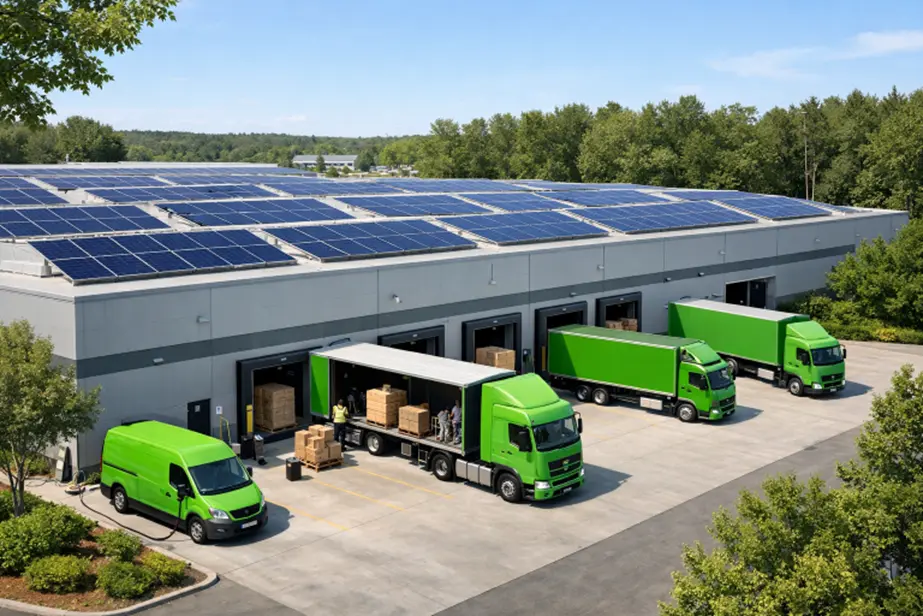

In today’s fast-paced market, businesses are increasingly recognizing the necessity of sustainable logistics. Consumers and companies alike are becoming more conscious of their environmental impact and are seeking ways to make supply chains greener. By partnering with experienced third party logistics companies, businesses can implement sustainable solutions that not only benefit the environment but also enhance operational efficiency and boost brand reputation in a competitive marketplace.
The integration of eco-friendly practices throughout the supply chain is a powerful strategy for addressing consumer demand for sustainability while meeting global obligations to reduce carbon footprints. Sustainable logistics focuses on decreasing waste, utilizing renewable energy, and optimizing transportation. These practices deliver value by preparing businesses for evolving customer and regulatory expectations while supporting long-term profitability.
Establishing sustainability in logistics is not merely a trend but a strategic transformation shaping the future of commerce. From route optimization to cleaner vehicle use, organizations are rethinking every aspect of their supply networks. Whether you are just beginning or advancing your efforts, aligning yourself with a trusted third party logistics provider can be instrumental in streamlining and scaling sustainable initiatives.
For more insights about the significant business impact of sustainability, see the latest analysis from Forbes: The Crucial Role of Sustainable Logistics in the Transportation Industry.
Introduction
Sustainable logistics involves adopting practices that reduce environmental impact while maintaining efficiency throughout the supply chain. These initiatives address not only the growing consumer demand for environmentally responsible operations but also the need to align with global efforts to combat climate change. By focusing on sustainability, companies can secure compliance with forthcoming regulations and gain the trust of increasingly eco-aware customers.
Benefits of Sustainable Logistics
Adopting sustainable logistics results in tangible and strategic advantages:
- Cost Reduction: More efficient use of resources and minimized waste directly lowers operational expenses. This can include optimized fuel usage, fewer wasted miles, and streamlined processes.
- Enhanced Brand Image: Demonstrating a strong commitment to the environment attracts and retains eco-conscious consumers and partners, giving companies a reputational edge in their sector.
- Regulatory Compliance: Keeping ahead of emerging environmental regulations provides not only legal protection but also fosters goodwill in global and local markets, minimizing the risk of fines and interruptions.
Key Strategies for Implementation
Businesses aiming to achieve sustainable logistics success can focus on several proven strategies:
- Optimizing Transportation Routes: Advanced route planning and real-time analytics help reduce travel distances and fuel consumption. This enables organizations to deliver products more quickly while decreasing emissions.
- Investing in Green Technologies: Utilizing electric or hybrid vehicles, energy-efficient lighting, and solar-powered equipment dramatically lowers environmental impact. Energy audits and continuous investment in new technologies also offer measurable sustainability gains.
- Implementing Reverse Logistics: Developing robust systems for product returns, recycling, and refurbishing encourages resource conservation. This extends product lifecycles and supports the transition to a circular economy, reducing landfill waste.
Case Studies of Successful Implementation
Leading companies are achieving remarkable results through sustainable logistics:
- CleanCore Solutions: This innovative firm partnered with a major logistics leader to deploy chemical-free cleaning technology across more than 1,000 United States facilities. This initiative heightened sustainability while simultaneously improving operational efficiency.
- Exol: As part of an ambitious plan to modernize fulfillment operations, Exol launched a robotic fulfillment network offering ‘fulfillment-as-a-service.’ This approach lets businesses access advanced, automated warehouse infrastructure without the heavy upfront investment, supporting both scalability and sustainability.
Challenges and Solutions
Although the benefits are compelling, implementing sustainable logistics can pose challenges, including higher initial costs, barriers to technology adoption, and organizational resistance to change. Effective solutions include:
- Securing Funding: Businesses can offset investment costs by applying for grants and taking advantage of government incentives that encourage sustainable operations.
- Employee Training: Continuous education programs for staff help address knowledge gaps and foster support for sustainability initiatives, ensuring smoother transitions and greater engagement.
- Collaborative Partnerships: Strong collaboration with suppliers and industry partners who share the commitment to sustainability helps streamline operations and achieve common goals more effectively.
Future Trends in Sustainable Logistics
Looking ahead, several trends are poised to revolutionize sustainable logistics:
- Increased Use of AI: Artificial intelligence is already optimizing delivery routes, forecasting maintenance needs, and helping warehouses operate with greater precision and less waste.
- Expansion of Electric Fleets: As electric vehicle technology advances, more companies are adopting electric trucks and vans, further reducing reliance on fossil fuels and lowering long-term costs.
- Emphasis on Circular Economy: Companies are increasingly designing logistics systems and products that promote reuse, recycling, and remanufacturing. These efforts are critical for sustainable long-term growth.
Conclusion
Embracing sustainable logistics is both an environmental and a strategic business imperative. Companies that invest in green practices achieve higher efficiency, cost savings, regulatory compliance, and a stronger market reputation. By partnering with industry experts and staying ahead of emerging trends, organizations can build resilient supply chains prepared for the challenges and opportunities of a sustainable future.
Also Read
- Interior Door Choices for a More Comfortable and Refined Home
- Why Window Replacements Are a Smart Investment Before Selling Your Home
- Pendeja Meaning in English: Definition, Usage, Cultural Context, and Real-Life Examples







Leave a Comment