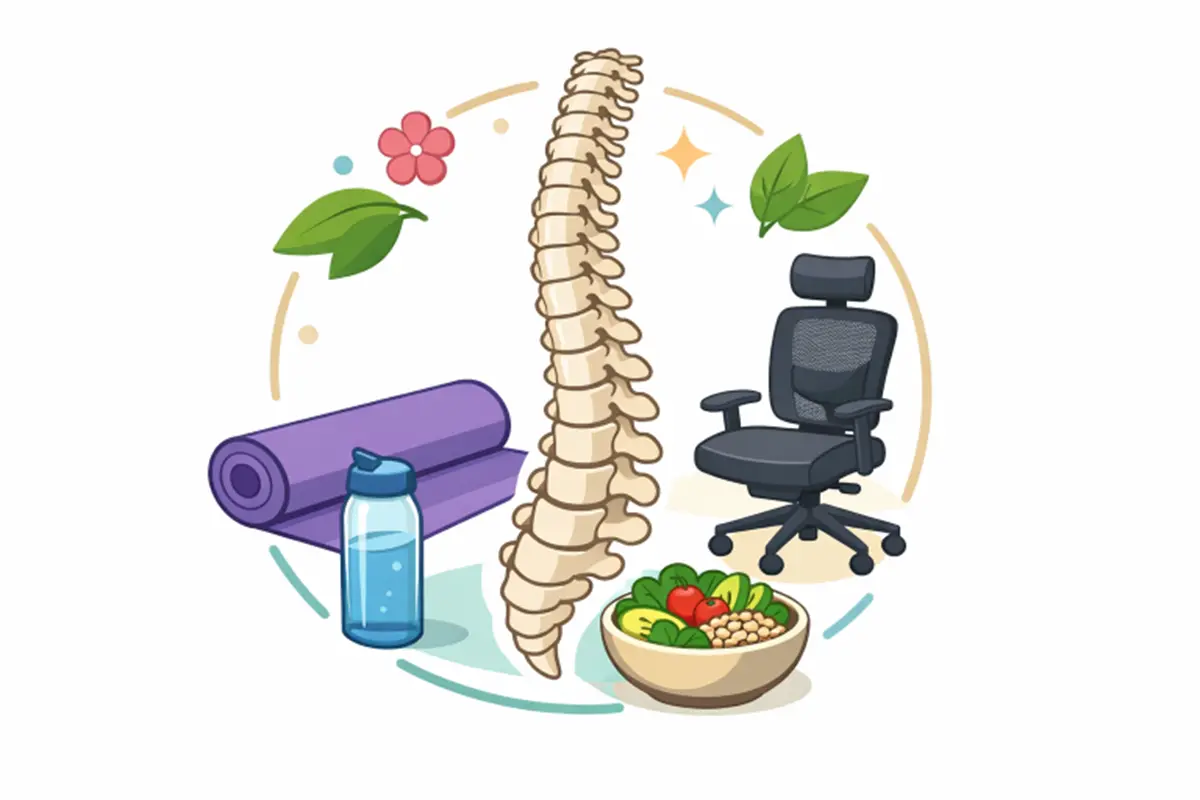

Maintaining spinal health is integral to overall well-being and long-term mobility. By embracing a holistic outlook, you can proactively nurture your spine and minimize discomfort throughout daily life. For anyone seeking to better manage or prevent back and neck pain, tapping into holistic strategies such as working with a chiropractor in Cooper City, integrating mind-body practices, and adopting vibrant lifestyle habits can make a substantial difference.
These approaches aim to support not only the spine’s physical structure but also your broader health, resilience, and sense of balance. Within this guide, you will discover actionable tips and trusted techniques that have empowered many to overcome spinal discomfort, promote alignment, and enjoy everyday motion with greater ease.
Mind-Body Practices for Spinal Health
Engaging in mind-body techniques such as yoga, tai chi, and meditation promotes spinal health from the inside out. Gentle yoga postures encourage flexibility and build strength around the spine, lowering overall tension and diminishing the risk of incidents. Regular practice of yoga and tai chi can create greater body awareness, teaching you new ways to move that protect your back and neck. As mindfulness and controlled breathing are woven in, these mental techniques can also reduce the stress hormones that fuel chronic pain and stiffness. A dedicated practice can often help retrain the body to relax sooner and remain in a state better suited for healing.
The Importance of Proper Posture and Ergonomics
Every day, postural habits profoundly influence spinal health. Repeatedly slouching or straining the neck places excess pressure on vertebrae, muscles, and connective tissues. Simple ergonomic adjustments, like adjusting your chair for lumbar support, elevating your monitor to eye level, or setting up a supportive workstation can prevent common types of strain injuries. Remembering to routinely check and reset your posture keeps muscles balanced and helps prevent long-term fatigue or misalignment. Prioritizing posture can dramatically decrease daily discomfort and help you stay comfortable at work, at home, or while driving.
Incorporating Regular Physical Activity
Frequent movement is essential for supporting the muscles along your back and neck. Focus on activities and exercises that strengthen your core, as these stabilize the spine and distribute physical stress more evenly throughout your body. Options such as walking, swimming, or moderate cycling help keep joints limber while minimizing undue impact on the spinal column. Those starting a new program should begin slowly and consult with a healthcare professional or physical therapist, particularly if previous injuries exist. Building activity into your daily schedule protects your back and encourages lasting mobility.
Stress Management Techniques
Addressing stress is a vital aspect of spinal wellness and overall health. Emotional or physical tension often settles in the neck and upper back, manifesting as chronic tightness or discomfort. Techniques like progressive muscle relaxation, guided imagery, or mindfulness-based stress reduction can interrupt this cycle. Studies reported by Healthline highlight that using mind-body modalities not only relieves symptoms but also boosts coping skills for those with persistent spinal discomfort. Investing time in these methods can lead to long-term pain reduction and improved mental well-being.
Diet and Nutrition for Spinal Health
Nourishment plays a fundamental role in protecting and healing your spine. Essential nutrients like calcium and vitamin D help maintain bone density, while omega-3 fatty acids from sources such as fish, walnuts, and flaxseed fight inflammation and promote tissue health. Incorporating a wide range of fruits, vegetables, lean proteins, and healthy fats can strengthen cartilage, ligaments, and muscles. Hydration is also crucial; keeping tissues supple and intervertebral discs properly cushioned relies on adequate water intake.
Exploring Alternative Therapies
In addition to conventional medical care, many people find complementary therapies helpful for managing back or neck pain. For example, acupuncture can relieve certain kinds of discomfort by stimulating healing processes at precise points in the body. Chiropractic care uses hands-on techniques to restore range of motion and spinal alignment, easing pain for some musculoskeletal conditions. While not all therapies fit every individual, exploring integrative practices as part of a comprehensive wellness plan can add valuable options to your toolkit. Consultation with a primary healthcare provider ensures these therapies are used safely and appropriately.
Implementing Lifestyle Changes
Small, intentional changes to your daily routine can offer lasting protection for your spine. Regular stretch breaks during prolonged sitting help counteract stiffness, and choosing shoes with substantial arch support limits uneven strain. Learning correct lifting techniques and using proper body mechanics in all activities, from household chores to exercise, can help prevent sprains or injuries. Quality sleep on a supportive mattress also plays a pivotal role, as restorative rest allows spinal tissues to heal and rejuvenate each night. Over time, these cumulative habits contribute to robust spinal health and long-term resilience.
Conclusion
Back and neck wellness comes from sustained habits and holistic self-care rather than quick fixes. By combining mind-body practices, employing proper ergonomics, engaging in regular exercise, managing stress thoughtfully, choosing nourishing foods, considering safe alternative therapies, and implementing practical lifestyle changes, you can foster a healthier spine and significantly enhance your daily quality of life. Through this integrative approach, living comfortably and confidently is within reach for the long term.
Also Read-The Professional Caregiving Solutions are Designed to Improve Quality of Life







Leave a Comment