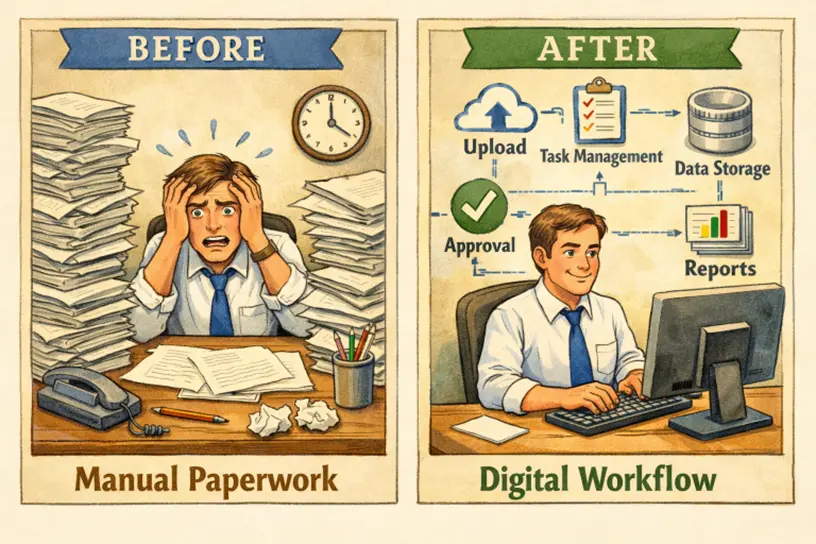

In the continually evolving digital landscape, organizations must reevaluate how they manage daily operations. Streamlining workflows not only reduces operational inefficiencies but also enhances employee satisfaction and organizational agility. The shift from manual tasks to digital processes fosters a more productive and error-resistant work environment. For a visual exploration of digital process enhancements, check out Visual highlights from the Shift browser Instagram.
When companies embrace digital workflows, they open the door to improved collaboration, faster task completion, and more consistent outcomes. Digital transformation enables teams to operate more cohesively, regardless of location. By automating repetitive processes, organizations can unlock capacity for innovation and long-term growth.
The urgency of adopting digital tools is heightened in competitive industries. Businesses that fail to optimize their workflows risk falling behind. Digital workflows enable companies not only to achieve operational excellence but also to adapt rapidly to market demands. In addition, embracing modern technology creates a stronger foundation for data-driven decision-making.
Understanding Digital Workflows
A digital workflow is a structured process that replaces manual, paper-based activities with automated, software-driven actions. This transition consolidates scattered steps into seamless digital journeys. Common use cases for digital workflows include handling employee onboarding, invoice approvals, customer service requests, and project management. By using digital tools, companies can standardize procedures, ensuring all required steps are followed without unnecessary delays or confusion.
Automation and integration are central to effective digital workflows. With automation, repetitive and easily defined tasks such as data entry or document routing are handled without direct human involvement. Integration allows different software systems to communicate, eliminating silos and promoting real-time information flow. The goal is to free up human attention for creative problem solving and strategic priorities.
Benefits of Digital Workflows
- Increased Productivity: Automating low-value tasks enables employees to devote time to work that adds greater value to the organization. This often leads to quicker project completions and more satisfied clients.
- Improved Collaboration: Digital workflows centralize information and communication, keeping everyone on the same page. Project management platforms and shared workspaces allow teams to coordinate efforts, reducing miscommunication and duplication of work.
- Enhanced Accuracy: Automation reduces the risk of human error, such as incorrect data entry or lost documents. As a result, businesses achieve higher-quality outcomes and reduced rework.
- Cost Savings: Digital workflows reduce the need for physical resources such as paper, printing, and storage. The cumulative financial savings often free up budget for further innovation. Research published by Harvard Business Review underscores how digitization continues to deliver significant efficiency gains.
Implementing Digital Workflows
- Assess Current Processes: Begin by mapping which business processes require manual intervention. Identify bottlenecks, redundancies, and potential for improvement. This might include approvals, documentation, and internal communication.
- Select Appropriate Tools: Evaluate workflow management platforms and automation tools, considering not only industry-specific requirements but also how they integrate with existing infrastructure.
- Train Employees: Adoption succeeds when staff are comfortable and competent using new technology. Invest in hands-on training sessions and provide ongoing support to encourage uptake and confidence. Foster a culture that values and rewards learning new skills.
- Monitor and Optimize: Implementation is only the beginning. Regularly review workflow metrics and collect employee feedback. Use these insights to refine digital processes, addressing inefficiencies and emerging needs.
Overcoming Challenges
Adopting digital workflows requires organizations to proactively address certain obstacles. Employee resistance can stall progress, particularly when change disrupts familiar routines. Transparent communication that highlights the benefits of digital transformation helps to build support. Management should also acknowledge concerns and provide clear pathways for feedback and involvement.
Technical pitfalls, such as software compatibility issues or data migration challenges, must be addressed early in the process. It is important to select scalable, flexible tools backed by reliable vendors with strong customer support. Ensuring cybersecurity and data privacy compliance is essential to protect organizational assets and comply with regulations.
Finally, the learning curve that accompanies new technology can drain short-term productivity if not managed well. Encourage a continuous learning mindset and provide accessible resources so every team member can build digital fluency. Success stories and peer-led tutorials can further demystify digital workflows for hesitant staff.
Final Thoughts
Streamlining digital workflows is vital for organizations striving to maintain an edge in today’s competitive environment. By understanding the facets of digital workflows, embracing the right technology, and cultivating a culture of adaptability, businesses can unlock new levels of productivity, efficiency, and employee engagement. As industries continue to evolve, those that leverage digital transformation will be best positioned for long-term success.
Also Read-Is a 2-Person Infrared Sauna Worth It for Your Home?





Leave a Comment