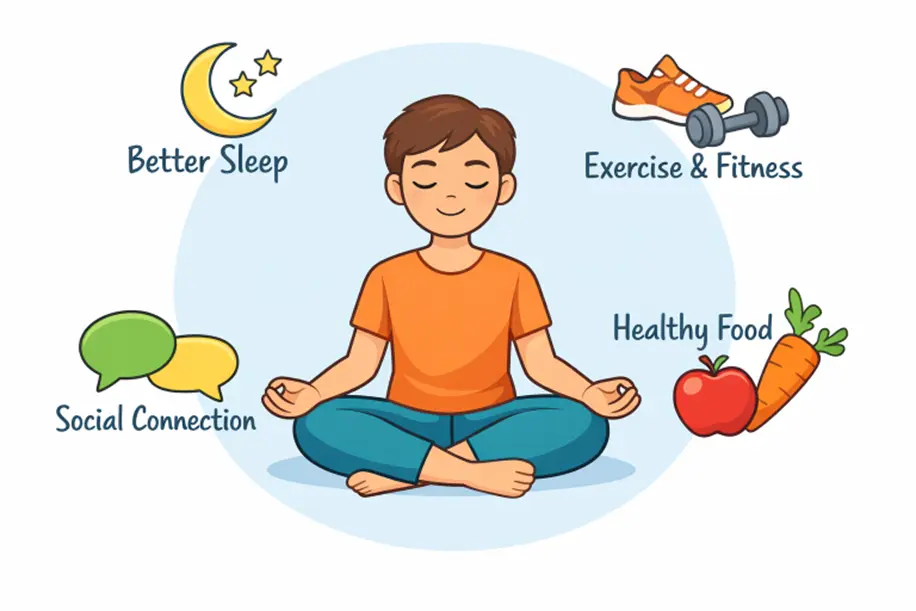

Building a daily routine that prioritizes mental wellness is essential for maintaining a balanced, healthy life. Creating habits that nurture your mind and emotions can improve resilience and long-term happiness. By weaving practices such as mindfulness, proper sleep, and physical activity into your lifestyle, you can manage stress more effectively and strengthen your emotional stability. For guidance or professional help, consider Brook Behavioral Health, which offers support and guidance for developing robust mental wellness routines.
Embracing positive mental health habits is not only about crisis management, but also about proactive self-care that nurtures long-lasting well-being. The process of building and maintaining these routines can be transformative, offering benefits far beyond improved mood or reduced anxiety. Investing time and effort in your mental health fosters a solid foundation for facing life’s challenges and enjoying daily experiences with greater clarity and calm.
Importance of Mental Wellness Routines
Having a structured daily routine for mental health introduces predictability and order, helping to reduce feelings of overwhelm and stress. Small, sustainable habits eliminate the need for constant decision-making, freeing up mental space for more important thoughts and tasks. According to the National Alliance on Mental Illness, developing supportive routines can make individuals feel safer, more secure, and better equipped to handle difficulties.
Implementing routines fosters a proactive approach to mental health and provides a sense of agency. When individuals know what to expect from their day, they often feel more in control, which can mitigate anxiety related to uncertainty. Furthermore, routines are not static; they can grow and shift as your needs change, allowing for both structure and flexibility in response to life’s ups and downs. This adaptability helps build distress tolerance over time and makes it easier to navigate unexpected events when they arise. Developing a strong foundation of mental wellness through daily habits ultimately acts as an emotional anchor, supporting both short-term equilibrium and long-term growth.
Establishing a Consistent Sleep Schedule
Regular sleep is crucial for cognitive health, mood stability, and emotional regulation. Aim to go to bed and wake up at the same time each day, including weekends. A steady sleep routine supports your circadian rhythm, which governs energy and alertness throughout the day. Research from the Sleep Foundation highlights that consistent sleep habits can help reduce irritability and strengthen your ability to cope with stress.
To enhance sleep quality, consider developing a calming pre-sleep routine. Activities like reading, gentle stretching, or journaling before bed cue your body to wind down. Avoiding caffeine in the afternoon and steering clear of screens at least an hour before sleep can further improve restfulness, ensuring you wake up rejuvenated and ready to face the day. Sleep isn’t just rest; it’s a form of restoration for your mind and body, supporting overall wellness and daily functioning.
Incorporating Physical Activity
Physical activity is not just beneficial for physical health but also has a profound impact on mental well-being. Even moderate exercises like walking or cycling can stimulate the release of endorphins, the body’s natural mood enhancers. Physical activity has been shown to reduce symptoms of anxiety and depression, offering both immediate mood boosts and long-term resilience when made a regular part of a daily routine.
For optimal mental health benefits, choose activities you genuinely enjoy, such as dancing, yoga, or group sports, to increase your chances of consistency. If time is limited, incorporate small activities throughout your day, such as taking the stairs, stretching in the morning, or going for short walks during breaks. Over time, these incremental changes can add up, creating a routine that feels manageable and rewarding. Remember that consistency, rather than intensity, is key to integrating exercise for long-term mental wellness.
Practicing Mindfulness and Meditation
Mindfulness and meditation encourage staying present and can alleviate chronic stress. Practicing mindfulness does not require special skills or equipment; simply focusing on your breath for a few minutes each day can help reset your mind. Techniques like deep breathing, guided meditation, or progressive muscle relaxation help calm your nervous system, promote clarity, and foster a greater sense of balance and calm over time.
As a routine, mindfulness helps create mental “space” between thoughts and reactions, leading to more measured, intentional responses to life’s challenges. Meditation apps, breathing exercises, and mindful walks are accessible ways to start, especially for beginners. The goal is not to eliminate thoughts or feelings but instead to observe them with greater acceptance, helping you build emotional resilience and self-awareness in your everyday interactions.
Maintaining a Balanced Diet
Nutrition is closely linked to mental well-being. A diet filled with fruits, vegetables, lean proteins, and whole grains delivers essential nutrients that support healthy brain function. Limiting intake of processed foods and added sugars can help balance mood and energy. Staying hydrated is just as critical, as dehydration can cause irritability and cognitive issues. Establishing healthy eating patterns is a valuable aspect of a well-rounded routine for mental wellness.
Try meal planning in advance to ensure you have a variety of nutrient-dense foods readily available. Listening to hunger and fullness cues and enjoying meals mindfully, without distractions, can improve your relationship with food and foster a sense of gratitude. A holistic approach to diet not only fuels the body but also supports balanced mental energy and emotional stability, enhancing your overall sense of well-being.
Limiting Screen Time
Excessive time spent on digital devices, particularly social media, often contributes to increased feelings of anxiety, isolation, and poor sleep quality. Setting boundaries such as screen-free hours or dedicated device curfews helps improve focus and emotional regulation. Simple adjustments, like creating tech-free zones for meals or before bed, can have noticeable positive effects on mood and daily functioning.
Practicing digital mindfulness and being intentional with your media consumption deepens your engagement with the present. Consider substituting certain screen activities with enriching alternatives, such as reading, creative hobbies, or spending time in nature. Cultivating a healthy balance between online and offline life ultimately reinforces your overall mental wellness and protects your emotional energy.
Building Social Connections
Strong social connections are fundamental for emotional wellness. Maintaining meaningful connections with friends, family, or support groups provides emotional protection and a sense of belonging. Regular social activities, whether in person or virtual, can help combat loneliness and build a supportive network, especially during challenging times.
Actively participating in group activities, volunteering, or joining clubs with shared interests are ways to expand your community. Being a part of a social network nurtures emotional intelligence, boosts self-esteem, and offers avenues for mutual support. Communication is a two-way street; both reaching out and being receptive to others can foster deeper, more fulfilling relationships that are crucial for mental resilience.
Seeking Professional Support
If self-care routines are not enough or if you continue to feel overwhelmed, it is important to seek help from mental health professionals. Therapists and counselors can offer tailored strategies and ongoing support for unique challenges. Reaching out for professional assistance signals self-awareness and commitment to mental well-being, laying the groundwork for effective long-term care.
Professional support extends beyond therapy; it may also involve joining support groups, attending workshops, or seeking medication management when appropriate. The journey toward improved mental health is unique to everyone, and periodic check-ins with mental health experts can help you track your progress and make adjustments as needed. Remember, seeking help is an act of strength, and ongoing professional guidance helps ensure your mental wellness routine remains robust, adaptive, and effective as life’s changes unfold.
Integrating these best practices into your daily habits helps create a sustainable framework for mental health. With consistency and self-compassion, these routines nurture greater well-being, resilience, and joy in everyday life.
ALSO Read
- Liability Insurance Essentials for Growing Businesses
- Pendeja Meaning in English: Definition, Usage, Cultural Context, and Real-Life Examples
- Understanding ESA Cat Registration and Letters







Leave a Comment