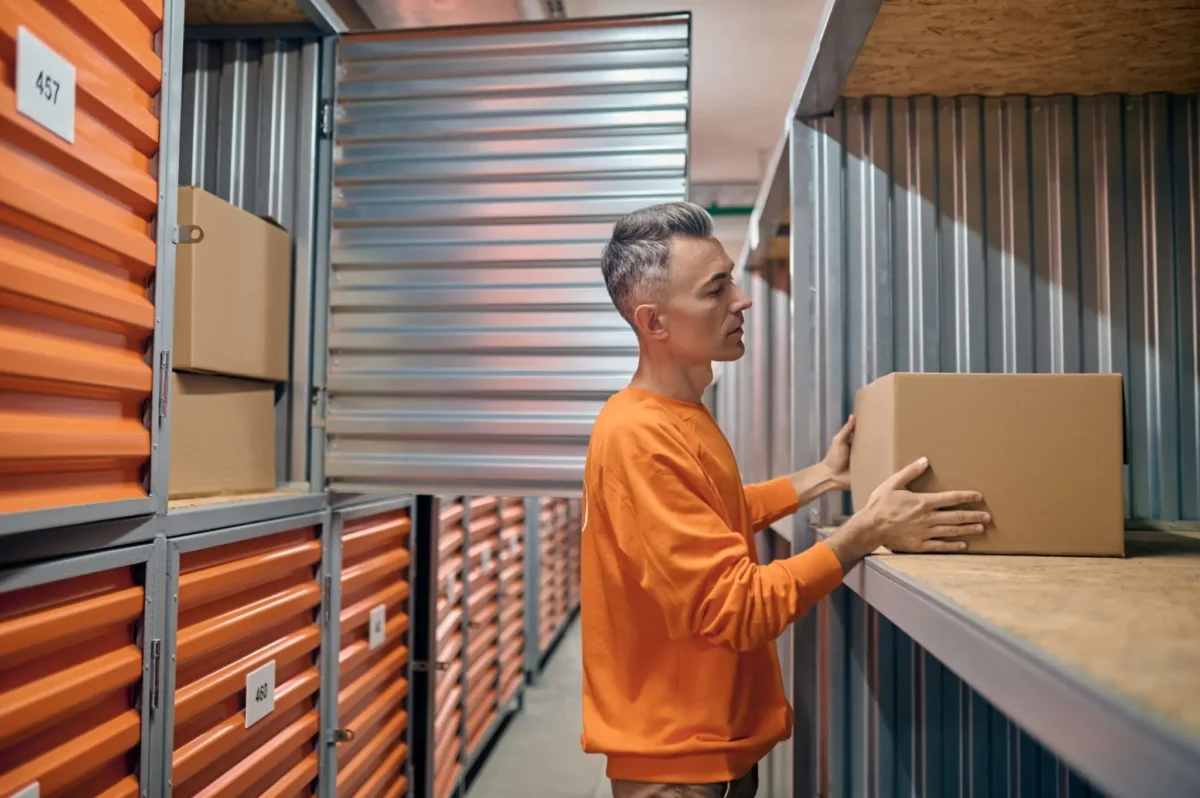

Why Self Storage in Dubai Is No Longer Optional
Dubai moves at a pace that most cities cannot match. Lease agreements end before new ones begin. Businesses pivot faster than their office space can accommodate. Expats arrive with full households and leave with tight deadlines. In this environment, self storage in Dubai has shifted from a luxury option to a practical necessity for thousands of residents and business owners every year.
Storage units Dubai give individuals and companies a secure, flexible, and cost-effective way to hold belongings without the overhead of permanent warehouse space. Whether you are between apartments in Jumeirah, renovating a villa in Arabian Ranches, clearing office space in Business Bay, or managing seasonal inventory across the UAE, a self storage unit gives you control over your property without long-term commitment.
This guide covers everything you need to know before booking a unit from the types of storage available in Dubai, to what affects monthly costs, to how businesses and residents use storage differently across the city.
Who Uses Self Storage in Dubai and Why
Self storage Dubai serves a wide range of customers, and understanding who uses it helps clarify whether it suits your situation.
Residents relocating between apartments form the largest segment of storage users in the city. When a lease ends and the new property is not yet available, tenants need a secure location for furniture, appliances, and packed boxes. A storage unit fills that gap without requiring emergency delivery arrangements or leaving valuables in transit.
Expats and international professionals represent another major user group. Dubai has one of the highest expatriate concentrations in the world, and many residents rotate between countries on multi-year contracts. When an overseas posting is cut short or delayed, a storage unit holds household contents at a fraction of the monthly cost of maintaining an apartment. Seasonal workers and remote professionals use storage to reduce accommodation size and overall living expenses during certain periods of the year.
Homeowners undergoing renovation projects consistently turn to self storage across Dubai communities including Mirdif, Al Barsha, and The Springs. Renovation work in villas and apartments requires full room clearance before contractors begin. Furniture, electronics, artwork, and fragile décor items cannot stay in the property during construction phases without risk of dust, paint, and physical damage. A climate-controlled storage unit keeps those items protected for the full duration of the project.
Business owners and e-commerce operators use storage units as flexible inventory space without the fixed cost and minimum lease requirements of commercial warehousing. Online sellers store stock, returns, and packaging materials in accessible units near courier pickup routes. Consultants and freelancers archive client files, equipment, and promotional materials in compact units without paying for dedicated office premises.
Types of Storage Units Available in Dubai
Storage facilities in Dubai categorise units by floor area and environmental conditions. Matching the correct unit type to your requirements protects your belongings and prevents overpaying for space you do not use.
Locker-sized units between 5 and 15 square feet hold documents, tools, luggage, seasonal clothing, and sports equipment. These compact units suit individuals who need secure access to a small collection of items on a regular basis.
Small units between 25 and 50 square feet accommodate the contents of a studio apartment, a bicycle, packaged boxes, and single furniture pieces. This size works well for residents downsizing temporarily or clearing one room during renovation.
Medium units between 50 and 100 square feet hold the contents of a one-bedroom or two-bedroom apartment, including a sofa, wardrobes, bed frames, dining furniture, and a full set of packed boxes. Medium units are the most commonly booked size across Dubai storage facilities.
Large units between 100 and 200 square feet accommodate the full contents of a three-bedroom villa or a furnished office. These units store bulky furniture, multiple appliances, large wardrobes, and stacked storage systems without crowding.
Drive-up bays exceeding 200 square feet serve commercial customers storing pallet-sized inventory, vehicles, heavy equipment, and event materials. Ground-level drive-up access reduces loading time significantly for high-volume deliveries.
Climate-Controlled Storage: Why It Matters in Dubai
Dubai summer temperatures regularly exceed 40 degrees Celsius between June and September. Storage areas without air conditioning reach temperatures that damage furniture finishes, warp wood, crack leather upholstery, degrade electronics, and cause mould growth on textiles and paper.
Climate-controlled storage units maintain internal temperature between 18 and 24 degrees Celsius and regulate humidity throughout the year. This environment protects wooden furniture, musical instruments, artwork, leather goods, electronic devices, archived documents, wine collections, and high-end clothing from the effects of heat and moisture.
Standard non-climate units remain suitable for metal tools, outdoor patio furniture, robust general cargo, and vehicles. Any item that would be affected by heat exposure or humidity fluctuation belongs in a climate-controlled unit regardless of storage duration. Even short-term storage during summer months poses a risk to sensitive items in unregulated environments.
Customers often underestimate how quickly heat damage accumulates in a standard unit during peak summer. A three-month gap between moves spanning June to August represents enough time to permanently damage solid wood furniture, electronics with plastic components, and fabric-upholstered items. Selecting a climate-controlled unit for that period costs more per month but eliminates the replacement cost of damaged belongings.
What Affects the Monthly Cost of Self Storage in Dubai
Storage unit pricing in Dubai is not fixed across the city. Several variables determine the monthly rate you pay, and understanding those variables helps you select the right facility at the right price point.
Unit size is the primary cost driver. Larger footprints command higher monthly rates. The price per square foot often decreases proportionally as unit size increases, meaning a 100-square-foot unit does not cost exactly double a 50-square-foot unit at the same facility.
Climate control adds a premium to the base monthly rate. Across Dubai facilities, climate-controlled units typically cost between 20 and 40 percent more than comparable standard units at the same location. The precise premium varies by facility, contract length, and unit floor level.
Location within Dubai influences pricing significantly. Facilities in central areas such as Downtown Dubai, Business Bay, Jumeirah Lake Towers, and Dubai Marina charge higher rates than facilities in industrial zones including Al Quoz, Jebel Ali, and Ras Al Khor. If you access your unit infrequently, choosing an outer-zone facility reduces monthly costs without reducing security or service quality.
Contract length affects per-month pricing at most Dubai storage providers. Month-to-month rates are higher per billing period than prepaid six-month or twelve-month contracts. Customers with a confirmed long-term need benefit from committing to an annual contract at the outset rather than renewing monthly.
Floor level and loading access influence price at multi-storey facilities. Ground-floor units with direct drive-up access command a premium over equivalent-sized upper-floor units that require lift access and trolley transport. For large furniture and palletised commercial goods, the convenience of ground-level access often justifies the higher rate.
Insurance coverage affects the total monthly cost depending on facility policy. Some Dubai providers include basic contents insurance within the monthly rate. Others charge insurance as a separate monthly fee or require tenants to hold a third-party contents policy independently. Confirm what is included before comparing rates across facilities.
VAT at 5 percent applies to storage unit rental in the UAE. Always confirm whether quoted monthly rates include VAT or exclude it. A rate that looks competitive before tax may be less so once VAT is added.
How to Prepare Furniture for Storage in Dubai
Furniture storage requires deliberate preparation to prevent damage during extended periods in a unit. Neglecting preparation costs significantly more in repair and replacement than the time spent protecting items correctly before storage.
Disassemble bed frames, wardrobes, large shelving units, and dining tables before transporting them to a storage facility. Disassembly maximises unit space, reduces the risk of structural stress during loading, and makes reassembly straightforward at the destination. Keep all screws, bolts, and fittings in sealed bags and tape them directly to the corresponding furniture piece with a label indicating what they belong to.
Wrap upholstered pieces including sofas, armchairs, and mattresses in breathable furniture covers rather than plastic sheeting. Plastic traps moisture against fabric and leather surfaces, creating conditions for mould growth even in a climate-controlled environment. Breathable woven covers protect against dust while allowing air circulation.
Store sofas on their base feet rather than standing them on their arms. Storing a sofa on its arm for extended periods compresses the internal frame unevenly and damages the arm structure. Vertical floor storage on the sofa’s feet maintains the original shape over a long rental period.
Elevate wooden furniture off the unit floor using pallets, timber offcuts, or purpose-made furniture risers. Ground contact in any storage environment creates condensation risk at the base of wooden legs, particularly during seasonal humidity changes. A small gap between the floor and the furniture base eliminates that contact point.
Place heavier items at the back of the unit and work toward the door with progressively lighter pieces. Stack boxes no higher than five layers to prevent base box compression. Store fragile items, electronics, and labelled boxes near the front of the unit where they can be reached without disturbing larger furniture.
Business Storage in Dubai: What Companies Need to Know
Commercial customers have different requirements from residential users, and most storage facilities in Dubai accommodate both. Understanding business-specific needs before selecting a facility prevents operational problems during the rental period.
Businesses typically store seasonal retail inventory between peak trading periods, archived financial and legal documents beyond their active use period, marketing materials and exhibition stands, IT equipment during office relocations, and hospitality supplies such as linen, catering equipment, and event furniture.
Commercial users require more frequent and flexible access than residential tenants. Businesses operating across shifts or managing inventory movements need facilities with early-morning to late-evening entry, and ideally 24-hour access for logistics-sensitive operations.
Companies holding regulated documents including financial records, client files, medical records, and legal materials must confirm that the chosen facility meets confidentiality and physical security requirements applicable to their industry. Access logs, CCTV coverage, and individual unit alarms all contribute to document security compliance.
Businesses planning high-volume loading and unloading movements benefit from facilities with drive-up bay access, pallet jack availability, and clear loading dock space. Upper-floor units accessed only by lift create bottlenecks when moving large quantities of inventory in or out within time-sensitive windows.
VAT-registered businesses in the UAE should confirm that the storage facility issues compliant tax invoices for monthly rental payments. VAT input credits on storage costs are recoverable for qualifying businesses under Federal Tax Authority guidelines.
Short-Term vs Long-Term Storage in Dubai
Storage duration directly affects preparation requirements, contract choice, and cost planning.
Short-term storage covering one to three months suits move transitions, renovation projects, and temporary overseas assignments. Month-to-month contracts provide full flexibility without financial commitment beyond the current billing period. Items stored short-term require standard packing and basic protection, but the risk of long-term deterioration is lower when retrieval occurs within a few months.
Medium-term storage covering three to six months applies to expats on fixed-term assignments, businesses between premises, and households held during extended renovation programs. A combination of standard packing preparation and climate-controlled unit selection protects items across this duration adequately. Prepaid quarterly contracts reduce the per-month cost compared to rolling monthly billing.
Long-term storage exceeding six months requires thorough preparation and regular condition checks. Electronics stored for extended periods benefit from moisture-absorbing sachets placed inside packaging before sealing. Wooden furniture should be cleaned and conditioned before storage, and units inspected annually to confirm no pest activity or moisture infiltration has occurred. Customers storing for twelve months or more should schedule a mid-term access visit to inspect items, check labels, and reposition pieces that may have shifted.
How to Choose the Right Self Storage Facility in Dubai
Not all storage providers in Dubai offer equivalent security, access conditions, or contract terms. Evaluating several criteria before committing to a facility reduces the risk of problems during the rental period.
Confirm that the facility operates 24-hour CCTV coverage across all internal corridors, not only at entry and exit points. Blind spots in corridor coverage reduce the deterrent value of surveillance for individual unit security.
Check whether individual unit alarms are standard or an optional extra charged to the tenant. Facilities that include unit-level alarms as standard provide stronger security than those relying only on perimeter and corridor systems.
Verify access hours against your retrieval needs before signing. Some facilities limit entry to business hours, which prevents early-morning, late-evening, or weekend retrieval. If your schedule requires flexible access, confirm this in writing before committing.
Ask the facility manager about the pest control program, inspection frequency, and what treatment is applied if an infestation is identified. Pest activity in storage units damages clothing, cardboard packaging, wooden furniture, and food-adjacent stored goods. A well-managed facility should be able to describe its pest management schedule clearly.
Review the insurance terms covering your stored items, including which goods categories are covered, the maximum declared value permitted, and the claims process in the event of damage or loss. Facilities that offer insurance without explaining exclusions clearly may leave customers without coverage for the items most at risk.
Inspect the loading area for lift availability, trolley provision, and loading bay clearance for large furniture before you book. A facility that cannot accommodate your largest item during move-in creates practical problems on the day of storage.
Items You Cannot Store in a Dubai Self Storage Unit
UAE regulations and facility insurance policies prohibit specific categories of goods in self storage units. Storing prohibited items voids the insurance coverage on all items in that unit and may result in immediate contract termination with no refund of prepaid fees.
Flammable and combustible liquids including fuels, thinners, solvents, and aerosol canisters are prohibited across all Dubai storage facilities without exception. Explosive materials, firearms, and ammunition are prohibited under UAE law and storage facility regulations simultaneously. Perishable food items attract pests, generate odours, and create hygiene problems that affect adjacent units. Live animals and plants cannot be stored in any self storage unit under any circumstances. Toxic chemicals, hazardous materials, and industrial waste require specialist regulated disposal, not storage. Illegal substances and counterfeit goods stored in a facility expose the tenant to criminal liability under UAE law.
Customers uncertain about whether a specific item can be stored should contact the facility before move-in day. A clear answer in writing protects both parties and prevents unexpected unit inspections or contract disputes.
Making the Right Storage Decision in Dubai
Self storage in Dubai works best when the unit type, location, and contract length are matched deliberately to the actual situation rather than selected by default. A resident relocating between apartments in Dubai Marina needs different specifications than a business storing quarterly inventory in Al Quoz. A family protecting furniture during a six-month villa renovation has different preparation requirements than a freelancer archiving documents for two years.
The variables that matter most are unit size against actual item volume, climate control against item sensitivity, facility location against access frequency, and contract structure against duration certainty. Addressing each of these four points before contacting a provider produces a clearer inquiry, a faster quote, and a more accurate monthly cost from the outset.
E Self Storage UAE provides climate-controlled and standard storage units across Dubai in sizes suited to single rooms, full villa contents, archived documents, and commercial inventory. Contact the team to request a unit quote and confirm availability for your required start date.
Also Read
- Innovative Technologies in Metalworking Equipment
- Liability Insurance Essentials for Growing Businesses
- Chihiro Meaning and Hiatus Meaning: Deep Origins, Modern Uses, and Real-Life Examples







Leave a Comment