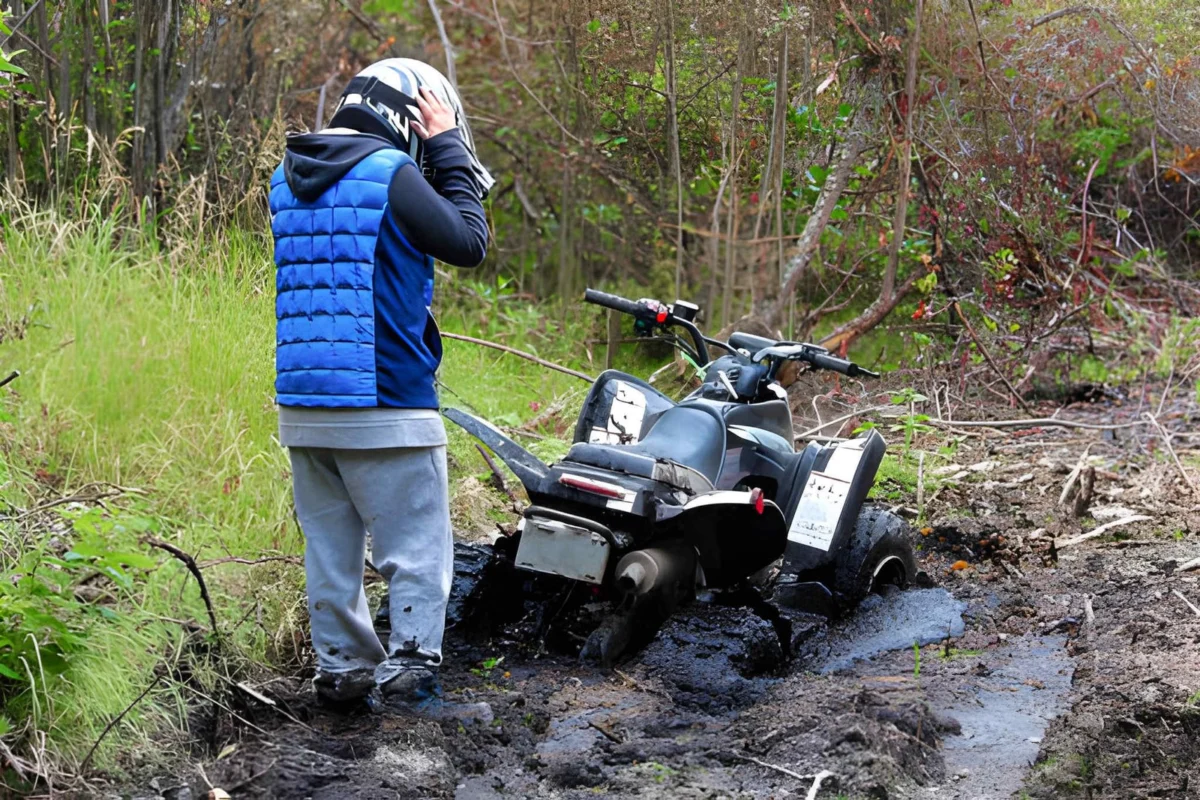

Understand your rights and options after an ATV accident in Ottawa. Learn about common causes, legal considerations, and how to seek rightful compensation.
When Off-Road Fun Turns into Serious Injury
The thrill of an ATV ride can quickly turn into a distressing situation when an accident occurs. Whether you’re enjoying a trail, working on a property, or simply exploring, the unpredictable nature of off-road vehicles and terrain can lead to significant injuries. Many riders face challenges recovering not only from physical pain but also from the complex aftermath, including medical bills, lost income, and the emotional toll of an accident.
Understanding ATV Accidents: Key Concepts
All-terrain vehicles (ATVs) are designed for off-road use, offering a unique recreational experience. However, their design and the environments in which they are used present inherent risks. Unlike standard motor vehicles, ATVs often lack safety features like seat belts and airbags, and their stability can be compromised on uneven or challenging surfaces. Statistics show a concerning number of serious and even fatal accidents occur annually across Canada, highlighting the critical need for awareness and caution.
Common Causes of ATV Accidents
Several factors contribute to ATV accidents. Understanding these can help riders take preventative measures and identify potential fault in the event of an incident.
- Unpredictable Terrain: Rough ground, unexpected obstacles, steep inclines, and slippery surfaces can easily lead to loss of control.
- Speed and Maneuverability: Excessive speed, especially when combined with sharp turns or sudden stops, can cause rollovers.
- Operator Error: Inexperience, distraction, or impairment can significantly increase the risk of an accident.
- Mechanical Failure: Malfunctioning brakes, tires, or steering components can lead to catastrophic failure.
- Environmental Factors: Poor visibility due to weather or darkness, and lack of proper signage on trails, can contribute to accidents.
Essential Safety Gear and Regulations
Adherence to safety regulations is paramount. In Ontario, specific rules are in place to protect riders.
- Helmet Use: Wearing an approved motorcycle helmet is mandatory for both drivers and passengers.
- Driver’s License: A valid driver’s license (at least G2 or M2) is required for on-road operation.
- Vehicle Maintenance: Ensuring the ATV is in good working order, with functional brakes and tires, is crucial.
- Riding Environment: Understanding the limitations of the ATV and the terrain is vital.
The Impact of ATV Accidents
The consequences of an ATV accident can be severe, ranging from minor abrasions to life-altering injuries like spinal cord damage, head trauma, and broken bones. The financial burden can be immense, encompassing:
- Emergency medical services and hospital stays.
- Rehabilitation and physical therapy.
- Lost wages due to inability to work.
- Long-term care needs and potential loss of earning capacity.
- Emotional distress and pain and suffering.
Common Mistakes and Misconceptions
Navigating the aftermath of an ATV accident often involves several pitfalls that can hinder recovery and compensation efforts.
- Delaying Medical Attention: Even minor-seeming injuries can worsen over time. Seeking prompt medical evaluation is crucial for both health and legal documentation.
- Speaking to Insurers Without Counsel: Insurance adjusters aim to protect the insurance company’s interests. Statements made without legal advice can be used against you.
- Assuming Fault Lies Solely with the Operator: Accidents can involve multiple parties, including manufacturers, property owners, or other vehicle operators.
- Not Documenting the Scene: Gathering photos of the accident site, the ATV, and any contributing factors can be invaluable evidence.
- Ignoring Legal Time Limits: There are strict deadlines for filing injury claims, and missing them can forfeit your right to compensation.
Practical Takeaways for Accident Victims
If you or someone you know has been involved in an ATV accident, these immediate steps can make a significant difference:
- Prioritize immediate medical care for all injuries, no matter how minor they seem.
- Collect as much information as possible at the scene, including photos, witness contact details, and the circumstances of the accident.
- Avoid discussing fault or admitting liability with anyone other than your legal representative.
- Keep detailed records of all medical treatments, expenses, and lost income.
- Consult with an experienced legal professional as soon as possible to understand your rights.
A Decision-Making Perspective for Injured Parties
When facing the aftermath of an ATV accident, the primary decisions revolve around securing your well-being and ensuring fair treatment. This involves making informed choices about medical care, financial recovery, and legal recourse. Understanding the complexities of personal injury law and the specific challenges associated with ATV accidents is vital. Seeking guidance from a qualified professional can clarify your options and help you navigate the process effectively. For those in the Ottawa area seeking assistance, engaging with an atv accident lawyer ottawa can provide the necessary expertise to pursue a just outcome.
Looking Ahead: Trends in ATV Safety and Regulation
The conversation around ATV safety is ongoing. As the popularity of these vehicles continues, there is a growing emphasis on enhanced safety features, stricter enforcement of existing regulations, and improved trail maintenance and signage. Education campaigns aimed at riders of all ages are also becoming more prevalent. These efforts collectively aim to reduce the incidence and severity of ATV accidents, making off-road adventures safer for everyone.
Read more: Understanding Toronto Home Equity Loans: A Homeowner’s Guide
Understanding Auto Insurance in Oshawa: A Practical Guide
Navigating Long-Term Disability Claims in Ontario: What You Need to Know

Grace Mitchell is a content writer at GrammerWay, focused on English grammar, clear writing, and common language mistakes. She creates simple, reader-friendly guides to help improve writing confidence.
Leave a Comment