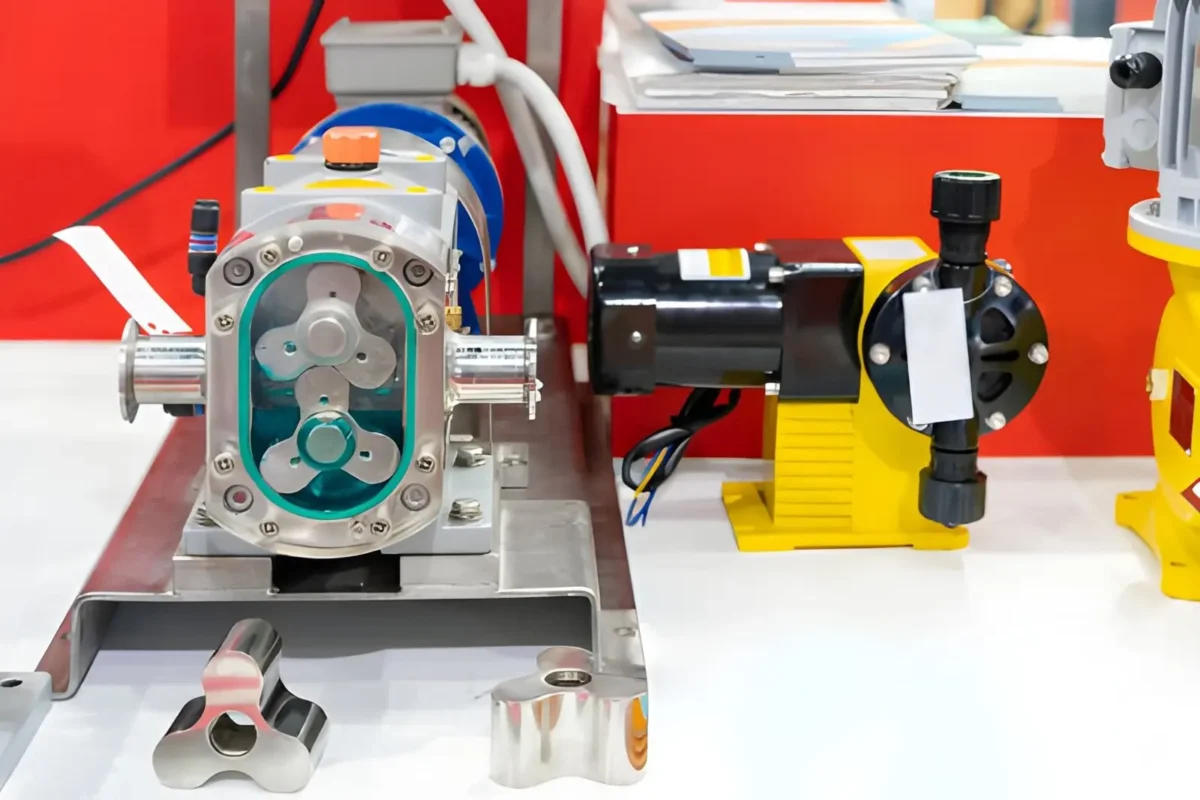

Efficient fluid handling is crucial in various industrial and laboratory applications. Among the many types of pumps available, peristaltic pumps have become a preferred choice due to their unique operational advantages. This article delves into the workings, benefits, and optimisation strategies for using these pumps in fluid handling systems.
Understanding Peristaltic Pump Mechanism
Peristaltic pumps operate on the principle of peristalsis, which mimics the natural process of squeezing and releasing within a tube to move fluid. A rotor with rollers or shoes compresses a flexible tube, pushing fluid forward as the rotor turns. This mechanism ensures that only the fluid inside the tube contacts the pump components, enhancing hygiene and reducing contamination risks.
Key Features of Peristaltic Pumps
The design of peristaltic pumps offers several features advantageous for fluid handling:
- Contamination-free pumping: Since the fluid only contacts the tubing, there is no risk of cross-contamination.
- Self-priming capability: These pumps can easily prime and handle fluids with entrained air.
- Excellent for viscous fluids: The gentle squeezing action handles viscous, shear-sensitive fluids without degradation.
- Reversible flow: Direction of fluid flow can be reversed by changing rotor direction.
- Simple maintenance: Tube replacement is straightforward and typically requires no pump disassembly.
Applications of Peristaltic Pumps in Various Industries
Given these features, peristaltic pumps are widely used across many sectors. In laboratories, their contamination-free characteristics make them ideal for handling sterile or hazardous fluids. In the pharmaceutical and biotechnology industries, precise dosing and sterile conditions are often prerequisites, which peristaltic pumps readily satisfy.
In the food and beverage industry, these pumps facilitate the transfer of fluids like juices or dairy products without risk of contamination or degradation. Industrial applications include chemical transfer, wastewater treatment, and slurry handling where abrasion resistance and chemical compatibility are necessary.
Optimising Peristaltic Pump Performance
To gain the maximum benefits from peristaltic pumps, optimising their performance based on application demands is essential. This includes selecting appropriate tubing materials resistant to the fluid in use, considering the pump size and flow rate requirements, and configuring the pump speed for desired output.
Maintaining tubing integrity is critical; wear or fatigue can affect pumping efficiency and result in leaks. Regular inspection and timely replacement of tubing enhance pump longevity and reliability.
Tubing Material Selection
The choice of tubing material must align with the chemical properties of the fluid. Common materials include silicone, polyurethane, and thermoplastic elastomers. Each material offers varying degrees of flexibility, chemical resistance, and durability, which influence pump operation and maintenance intervals.
Flow Rate and Pressure Considerations
Understanding the flow rate requirements is fundamental when configuring a peristaltic pump system. Over-speeding the pump may cause premature tubing wear, whereas operating below optimal speeds may reduce efficiency.
Additionally, these pumps perform well in low to moderate pressure environments. For high-pressure applications, careful assessment of tubing and pump limitations is necessary to prevent failures.
Advantages Over Other Pump Types
Unlike centrifugal or gear pumps, peristaltic pumps excel where contamination-free and gentle fluid handling is paramount. Their capability to handle solids in suspension without clogging is another significant advantage. Furthermore, they do not require seals or valves, reducing potential leak points and maintenance needs.
Challenges and Limitations
While beneficial, peristaltic pumps have limitations. Tubing lifespan depends on fluid type and operation conditions, necessitating regular monitoring. They also generally offer lower flow rates and pressures compared to other pump types, which may restrict their use in certain large-scale industrial processes.
Technological Innovations
Recent advancements have improved peristaltic pump designs, incorporating variable speed controls and smart monitoring systems. These technologies allow for precise control over flow rates and early detection of tubing wear, enhancing overall system efficiency.
Installation and Maintenance Tips
Proper installation requires ensuring correct alignment of the tubing and rotor to prevent uneven wear. Operators should regularly inspect tubing for signs of fatigue or damage and replace as necessary to maintain hygienic and efficient operation.
Training personnel on routine maintenance and operational procedures can significantly reduce downtime and extend pump service life.
Safety and Compliance
In sensitive environments such as pharmaceutical manufacturing, compliance with regulatory standards is vital. Peristaltic pump systems offer design flexibility that facilitates adherence to hygiene and safety protocols.
Cost Considerations
Initial investment in peristaltic pumps may be higher than some alternatives, but their low maintenance costs and operational benefits often justify the expenditure over time. Additionally, reduced downtime and contamination risks contribute to overall cost-effectiveness.
Conclusion
Peristaltic pumps represent a versatile and reliable option for optimising fluid handling across a spectrum of applications. Their unique operation ensures contamination-free pumping, ease of maintenance, and adaptability to diverse fluids. By understanding their features, limitations, and maintenance requirements, industries can leverage these pumps to enhance process efficiency and product quality.
Also Read
- Innovative Technologies in Metalworking Equipment
- Liability Insurance Essentials for Growing Businesses
- Why a One Off Boiler Service Before Winter Is One of the Smartest Things You Can Do







Leave a Comment