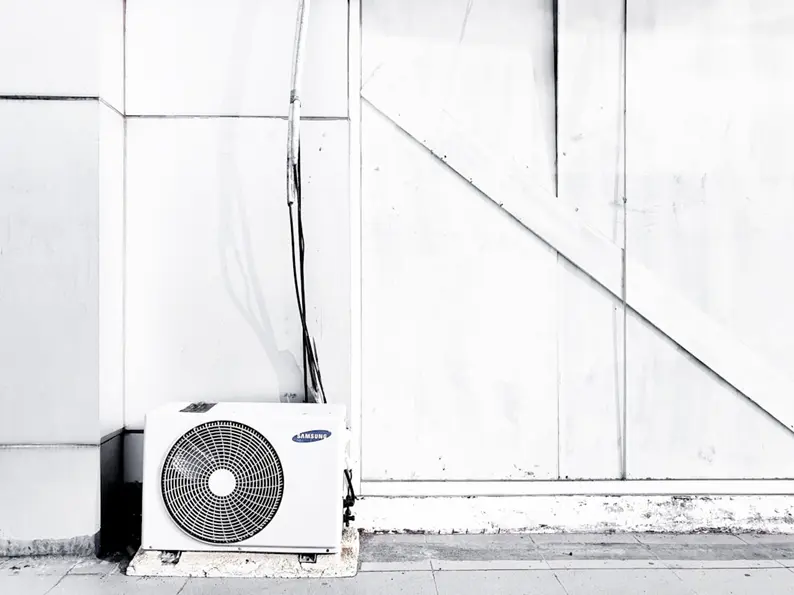

The Core Components of Residential Plumbing and HVAC Systems
Imagine this: it’s the middle of summer, and you switch on your air conditioner, expecting a rush of cool, refreshing air. Instead, you’re met with a blast of warm, stale air. Few things are as frustrating as an AC unit blowing hot air when you need it most. This common problem can quickly turn your comfortable home into an unbearable space, impacting your family’s comfort and even your energy bills.
We rely heavily on our home’s essential systems for daily comfort and well-being. From clean water flowing through pipes to perfectly conditioned air circulating indoors, these critical components work tirelessly behind the scenes. Understanding how your residential plumbing and HVAC systems operate, and what to do when they falter, is key to maintaining a healthy and comfortable living environment.
In this comprehensive guide, we’ll dive deep into the common reasons why your AC might be blowing hot air. We’ll explore simple checks you can perform, discuss when to call a professional, and highlight the crucial role of regular maintenance in preventing these issues. Our goal is to equip you with the knowledge to troubleshoot common problems and ensure your home remains an oasis of comfort, no matter the season.
Our homes are complex ecosystems, and at their heart are the plumbing and HVAC systems, working in tandem to provide comfort and functionality. While seemingly distinct, these systems share a fundamental goal: to regulate the environment within our living spaces. Plumbing ensures a steady supply of clean water and efficient waste removal, vital for hygiene and daily tasks. Meanwhile, the HVAC system controls indoor climate, maintaining comfortable temperatures and good air quality throughout the year.
The synergy between these systems is often underestimated. For instance, water heaters, a key plumbing component, provide hot water that can also be used in some heating systems. Conversely, a well-maintained HVAC system contributes to a stable indoor temperature, which can indirectly affect the efficiency and longevity of plumbing components by preventing extreme temperature fluctuations that might lead to pipe issues. Maintaining optimal indoor air quality, which is a primary function of HVAC, also impacts overall home health. When these systems are properly installed and regularly serviced, they create a harmonious and efficient living environment.
Understanding the basic maintenance schedules for both is crucial for homeowners. Regular attention to both plumbing and HVAC can prevent minor issues from escalating into major, costly repairs.
Developing a consistent home maintenance routine helps protect your property value and reduces the frequency of emergency plumbing issues. When unexpected performance variations occur in your cooling or heating system, consulting a qualified HVAC contractor ensures that internal mechanical elements remain properly calibrated. Proactive equipment evaluations support stable airflow throughout your space, which helps preserve daily indoor comfort and controls unexpected energy expenses over time.
Establishing a relationship with a skilled plumbing company serving Vancouver WA can make managing these household routines much easier. Local professionals understand the regional weather patterns and specific infrastructure challenges that properties face, allowing them to provide targeted maintenance. Keeping up with seasonal plumbing assessments alongside your heating and cooling tune-ups supports the overall structural health of your property.
Developing a consistent strategy for scheduled upkeep helps homeowners protect their property from unexpected equipment stress and premature wear. When complex mechanical issues arise or performance declines, it is beneficial to get in touch with experienced specialists who can diagnose the system safely. Prompt attention to early signs of wear keeps minor system faults from creating lasting operational disruptions.
Troubleshooting an AC Blowing Hot Air
Few household issues are as disruptive as an air conditioner that suddenly starts blowing warm air, especially during peak summer months. This problem not only compromises your comfort but can also lead to increased energy consumption as the unit struggles inefficiently. When your AC malfunctions in this way, it’s a clear signal that something is amiss within its intricate cooling cycle. Ignoring these warning signs can exacerbate the underlying problem, potentially causing more significant damage and necessitating more extensive repairs down the line.
Before panicking, it’s helpful to understand the common culprits behind this issue. Many factors, ranging from simple user errors to complex mechanical failures, can prevent your AC from delivering the cool air you expect. We’ll explore these causes in detail, empowering you with the knowledge to perform initial diagnostic checks. Early detection and intervention can often save you from prolonged discomfort and unnecessary expenses.
Thermostat and Electrical Issues in Residential Plumbing and HVAC
One of the simplest yet most overlooked reasons for an AC blowing hot air stems from thermostat and electrical issues. Your thermostat acts as the brain of your HVAC system, dictating when and how your AC unit operates. If it’s misconfigured, it can send incorrect signals, leading to warm air output. For instance, if the thermostat is accidentally set to “heat” mode instead of “cool,” or if the fan setting is on “on” rather than “auto,” the system might circulate air without engaging the cooling components, or even actively heat the air. A faulty thermostat sensor can also send inaccurate temperature readings, causing the AC to believe the desired temperature has been reached when it hasn’t. We always recommend homeowners double-check their thermostat settings and ensure the batteries are fresh, as these are quick and easy fixes.
Beyond the thermostat, electrical problems can severely impact your AC’s performance. The outdoor unit, which houses the condenser and compressor, requires a steady supply of electricity to function. A tripped circuit breaker is a common culprit, cutting power to the outdoor unit while the indoor fan continues to run, circulating warm air. Similarly, a malfunctioning capacitor, which provides the initial jolt of electricity needed to start the compressor and fan motors, can prevent these critical components from operating. Issues with wiring, such as frayed connections or blown fuses within the AC unit itself, can also interrupt the power flow, leading to a complete breakdown in the cooling process. Addressing these electrical concerns often requires a professional touch, as working with high voltage can be hazardous.
Air Filters and Evaporator Coils
The condition of your air filters and evaporator coils plays a critical role in your AC’s ability to cool effectively. A dirty or clogged air filter is a very common cause of reduced cooling performance and can even lead to your AC blowing hot air. When the filter is choked with dust, pet dander, and debris, it severely restricts airflow over the evaporator coils. This blockage forces the AC unit to work harder, decreasing efficiency and potentially causing the system to overheat. The reduced airflow also hinders the evaporator coil’s ability to absorb heat from the indoor air.
This lack of proper heat exchange can lead to a more serious problem: frozen evaporator coils. When not enough warm air passes over the coils, their temperature can drop below freezing. Moisture in the air then condenses and freezes on the coils, forming a layer of ice. Once the evaporator coils are encased in ice, they lose their ability to absorb heat from the air, effectively stopping the cooling process. Consequently, the air that does manage to pass through the system will not be cooled and may even feel warm. We advise homeowners to check their air filters monthly, especially during heavy usage periods, and replace them every one to three months to maintain optimal airflow and prevent coil freezing. Regular routine filter replacement is a simple yet highly effective preventative maintenance step that can save you from significant discomfort and repair costs.
Refrigerant Leaks and Compressor Failures
Among the more serious causes of an AC blowing hot air are refrigerant leaks and compressor failures. Refrigerant is the lifeblood of your AC system; it’s the chemical compound that absorbs heat from your indoor air and releases it outside. If your system develops a leak, the refrigerant levels will drop, making it impossible for the AC to properly absorb and transfer heat. Signs of a refrigerant leak can include a hissing or bubbling sound, ice buildup on the evaporator coils, or a noticeable decrease in cooling efficiency coupled with higher energy bills. Refrigerant leaks are not only detrimental to your AC’s performance but can also pose health hazards. Federal regulations, specifically Section 608 of the Clean Air Act, prohibit the handling of refrigerants by unlicensed individuals due to their environmental impact and potential dangers. Therefore, if you suspect a refrigerant leak, it is imperative to turn off your AC unit immediately and contact a certified HVAC professional.
The compressor is often referred to as the heart of your AC system. Its function is to compress the refrigerant, raising its temperature and pressure so it can effectively circulate through the system and facilitate heat transfer. If the compressor fails, the entire cooling cycle comes to a halt. A damaged or non-functional compressor means the refrigerant cannot be properly circulated, and thus, no heat can be removed from your home. Symptoms of a failing compressor can include a loud clicking or grinding noise from the outdoor unit, the unit struggling to start, or simply the AC blowing consistently warm air despite other components appearing to function. Compressor replacement is a complex and often costly repair, typically necessitating the expertise of a qualified HVAC technician. The lifespan of a compressor, much like the entire AC unit, is generally between 10 to 15 years, and its failure often prompts a discussion about whether to repair or replace the entire system.
Preventative Maintenance for Home Systems
Proactive care is the cornerstone of ensuring the longevity and efficient operation of your home’s essential systems. Just as you wouldn’t neglect regular oil changes for your car, your residential plumbing and HVAC systems require consistent attention to perform optimally. Preventative maintenance isn’t merely about fixing problems; it’s about anticipating and averting them before they arise. Regular servicing helps identify minor issues, such as loose connections or worn components, before they escalate into major breakdowns that disrupt your comfort and strain your budget.
For your AC unit, annual tune-ups are particularly vital. These comprehensive checks involve cleaning coils, inspecting electrical components, checking refrigerant levels, and ensuring all moving parts are functioning correctly. Such routine care significantly extends the equipment’s lifespan, maintains energy efficiency, and prevents common issues like blowing hot air. Beyond the AC, elements like ductwork inspection for leaks or blockages, and ensuring drain lines are clear, contribute to the overall health of your entire home climate system. Investing in preventative maintenance now can save you considerable stress and expense in the long run, ensuring your home remains a haven of comfort.
Seasonal Care for Residential Plumbing and HVAC Systems
Adapting your maintenance routine to the changing seasons is a smart strategy for homeowners. Each season presents unique challenges and demands on your residential plumbing and HVAC systems.
As spring arrives and temperatures begin to climb, it’s the ideal time for spring AC prep. This involves scheduling a professional tune-up to ensure your air conditioning unit is ready for the summer heat. Technicians will clean the condenser coils, which can accumulate dirt and debris over the cooler months, hindering their ability to dissipate heat effectively. They’ll also check refrigerant levels, inspect electrical connections, and lubricate moving parts. This pre-season servicing is crucial for preventing your AC from blowing hot air when you need it most.
Conversely, as autumn approaches, preparing for colder temperatures becomes paramount. Winterization efforts include inspecting your heating system, ensuring it’s ready for continuous operation. For plumbing, pipe insulation is a critical step to prevent freezing and bursting pipes, especially in exposed areas like basements, crawl spaces, or outdoor spigots. Draining outdoor hoses and shutting off water to exterior faucets can also prevent costly damage.
Throughout the year, consistent maintenance practices, such as regularly changing air filters and keeping outdoor condenser units clear of obstructions, contribute significantly to the efficiency and reliability of your entire home climate control system. These seasonal checks and preventative measures are essential for smooth operation and avoiding unexpected breakdowns.
When to Repair vs. Replace Your AC Unit
Deciding whether to repair a malfunctioning AC unit or invest in a full replacement is a common dilemma for homeowners. This decision often hinges on several factors, including the equipment’s age, the frequency and cost of repairs, and its current energy efficiency.
The average lifespan of a central AC unit is typically between 12 to 15 years. If your unit is approaching or has exceeded this age, and you’re experiencing frequent breakdowns, a replacement might be the more cost-effective long-term solution. Older units tend to be less energy-efficient, meaning they consume more electricity to achieve the same cooling effect as newer, more efficient models. This can lead to significantly higher energy bills over time.
Consider the “50 percent rule”: if the cost of a repair is more than 50 percent of the cost of a new unit, it’s generally advisable to replace it. For example, if a major component like the compressor fails, the repair can be substantial. If the unit is relatively new (under 10 years old) and still under warranty, repairing it is usually the preferred option. However, if you’re facing a series of expensive repairs on an aging system, those cumulative costs can quickly outweigh the investment in a new, more reliable, and energy-efficient unit. Evaluating the equipment’s lifespan, the frequency of breakdowns, and the impact on your energy bills will guide you toward the most sensible decision for your home and budget.
Frequently Asked Questions About Home Climate Systems
Homeowners often have many questions when their AC isn’t performing as expected. Understanding the answers to these common inquiries can empower you to take appropriate action, whether it’s a simple DIY fix or knowing when to call in the professionals. Addressing these concerns promptly helps maintain home comfort and prevents further system damage.
Why is my AC vent blowing hot air even when it is turned off?
This is a particularly perplexing issue that can leave homeowners scratching their heads. If your AC vent is blowing hot air even when the system is supposedly off, there are a few potential explanations. One common reason is delayed air circulation. After your AC unit completes a cooling cycle and shuts off, the fan might continue to run for a short period to clear any residual cool air from the ducts. However, if this air circulation persists for too long, or if it draws in ambient air from unconditioned spaces (like an attic or crawl space) due to duct leaks, it can feel like warm air is being pushed through the vents.
Another possibility involves a thermostat sensor malfunction. If the sensor is faulty, it might send incorrect signals to the system, causing the fan to operate erratically or engage components even when the cooling function is disengaged. Electrical relay issues within the AC system can also cause unintended fan operation. A sticking relay might keep the blower fan running continuously, circulating air that hasn’t been conditioned. Lastly, simply ambient air drift can occur, especially if there are significant temperature differences between your conditioned living space and the unconditioned areas surrounding your ductwork. Air can naturally move through the duct system even when the fan is off, bringing in warmer air from outside or from other parts of the house. In such cases, if you’ve checked your thermostat and the fan is definitely off, it’s wise to consult an HVAC professional to diagnose potential electrical or ductwork issues.
Can a dirty air filter cause my air conditioner to freeze up?
Absolutely, a dirty air filter is one of the leading causes of an air conditioner freezing up, which in turn can lead to the unit blowing hot air. The mechanism is quite straightforward: the air filter’s primary job is to remove dust, dirt, and allergens from the air before it enters your HVAC system. When this filter becomes clogged with an excessive buildup of debris, it significantly restricts the airflow across the evaporator coils.
With insufficient warm air flowing over them, the evaporator coils cannot properly absorb heat from your home’s indoor air. As a result, the refrigerant inside the coils gets too cold, causing the coil’s surface temperature to drop below freezing. Moisture present in the air then condenses and freezes onto the coils, creating a layer of ice. Once the coils are covered in ice, they lose their ability to absorb any heat, effectively stopping the cooling process. The air that then attempts to pass through the system is no longer cooled and may even feel warmer as it circulates through your home. This restricted airflow and subsequent ice accumulation can put immense strain on your AC unit, potentially leading to a complete system shutdown and costly repairs. Regular, routine filter replacement is a simple and inexpensive preventative measure that can largely avert this common issue.
When should I call a professional technician for AC issues?
While some AC issues can be resolved with simple homeowner checks, many problems require the specialized knowledge and tools of a professional HVAC technician. Knowing when to call in an expert can save you from further damage, potential safety hazards, and prolonged discomfort.
You should definitely call a professional if you suspect a refrigerant leak. As discussed, refrigerants are hazardous chemicals, and federal law mandates that only EPA-certified technicians can handle them. Attempting to “top off” refrigerant yourself is illegal and dangerous. Similarly, any persistent electrical diagnostics beyond simply resetting a tripped breaker should be left to certified electricians or HVAC professionals. Issues like a faulty capacitor, relay, or complex wiring problems require expert troubleshooting to prevent electrical fires or further damage to the unit.
A failing compressor replacement is another scenario that absolutely demands professional intervention. This is a highly complex and labor-intensive repair that involves specialized equipment and knowledge of the AC’s intricate internal workings. If your AC unit is experiencing persistent short-cycling (turning on and off frequently), or if you’ve performed all basic troubleshooting steps (thermostat check, filter replacement, outdoor unit cleaning) and the unit is still blowing hot air, it’s time to call a technician. They have the diagnostic tools to pinpoint underlying issues, such as a clogged condensate drain line, ductwork leaks deep within your system, or other mechanical failures that are not visible or easily accessible to homeowners. Ignoring these persistent problems can lead to complete system failure, making professional assessment crucial for maintaining your AC’s performance and longevity.
Conclusion
Maintaining your residential plumbing and HVAC systems is not just about convenience; it’s about safeguarding your home’s comfort, efficiency, and long-term value. From understanding why your AC might be blowing hot air to recognizing the critical role of clean air filters and properly functioning components, being informed empowers you to make proactive decisions.
We’ve explored the common culprits behind AC malfunctions, from simple thermostat misconfigurations and clogged filters to more complex issues like refrigerant leaks and compressor failures. We’ve also highlighted the invaluable benefits of preventative maintenance, emphasizing that regular tune-ups and seasonal care are your best defense against unexpected breakdowns.
By embracing proactive maintenance, you not only extend the lifespan of your equipment but also ensure consistent home comfort and improve overall system reliability. Don’t wait for a scorching summer day to discover your AC is failing. Instead, commit to a routine of care and know when to enlist the expertise of certified professionals. This approach guarantees optimal long-term performance for your essential home systems, providing you and your family with peace of mind and an oasis of comfort, no matter what the weather brings.
Also Read-Expert TV Mounting in Brisbane: Enhance Your Home Entertainment Setup



Leave a Comment