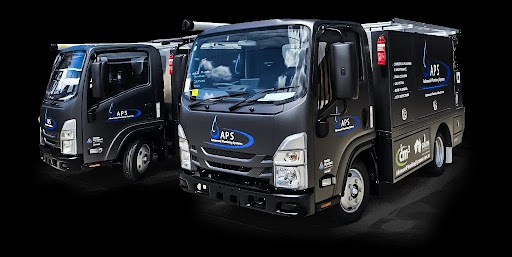

In today’s fast-paced business environment, the need for efficient fleet solutions has become increasingly critical. Companies are constantly seeking ways to streamline their operations to enhance both productivity and profitability. By utilizing cutting-edge fleet management solutions, businesses can enjoy greater control over their vehicles, reduce operational costs, and improve delivery timelines.
Understanding Fleet Solutions
Fleet solutions encompass a broad range of services designed to manage a company’s vehicle fleet efficiently. These services typically include vehicle financing, telematics, maintenance management, fuel management, and more. By integrating these components into a cohesive strategy, businesses can optimize their fleet operations and address challenges such as high fuel costs and stringent environmental regulations.
The Benefits of Fleet Management
Effective fleet management delivers several advantages. It allows companies to monitor and manage their vehicles remotely, ensuring timely servicing and reducing the risk of unexpected breakdowns. Additionally, it enhances safety by tracking driver behaviour and implementing measures to address risky driving practices. By implementing fleet management systems, companies can also improve route planning, which reduces fuel consumption and emissions.
Technological Advancements in Fleet Solutions
The advent of technology has significantly transformed the field of fleet solutions. Advanced telematics systems offer real-time data on vehicle location, speed, and performance, providing businesses with invaluable insights. These systems enable predictive maintenance, which can dramatically reduce operational downtime and extend the lifespan of vehicles.
The Role of Telematics
Telematics is at the heart of modern fleet management solutions. This technology combines GPS tracking and onboard diagnostics, allowing companies to make data-driven decisions. Managers can oversee vehicle location, status, and driver behaviour, which is crucial for improving efficiency and reducing costs.
Environmental Considerations
With growing awareness of environmental issues, businesses are increasingly focusing on sustainability. Fleet solutions now often include eco-friendly options such as electric vehicles and hybrid models. These alternatives not only reduce carbon footprints but can also result in substantial savings on fuel and maintenance.
Cost Management
One of the primary goals of fleet solutions is cost reduction. By employing efficient management strategies, companies can cut fuel expenses, reduce maintenance costs, and extend vehicle lifespan. This results in a stronger bottom line and increased competitiveness in the market.
Enhancing Employee Productivity
Fleet solutions also play a critical role in enhancing employee productivity. By providing drivers with reliable vehicles and optimizing routes, businesses can ensure timely deliveries and service completion, which enhances customer satisfaction and drives further business growth.
Customised Solutions for Diverse Needs
Businesses have diverse operational requirements, and fleet solutions are often customised to meet individual company needs. Whether the focus is on large-scale logistics or smaller local deliveries, tailored strategies can provide optimal results.
Data-Driven Insights for Better Decision-Making
The data collected through fleet management systems allow for detailed analysis and strategic planning. Companies can identify patterns, assess efficiency, and make informed decisions to drive improvement and growth.
Implementing Fleet Management Systems
Choosing and implementing the right fleet management system can be a complex process, but with the right partner, businesses can seamlessly integrate these solutions into their operations. The key is to find a system that aligns with the company’s objectives and operational style.
The Future of Fleet Solutions
As technology continues to evolve, the future of fleet solutions looks promising. Innovations such as autonomous vehicles and advanced AI-driven analytics are on the horizon, offering even greater potential for efficiency and cost savings.
Challenges in Fleet Management
Despite numerous advantages, fleet management is not without challenges. Issues such as initial set-up costs, technological integration, and employee adaptation require careful consideration. However, with strategic planning, these challenges can be effectively managed.
Choosing the Right Provider
The success of fleet solutions heavily depends on selecting the right provider. Partnering with an experienced company can provide the necessary expertise, support, and technology to maximise the benefits of fleet management.
Conclusion
In conclusion, innovative fleet solutions offer significant potential to optimise business operations. By leveraging modern technology, companies can not only enhance their operational efficiency but also contribute positively to environmental sustainability. As the landscape of fleet management continues to evolve, businesses that adapt and invest in these solutions will likely see substantial gains in both performance and profitability.
Read more: Ensuring Safety with Professional Asbestos in Air Testing: A Comprehensive Guide
Discover Premium Quality at Campbelltown Butchery & Chicken
The Ultimate Guide to Building a Granny Flat in Sydney with Bungalow Homes

Leave a Comment