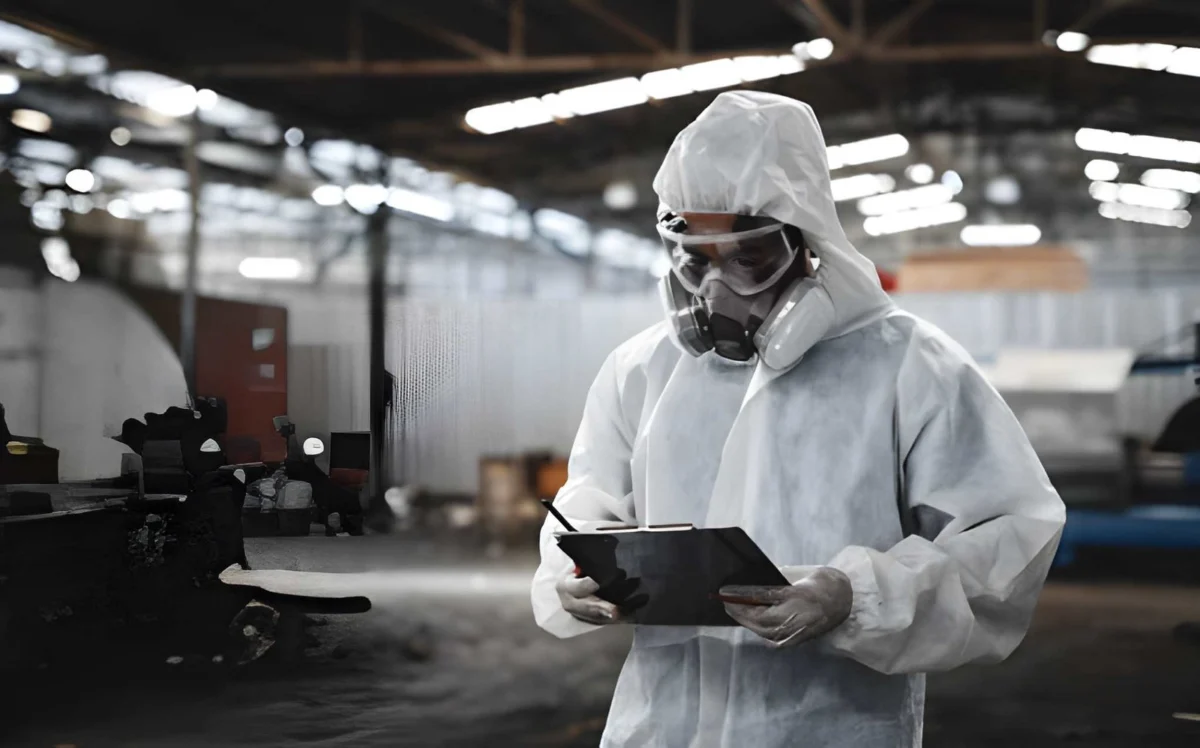

Asbestos is a hazardous material that was widely used in construction and various industries due to its durability and resistance to heat. Despite its beneficial properties, it poses serious health risks when its fibres are airborne and inhaled. Therefore, conducting an asbestos in air test is crucial in identifying and managing these risks effectively.
Understanding Asbestos Risks
Asbestos exposure is linked to severe respiratory diseases, including asbestosis, lung cancer, and mesothelioma. These health conditions often develop years after initial exposure, making early detection and prevention pivotal.
The Importance of Professional Testing
Professional asbestos air testing ensures that the concentration of asbestos fibres in the air is accurately measured. Experienced consultants use specialised equipment and techniques to detect even the smallest fibres that are invisible to the naked eye.
The Testing Process
Initial Assessment
The process begins with an initial site assessment to identify potential sources of asbestos contamination. This involves a visual inspection and gathering information about the building’s history and materials used.
Air Sampling
Following the assessment, air samples are collected. The sampling equipment used is designed to capture suspended particles in the air over a specified period.
Laboratory Analysis
The collected samples are then analysed in a laboratory setting. Professional laboratories use sophisticated methods, such as phase contrast microscopy (PCM) or transmission electron microscopy (TEM), to accurately quantify asbestos fibre concentration.
Post-Testing Procedures
Analysing Results
The results from the laboratory are used to assess the asbestos risk level. This analysis is critical for determining if remedial actions are needed to reduce fibre concentrations to acceptable levels.
Remediation Plans
If high levels of asbestos are detected, a remediation plan is developed. These plans aim to either remove or contain the asbestos materials according to regulatory standards to prevent further exposure.
Legal and Safety Compliance
Conducting professional asbestos in air testing is not only a safety measure but also a legal requirement in many jurisdictions. Compliance with these laws ensures that building occupants and workers are protected from potential asbestos exposure.
Choosing a Reliable Testing Service
When selecting a testing service, ensure the provider is accredited and experienced in handling asbestos. A reliable firm will offer comprehensive testing and consulting services to address all safety concerns effectively.
The Role of Technology in Testing
Advancements in technology have improved the accuracy and efficiency of asbestos air testing. Modern equipment and analytical methods have enhanced the ability to detect and measure asbestos fibres, leading to better protection and management strategies.
Conclusion
The importance of conducting a professional asbestos in air test cannot be overstated. It is essential for maintaining safety and compliance, protecting health, and ensuring peace of mind in environments where asbestos may be present.
Further Reading
For more detailed information and professional advice, consult trusted sources or contact a specialised asbestos testing and consulting service.
Read more: Discover Premium Quality at Campbelltown Butchery & Chicken
The Ultimate Guide to Building a Granny Flat in Sydney with Bungalow Homes
Maximizing Efficiency with Portable Chillers: The Ultimate Cooling Solution

Leave a Comment