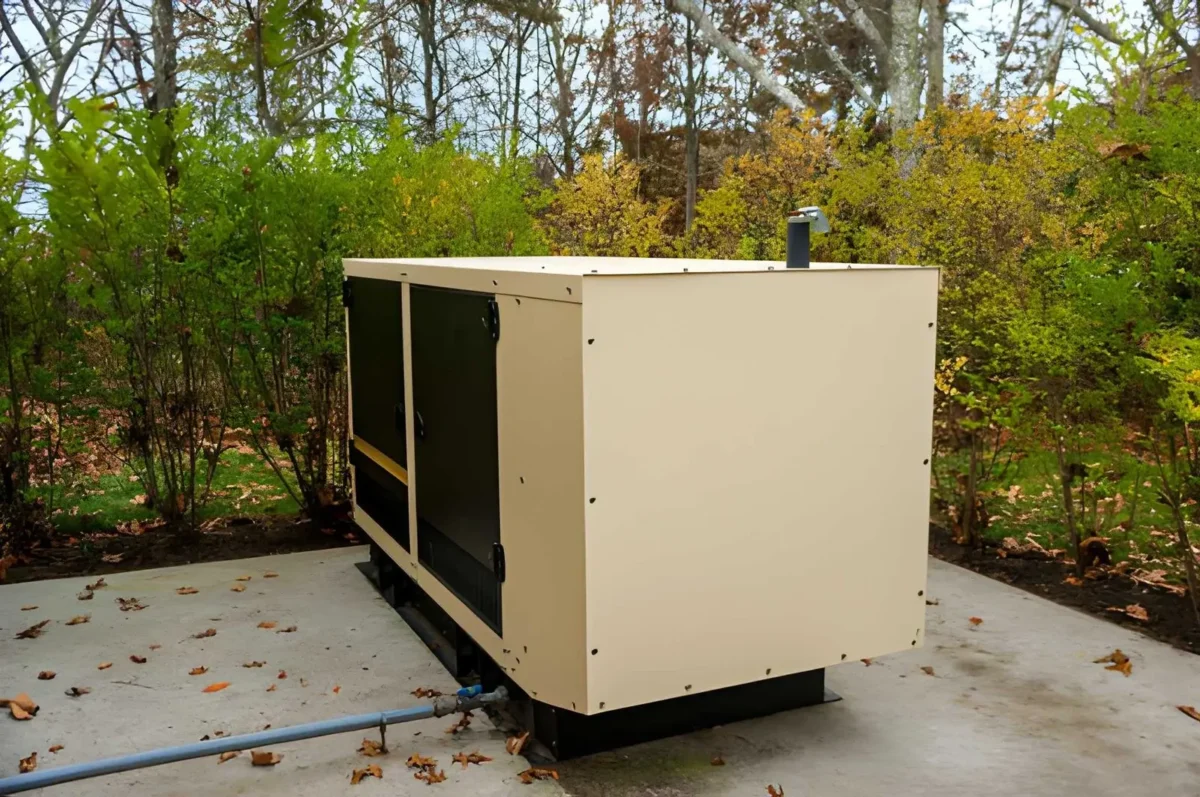

When the lights go out, a standby generator is only as dependable as the planning behind it. Home size alone doesn’t determine the right unit, and focusing on one major appliance rarely tells the whole story. Reliable backup power comes from matching generator capacity to actual appliance behavior, pairing it with a compatible automatic transfer switch (ATS), and confirming the fuel supply can support the engine when demand is highest. This article explains the practical decisions that shape a dependable installation for Kohler standby generators and comparable residential systems, helping homeowners avoid problems such as voltage drops during compressor starts, unnecessary transfer switch trips, or inadequate fuel delivery when several appliances operate at once.
Start With Actual Loads, Not Square Footage
Begin by listing the specific circuits and appliances you want to keep operating during an outage. These may include HVAC equipment, a well or sump pump, refrigerators and freezers, cooking appliances, medical devices, and home office equipment that cannot easily go offline.
Record whether each appliance runs on 120 or 240 volts, and review manufacturer information on normal and starting demand. Motors and compressors can require considerably more power during startup than during normal operation. This temporary surge is where many generator sizing problems appear.
Air conditioning compressors, heat pumps, and deep well pumps are common examples. If the generator cannot handle the temporary starting demand, homeowners may notice flickering lights, voltage changes, or equipment that fails to start.
Some systems may benefit from approved compressor starting assistance or load management controls that temporarily delay nonessential loads while a large motor starts. Qualified professionals should always confirm compatibility rather than assume it.
Many homeowners begin with a formal load calculation performed by a licensed electrician or a Genstar Generator Service Kohler dealer. A proper calculation considers motor-starting demand, 240-volt appliances, expected simultaneous loads, and the household’s electrical priorities.
The goal is not necessarily to power every appliance at the same time. It is to identify which loads matter most and ensure the generator can support realistic operating conditions without excessive voltage or frequency variation.
Choose an Automatic Transfer Switch That Fits Your Service
The automatic transfer switch controls the transition between utility power and generator power. Its rating and configuration must match the electrical service, generator, and distribution system.
Many homes have 200 amp electrical service, but you should select the appropriate transfer switch based on the actual installation rather than service size alone.
A service-entrance-rated transfer switch may be used in certain whole-home configurations, while other installations use a transfer switch that supplies a dedicated panel with selected backup circuits.
The correct approach depends on the generator capacity, electrical service design, household priorities, and local electrical requirements.
Some generator systems can also incorporate load management equipment. These controls temporarily disconnect or delay nonessential appliances such as water heaters, pool equipment, or electric vehicle chargers when generator demand becomes too high.
Homes with larger electrical services, multiple distribution panels, or unusual configurations require additional planning. A licensed electrician should evaluate neutral conductors, grounding, bonding, overcurrent protection, and control compatibility.
Transfer switches involve both utility and generator power sources and should always be installed and commissioned by qualified electrical professionals.
Fuel Supply: Natural Gas Versus Propane Under Real Conditions
A generator engine needs a stable fuel supply throughout the outage. Fuel planning should consider the generator at heavy load while other household appliances may also be operating.
For natural gas systems, the available meter capacity, regulator performance, pipe diameter, total run length, and other connected appliances all affect fuel delivery.
If the generator, furnace, water heater, dryer, and other gas appliances operate at the same time, the system must still maintain the pressure the generator manufacturer requires.
A gas utility or qualified installer should verify fuel capacity, pipe sizing, regulator requirements, and available pressure before installation.
Propane systems have different considerations. Tank capacity, outdoor temperature, regulator arrangement, and the rate at which propane can vaporize all affect how much fuel the generator can receive.
A smaller tank may not provide adequate vaporization during prolonged operation or cold weather, particularly when other propane appliances are also running.
The installer or propane supplier can determine whether additional storage, different regulators, or piping changes are needed.
Inspect fuel systems for age, corrosion, contamination, and other conditions that could affect reliable operation. Only qualified professionals should perform gas and propane modifications.
Placement, Noise, and Weather Considerations
Generator placement involves much more than finding enough space for the mounting pad.
Manufacturer instructions and local codes establish required clearances from doors, windows, vents, combustible materials, and other structures. These clearances help reduce carbon monoxide risk and allow the unit to receive adequate cooling airflow.
The enclosure also needs sufficient service access. Technicians must be able to open panels, inspect the battery, replace filters, perform engine maintenance, and safely reach electrical and fuel components.
Avoid crowding the generator between fences, walls, shrubs, or other obstacles that may restrict airflow or make maintenance difficult.
Noise should also be considered. Generator specifications may list sound levels under defined operating conditions, but actual sound at the property can vary depending on walls, landscaping, neighboring buildings, and placement.
Whenever possible, orient the system so routine exercise cycles create less disturbance around bedrooms, patios, and neighboring properties without compromising required airflow or exhaust clearances.
Weather conditions matter as well. In areas with heavy snow, the installation may need additional elevation and drainage so accumulated snow does not block ventilation openings.
Cold-weather accessories may be available for certain models, but select and install them according to manufacturer recommendations.
In coastal environments, corrosion-resistant materials and regular inspection may help protect outdoor components. The mounting system should also provide stable support so settling does not strain fuel or electrical connections.
Two Common Scenarios and the Tradeoffs They Highlight
Consider a suburban home with 200 amp service, gas heat, two central air conditioners, and several electric appliances. The family wants broad backup coverage during storms.
A properly selected generator may support much of the home, but simultaneous compressor starts and other large electrical loads can create significant temporary demand.
Load management controls or compatible compressor starting assistance may help manage these peaks. Another option is selecting a generator with additional capacity.
The tradeoff involves equipment size, installation cost, fuel consumption, noise, and how many loads the household expects to use simultaneously during an outage.
Now consider a rural property with a deep well pump, electric water heater, and propane heating equipment. The well pump’s starting demand may significantly influence generator sizing, while propane storage and vaporization may become equally important constraints.
Instead of powering every large electrical appliance, the household may decide to prioritize the well, heating controls, refrigeration, lighting, and essential outlets.
A critical loads panel or managed transfer strategy can sometimes reduce generator demand and extend available fuel during a prolonged outage.
These examples show why generator sizing should reflect actual household priorities rather than simply choosing the largest available unit.
Maintain the System After Installation
Reliable backup power depends on ongoing maintenance after installation.
Follow the generator manufacturer’s service schedule for oil, filters, spark plugs, batteries, and other components. Follow the manufacturer’s recommendations for exercise cycles.
Periodic professional testing can confirm the transfer switch operates correctly, major loads start successfully, and fuel delivery remains stable under realistic demand.
Keep vegetation, leaves, snow, and other debris away from intake and exhaust openings. Check status indicators after storms or extended utility interruptions and arrange service if warning messages appear.
Leave fuel system inspections, electrical testing, internal adjustments, and transfer switch repairs to qualified technicians.
Size the Entire Backup System, Not Just the Generator
The right Kohler standby generator is not determined by square footage alone. It is the unit that matches your electrical priorities, handles realistic starting demands, works with the right transfer equipment, and has a verified fuel supply.
Start with a proper load calculation, identify the most critical circuits, and evaluate motor-starting requirements. Confirm that the gas or propane system can support the generator while other appliances are operating.
Choose a transfer strategy that matches the home’s electrical configuration and consider load management when it can reduce unnecessary generator capacity.
Finally, select an installation location that provides safe exhaust clearance, adequate airflow, weather protection, and convenient service access.
When you plan electrical loads, fuel supply, transfer equipment, placement, and maintenance together, a standby generator is far more likely to provide dependable, uneventful backup power when the utility grid goes down.
Also READ
- https://grammerway.com/how-do-business-gas-cards-simplify-expense-reporting/
- https://grammerway.com/why-homeowners-sell-their-properties-quickly-in-lawrence-kansas/
- https://grammerway.com/how-to-transform-your-backyard-into-a-stunning-outdoor-living-space/






Leave a Comment