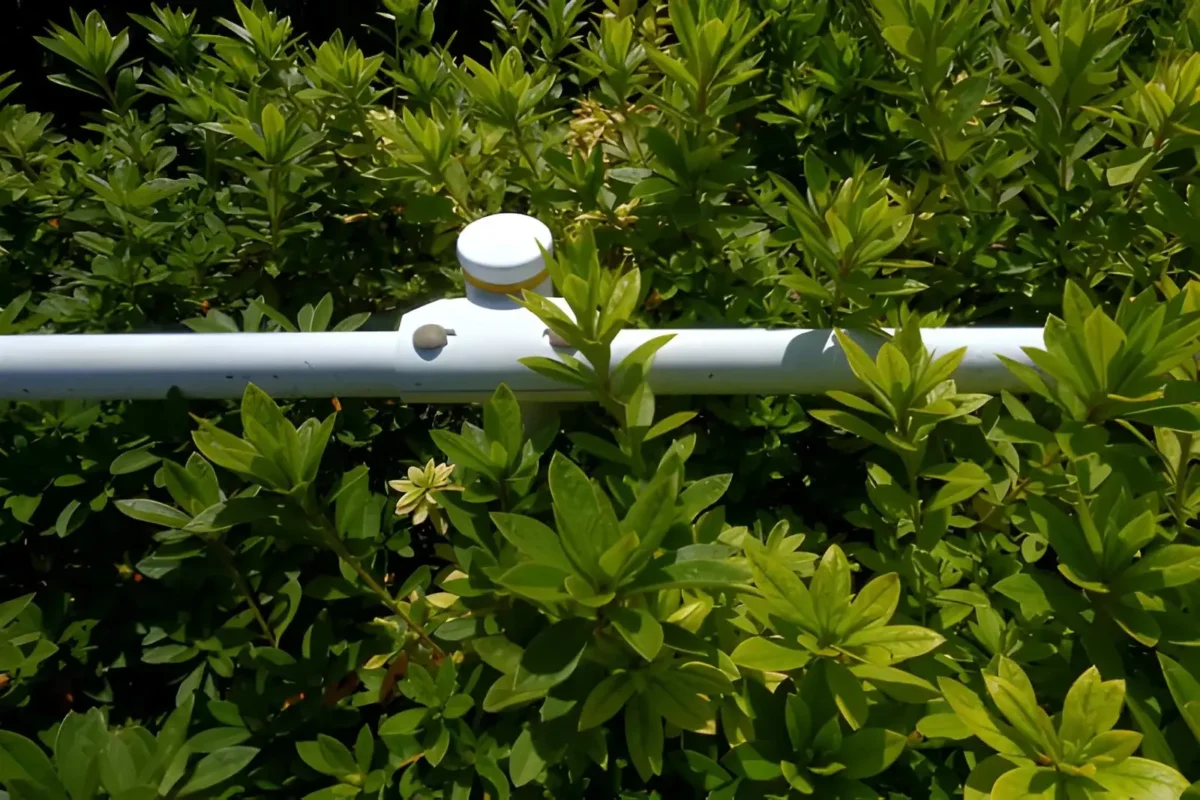

Water is a necessity for a healthy garden; however, there is a limit to how much water is needed for a healthy garden. Excessive watering can be a loss of valuable resource, may cause problems like fungal growth and may cause plants to damage roots. Lawns and plants may be dry and under stress if not irrigated. The first step towards finding the balance is to determine what is the water requirement for your garden.
When it comes to watering the lawn, plants, flowers and even veggie gardens, many homeowners tend to make educated guesses. They may conduct a hose or sprinkler for a specified time, but may not be aware of how much water is being provided. This can be made a more controlled process by measuring the water flow. Armed with this information gardeners can perform more efficient irrigation practices, pinpoint any waste in the system, and make better decisions on when to water the garden.
Why Garden Water Metering is Important
Water used outdoors can add up to a lot of water used, particularly in hot, dry weather. Water can be poured in every yard through a garden hose with a sprinkler running while the gardener is engaged in other work. In the absence of an indicator it is hard to tell if a lawn is getting the correct amount of flow, or a lot more than it needs.
Through metering, there is a more clearly defined picture of usage. Gardeners can test various watering methods and determine which watering practices are the most water efficient. For instance a drip irrigation system can be set-up to very slowly water the roots whilst a sprinkler can be used to water the broader garden.
Water measurement can also help to develop a uniform irrigation practice. A gardener can measure the approximate amount of water discharged by a sprinkler over a 20-minute time period, rather than the amount of time the sprinkler is in operation. This will help to replicate an effective watering regime.
Read and comprehend information from a garden hose provided with basic details about water flow.
Water flow is the volume of water discharged through a hose or irrigation line in a specific time frame. The actual amount can depend on a number of factors such as water pressure, the diameter of the hose, the type of nozzle used, fittings, and the type of sprinkler.
Therefore, two hoses can yield different flows and of course for different periods of time. It’s why you can’t rely solely on minutes when creating a watering schedule.
A flow measurement tool can provide valuable information on how much is really flowing through the hose. For gardeners who are looking to more closely track irrigation while outdoors, irrigation hoses and watering systems are equipped with water flow meters that measure the amount of water flowing through the hose.
With this knowledge of flow rate, water consumption can more easily be estimated. For instance, a hose can provide a 5-liter flow per minute; the gardener can determine the amount of water used after 10, 20 or 30 minutes of watering.
Measuring Sprinkler Watering
Sprinklers are great for lawns and larger garden spaces, but can also overwater or underwater parts of the garden. In some places it might be over-watered and in others it might not.
One easy method of assessing sprinkler performance is to multiply the number of shallow containers around the lawn. Turn on your sprinklers, and collect water in each container for a set amount of time, then compare the water collected in each container. If one or more containers are soaking up a lot more water than another, the sprinkler may need to be adjusted.
This kind of coverage test can be used in conjunction with flow measurement to provide even more useful information. The gardener can gauge the amount of water used by the sprinkler and how well the water is distributed across the grass.
This will help stop the common practice of increasing the watering duration because of some areas that may appear dry. The issue may not so much be the amount of overall watering, but the failure to cover the area adequately with the water.
Making irrigation improvements to lawns.
During the summer, lawns may need to be tended frequently. But daily watering is not necessarily the best option. The best timing is dependent on the type of grass, weather, soil conditions, and local climatic conditions.
Watering from time-to-time with small amounts of water is less beneficial than deep watering. Soaker hoses can help promote deeper root growth and shallow watering could make roots shallow.
Timing also matters. Watering cool areas of the day can minimise losses due to evaporation. The best time to mow in the day may often be the early morning when grass has a chance to dry it before the day gets hot.
These changes can be assessed more readily if implemented with careful consideration. If a record of water use is kept for a few weeks, gardeners will be able to compare the various watering schedules and see which of them leaves their lawns healthy and uses little or no unnecessary water.
The detection of irrigation problems with the help of Flow Data.
Water measurement is not just about curbing water use. It can also be used to determine issues within an irrigation system.
If there is a significant difference in the flow measured between a hose and the nozzle it is possible that the nozzle is blocked, the hose may be damaged, a connection is leaking, or other problem has arisen. For instance, if there is a significant decrease in flow it may be because there is some restriction on an irrigation component. If it increases suddenly then this could indicate a leak or broken fitting.
Checking the system regularly can help to avoid small issues that could turn out to be costly water loss situations. This is particularly to be recommended for gardens that are fairly large and have several hoses, sprinklers or irrigation zones.
Gardeners can make simple records of the flow rate of an irrigation system for various areas of the garden. The system could be investigated should the reading become drastically different in later stages, preventing full-fledged water loss.
Drip Irrigation Made More Accurate!
Vegetable gardens, flowerbeds, shrubs and other planted areas are often irrigated using drip irrigation because they can irrigate near the trunk of the plants. Even an efficient irrigation system requires good management, however.
There are various flow rates in emitters, and the number of emitters has an impact on the total amount of water delivered. The gardener must first take into account the needs of plants and not think of the garden as being a single unit.
Using measurement to determine flow can help to ensure a drip system is providing the expected amount of water. Zones (where multiple zones are installed) can be checked independently. This enables watering times to be changed based on water plant requirements.
Saving Water in the Landscape
Small changes can assist in making outdoor watering more efficient. Inspect hose connections for leaks and replace defective hoses, washers or fittings. Ensure sprinklers water the lawn or planting area and not side walks, driveways or patios.
Mulching around plants can also help to keep water in the soil. Water-holding capacity relates to healthy soil and good organic matter; a compacted or poor quality soil will not spring back to a water-holding condition.
When irrigation planning, rainfall also should be taken into consideration. If there has been a considerable amount of rainfall recently, extra watering may not be needed. Use a rain gauge to provide gardeners with information about the rain and save time spent watering just to water on schedule.
How to make a Practical Irrigation Record.
Watering Logs can help to manage water. Note the date, how long the water was on, the approximate amount of water used, the weather conditions and the area watered.
These will provide good patterns in the long-term. It is possible that in a garden a gardener might find that some zones require less water than they do or that a specific sprinkler is using more water than another.
The idea is to not over-complicate gardening. Instead, measurement offers insights that will allow gardeners to better make decisions.
Conclusion
Conserving water in the garden starts with measuring garden water consumption and identifying where the water goes. Ensuring that irrigation hoses are not being overused by tracking how much water goes through the hose, checking for coverage of the sprinkler heads, irrigation zone monitoring and maintaining simple irrigation records can all help in avoiding unnecessary irrigation consumption.
Outdoor watering isn’t just a matter of water conservation. It’s about providing the right amount of water at the proper time to the crops: lawns, flowers, vegetables, trees and shrubs. Gardeners can ensure that their yards are healthier while conserving water by taking a few simple measurements and conducting basic system checks.
Also Read-
- Innovative Technologies in Metalworking Equipment
- Life Fitness: Revolutionizing Wellness and Exercise Solutions
- Elevating Your Wardrobe with Statement Tops and Blouses


Leave a Comment