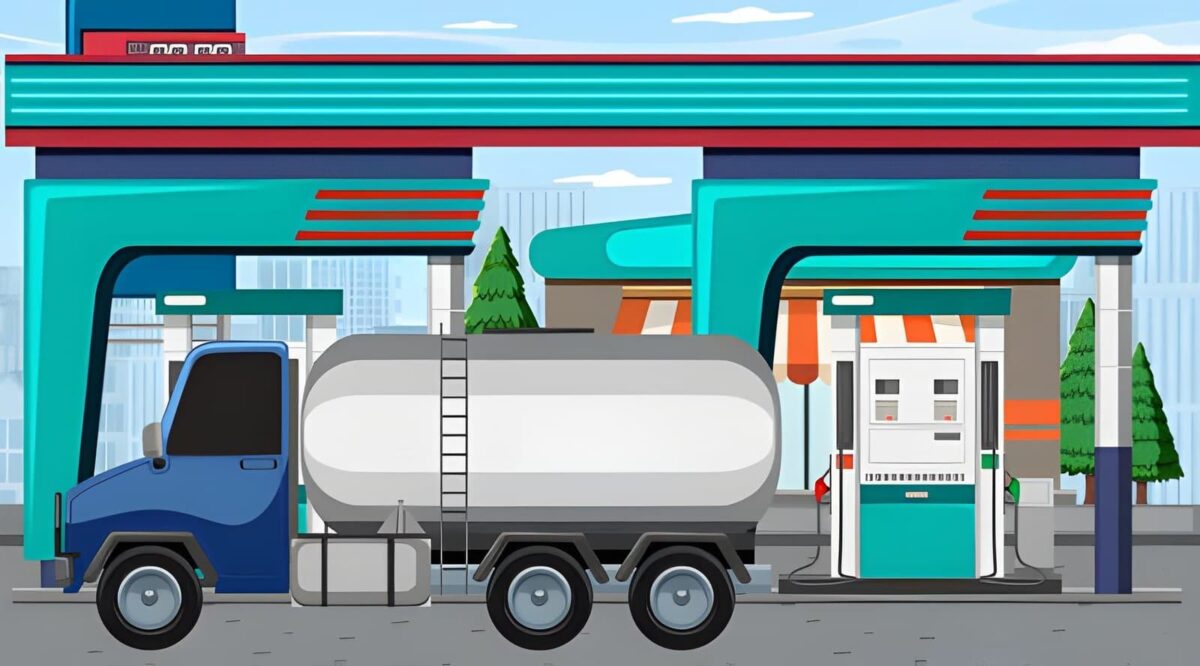

When selecting a Bulk Fuel Distributor for your business, it is essential to consider various factors that can impact your operations. The right distributor can significantly contribute to the efficiency and success of your company by ensuring a reliable supply of fuel and offering services tailored to your requirements.
Understanding Business Requirements
The first step in selecting a bulk fuel distributor is to understand your specific business needs. The quantity of fuel required, frequency of delivery, and the type of fuel essential for your operations are critical aspects to consider. A distributor capable of meeting these demands with flexibility can offer a substantial advantage.
Evaluating Distributor Experience and Reputation
Assessing the experience and reputation of potential distributors can provide valuable insight into their reliability and professionalism. Companies with a long-standing presence in the industry are likely to have honed their supply chains and customer service skills. Reviews and testimonials from other businesses can also inform your decision.
Price and Payment Terms
Cost is a crucial factor in choosing a bulk fuel distributor. It is important to discuss pricing structures and compare them against market rates. Additionally, understanding the payment terms offered, such as credit terms or payment schedules, can influence your choice, especially in managing cash flow.
Delivery and Logistics Capabilities
The operational logistics of a distributor can affect your business operations. Evaluate their delivery networks and capabilities, ensuring they can reach your location efficiently and on schedule. Distributors with advanced logistical capabilities and backup plans are advantageous, particularly in dealing with unexpected supply interruptions.
Quality Assurance
Fuel quality is paramount for optimal performance of your equipment and safety standards. Ensure that potential distributors adhere to rigorous quality control processes. Independent certifications and compliance with industry standards can be indicators of reliable quality assurance practices.
Customer Service
The level of customer service provided by a distributor can impact your ongoing business relationship. Consider whether they offer personalised service, how they handle queries or issues, and their availability. Effective communication channels and proactive customer service are invaluable.
Additional Services Offered
Many bulk fuel distributors offer additional services that could benefit your operations, such as fuel management programmes, emergency deliveries, or comprehensive reporting. Evaluate which of these services align with your needs and assess their value to your business.
Technology Integration
In today’s technologically advanced world, distributors offering technology-driven solutions provide a competitive edge. This could include real-time tracking of deliveries, online account management, or integration with existing business systems. Such capabilities can enhance operational efficiency and transparency.
Environmental Considerations
Environmental factors are increasingly important in business operations and can influence your choice of distributor. Companies focused on sustainability, offering biofuels or implementing eco-friendly practices, can support your company’s environmental responsibility goals.
Security of Supply
A reliable distributor should guarantee security of supply, even in volatile markets. Evaluate their supply chain diversity and flexibility in sourcing fuel from various suppliers. This diversity can mitigate risks associated with reliance on a single source.
Health and Safety Standards
Compliance with health and safety standards is critical in handling and delivering fuel. Distributors prioritising safety reduce risks to both your employees and your operations. Verify their compliance with industry safety standards and protocols.
Contractual Terms and Flexibility
Reviewing the contractual terms and flexibility of potential distributors allows for future-proofing your business relationships. Flexible contracts that can adapt to your evolving requirements are beneficial for sustaining a long-term partnership.
Geographical Reach
If your business operates across multiple locations, consider the geographical reach of your distributor. A distributor with a wide service area or network of depots can support your operations seamlessly across different sites.
References and Case Studies
Requesting references or reviewing case studies can provide additional assurance of a distributor’s capabilities and success in serving similar businesses. This due diligence helps in validating their claims and assessing potential for partnership.
Negotiation and Final Selection
Once you have evaluated potential distributors against these criteria, negotiate terms that provide a win-win outcome. Aim for a partnership that not only meets your immediate needs but also offers scope for collaboration and growth.
Also Read
- Innovative Technologies in Metalworking Equipment
- How Bookkeeping Services Enhance Business Planning
- Pendeja Meaning in English: Definition, Usage, Cultural Context, and Real-Life Examples







Leave a Comment