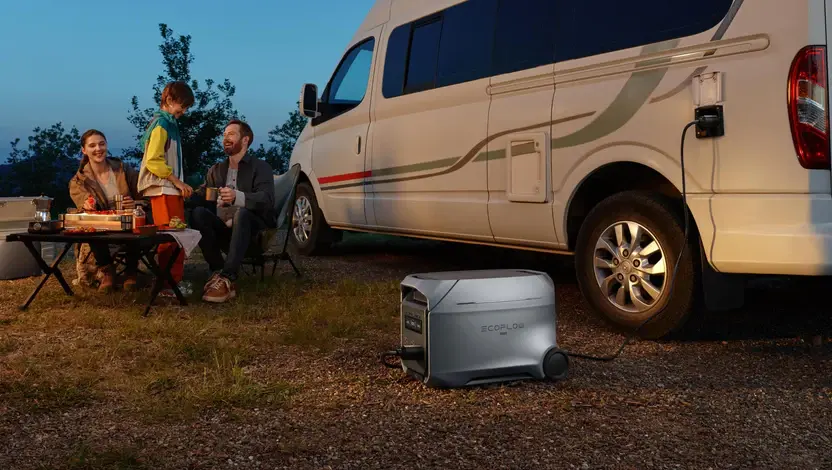

Winter camping opens a world most people never see: snow-silenced forests, frozen lakes, and skies so clear the stars feel close enough to touch. It also introduces hazards that warm-weather trips never present. Frostbite, hypothermia, dead batteries, and frozen water bottles can end the experience fast.
This guide covers the five areas where first-timers get caught off guard. From layering strategies to sleep systems to keeping your power station alive in freezing temperatures, these lessons separate a memorable trip from a miserable retreat to the car at midnight.
Layer Smarter, Not Heavier
Cotton kills in winter. It absorbs sweat, holds moisture against your skin, and accelerates heat loss when temperatures drop. A proper layering system uses three functional layers that work together to regulate temperature, wick moisture, and block wind.
Base Layers That Wick
Merino wool or synthetic polyester sits directly against your skin and pulls sweat away from your body. This layer should fit snug without restricting movement. Avoid cotton T-shirts and underwear entirely, even as a base layer under everything else.
Insulating Mid Layers
Down jackets and fleece pullovers trap body heat in dead air pockets between fibers. Down offers the best warmth-to-weight ratio when dry. Synthetic insulation performs better when wet. Choose based on how much precipitation you expect during the trip.
Windproof Outer Shells
A waterproof, breathable shell jacket blocks wind and snow while letting internal moisture escape. Gore-Tex and similar membranes handle this job. Without a shell, wind cuts straight through insulation layers and carries warmth away from your core within minutes.
Protect Your Extremities
You lose heat fastest through your head, hands, and feet. Pack insulated gloves with waterproof shells, wool socks rated for sub-zero temperatures, and a fleece-lined beanie or balaclava. Bring extras of each item in case the first set gets wet during the day.
Your Sleep System Makes or Breaks the Trip
A cold night in the wrong sleeping bag will end your trip before sunrise. Your sleep system has two components, and skimping on either one turns eight hours of rest into eight hours of shivering and watching the clock.
Sleeping Bags Rated Below Your Expected Low
Buy a bag rated 10 to 15 degrees below the coldest temperature you expect to encounter. Manufacturer ratings assume ideal conditions with a sleeping pad beneath you. In real-world winter camping, that buffer keeps you warm when the mercury drops lower than forecast.
Insulated Pads With High R-Value
The ground steals body heat faster than cold air does. An insulated sleeping pad with an R-value of 5 or higher blocks that conductive loss. Stack a closed-cell foam pad under an inflatable pad for maximum insulation and a backup if the inflatable fails overnight.
Recognize Cold Injuries Early
Hypothermia and frostbite both escalate quietly. Knowing the early warning signs gives you enough time to act before a manageable situation becomes a medical emergency requiring evacuation from the backcountry:
- Uncontrollable shivering — your core temperature is dropping. Add layers, eat calories, and move immediately.
- Numbness or white patches on skin — early frostbite. Warm the area against your body. Do not rub it.
- Confusion, slurred speech, or clumsiness — moderate hypothermia. Stop hiking. Get the person into shelter, dry clothes, and a warm sleeping bag.
Never ignore these symptoms in yourself or anyone in your group. Cold injuries progress faster than most beginners expect, and the window for effective treatment narrows quickly when fatigue and dehydration are already in play.
Keep Your Electronics Alive in Freezing Temps
Cold drains every battery you carry. Phones, cameras, GPS units, and your power station all lose capacity when temperatures drop below freezing. Understanding why this happens lets you plan around it instead of getting caught with dead gear.
Why Batteries Drain Faster in Cold
Chemical reactions inside lithium cells slow down as temperatures fall. Internal resistance rises, voltage sags under load, and your power station appears to drain far faster than it would at room temperature. LFP cells retain roughly 95% capacity at 32°F but may drop to 70-80% at -4°F.
| Temperature | LFP Capacity Retained | Smartphone Impact |
|---|---|---|
| 32°F (0°C) | 95–98% | Mild drain increase |
| 14°F (-10°C) | ~85% | Noticeably shorter battery life |
| -4°F (-20°C) | 70–80% | Phone may shut down under load |
Protecting Gear Overnight
Keep your power station insulated inside a sleeping bag, blanket, or foam-lined box overnight. Tuck phones and camera batteries into an inside jacket pocket close to your body heat. Never charge any lithium battery below 32°F—most modern units with a BMS will block cold charging automatically to prevent permanent cell damage.
Choosing a Cold-Rated Unit
A power station built for winter needs an LFP battery that discharges down to -4°F, IP65 protection against snow and moisture, and enough capacity for two days between charges. EcoFlow’s DELTA 3 Plus delivers all three: 1,024Wh of LFP storage, 4,000-cycle durability, and expansion to 5kWh.
Rethink Your Food and Water Plan
Your body burns significantly more calories in cold weather just to maintain core temperature. Food and water management in winter follows different rules than any other season, and the mistakes compound faster when energy and hydration drop together.
Eat More Calories Than You Think
Cold-weather camping demands 25 to 50 percent more daily calories than a comparable summer trip. Your body burns extra energy just generating heat. Pack calorie-dense foods that require minimal preparation time:
- Nuts, cheese, and hard salami for high-fat daytime snacking between meals
- Instant oatmeal, hot cocoa, and freeze-dried meals that only need boiling water
- Chocolate and energy bars stored in jacket pockets where body heat keeps them soft
Keep Your Water Liquid
Water bottles freeze solid overnight and can turn to slush during the day in extreme cold. Sleep with a bottle inside your sleeping bag to prevent overnight freezing. Store bottles upside down in an insulated sleeve so ice forms at the bottom instead of blocking the spout.
A small electric kettle plugged into your power station produces hot water in minutes for rehydrating meals and warming your core. Hot drinks are not a luxury in winter camping—they are a practical tool for maintaining body temperature throughout the day.
Start Mild, Build Up
Your first winter trip should not be a backcountry expedition in January. Pick a weekend above 20°F at a drive-in campsite near your car. EcoFlow’s DELTA 3 Plus makes a strong power station for winter: 1,024Wh of LFP storage, IP65 moisture protection, and 56-minute wall charging keep your gear running in the cold.
Test your layering, sleep system, and food plan in mild conditions first where the car is a short walk away. Once those fundamentals work, push colder and farther on each subsequent trip.
Also Read
- Why You Need a Police Report After a Car Accident
- Pendeja Meaning in English: Definition, Usage, Cultural Context, and Real-Life Examples
- Best Truck Storage Space Providers for Logistics Businesses




Leave a Comment