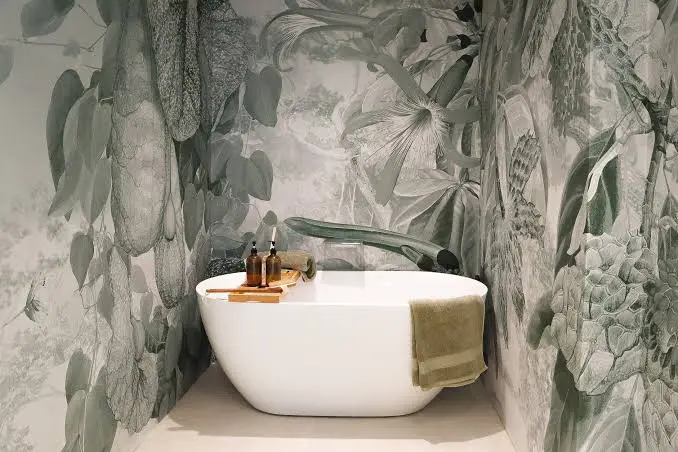

Singapore’s weather is famously warm and wet, with relative humidity often hovering between 80% and 90% year-round and frequent downpours during the monsoon seasons. These conditions create the perfect environment for wallpaper to fail — peeling edges, bubbling surfaces, and hidden mould growth are common complaints among homeowners who choose ordinary wall coverings. If you want walls that stay looking fresh and clean despite the constant moisture in the air, moisture-resistant wallpaper is the practical solution.
The right wallpaper does more than just look good. It protects your investment by resisting water absorption, inhibiting mould, and standing up to the temperature swings between air-conditioned rooms and the outdoors. Many residents discover that sourcing quality products from a reputable wallpaper shop Singapore makes the selection process much easier, as these specialists stock materials specifically tested for tropical conditions and can advise on the best options for different rooms.
Why Ordinary Wallpaper Struggles in Singapore
Standard paper-based wallpapers absorb moisture from the air and from condensation that forms on walls, especially in bathrooms, kitchens, and bedrooms with poor ventilation. Once damp, the adhesive weakens, causing the paper to lift or blister. Mould spores thrive in these humid microclimates, leading to unsightly black spots and potential health concerns. Moisture-resistant wallpapers are engineered with protective layers that repel water and block mould growth, giving you long-lasting results without constant repairs.
Key Features to Prioritise in Moisture-Resistant Wallpaper
When shopping, focus on these essential characteristics rather than just colour or pattern:
Water-repellent or waterproof surface — Vinyl or specially coated finishes that allow you to wipe away spills and condensation easily.
Mould and mildew resistance — Look for products treated with anti-fungal agents or made from inherently resistant materials.
Durable, non-absorbent backing — Non-woven or fabric backings that do not swell or weaken when exposed to humidity.
Breathability balance — Good moisture-resistant wallpapers still allow some vapour to escape, preventing trapped moisture behind the wall.
Washability rating — “Scrubbable” or “extra washable” finishes are ideal for high-traffic or steamy areas.
Low VOC and Singapore-compliant certifications — Important for indoor air quality in sealed, air-conditioned homes.
Best Types of Moisture-Resistant Wallpaper for Singapore Homes
Different materials perform differently under local conditions:
Vinyl Wallpapers
The most popular choice for humid climates. A thick vinyl layer sits on top of a paper or fabric backing, creating a strong barrier against moisture. They are easy to clean and come in countless designs. Choose heavier vinyl (around 200–300 gsm) for better durability.
Non-Woven Wallpapers
Made from compressed synthetic fibres, these are tear-resistant, dimensionally stable, and often pre-pasted. Many modern non-woven options include moisture-repellent coatings, making them suitable for living areas and even bathrooms when paired with the right adhesive.
Fibreglass Wallpapers
Extremely strong and naturally mould-resistant. They can be painted over with moisture-resistant paint, offering a custom finish while providing excellent protection in high-humidity zones like utility rooms or covered balconies.
Specialty Coated Wallpapers
Some premium ranges feature additional protective laminates or nanotechnology coatings designed specifically for tropical markets. These often carry explicit “humidity-proof” or “tropical climate” labelling.
How to Choose the Right Wallpaper for Your Space
Start by assessing each room’s moisture level. Bathrooms and kitchens need the highest resistance (full vinyl or fibreglass). Living rooms and bedrooms can use slightly lighter non-woven options. Always request physical samples — hold them under running water or in a steamy bathroom to see how they perform. Consider the wall condition too: newly plastered or previously damp walls may need a moisture-barrier primer before installation.
Budget wisely. Cheaper wallpapers often cut corners on the protective layer and fail within a year or two in Singapore’s climate. Spending a little more upfront on quality moisture-resistant material usually saves money on replacements and repainting.
Professional Installation Matters
Even the best moisture-resistant wallpaper can fail if installed incorrectly. Hire experienced installers familiar with Singapore’s conditions. They will:
– Ensure walls are completely dry and free of existing mould
– Use humidity-resistant adhesives
– Apply proper seam sealing
– Allow adequate curing time before heavy use of the room
DIY installation is possible for experienced renovators, but professional results are strongly recommended for long-term performance.
Maintenance Tips for Longevity
Once installed, caring for moisture-resistant wallpaper is straightforward. Wipe surfaces regularly with a damp microfibre cloth and mild soap solution. Avoid abrasive cleaners unless the product specifically allows it. Keep bathrooms well-ventilated after showers and use exhaust fans in kitchens. Inspect seams and edges once a year — early attention to any lifting prevents bigger problems.
Common Mistakes to Avoid
– Choosing purely decorative paper wallpapers for humid rooms
– Ignoring wall preparation and skipping moisture barriers
– Buying the cheapest option without checking technical specifications
– Installing in areas with ongoing leaks or poor ventilation without fixing the root cause first
By focusing on material quality, room-specific needs, and proper installation, you can enjoy beautiful, low-maintenance walls that stand up to Singapore’s challenging climate for many years. Take time to compare samples and consult specialists — the right moisture-resistant wallpaper transforms how your home feels and functions in our tropical environment.
Also Read
- What Role Does Case Management Software Play in Improving Public Health and Safety
- The Professional Caregiving Solutions are Designed to Improve Quality of Life
- Creative Custom Apparel Printing with HTVRONT D2 DTF Printer and Puff Vinyl Heat Transfer Technology





Leave a Comment