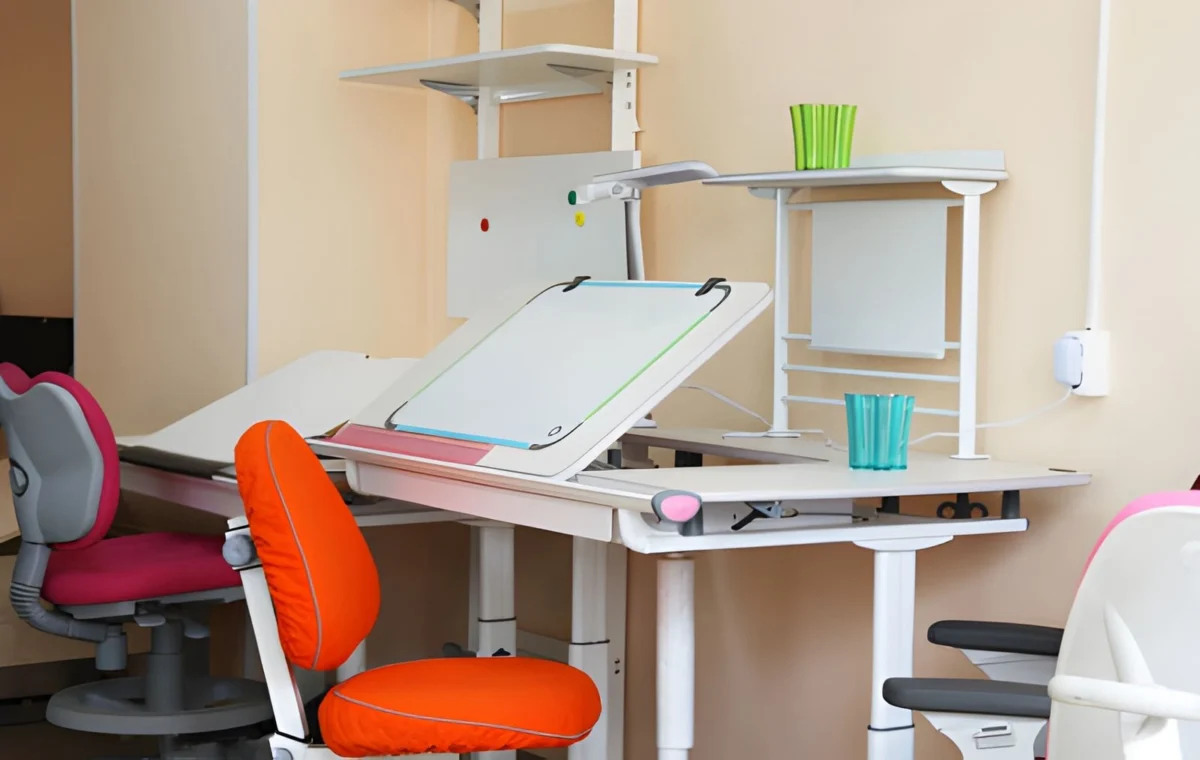

Selecting the right furniture for educational spaces is crucial to fostering effective learning and maintaining student well-being. In particular, choosing student desks that combine ergonomic design with space-saving features is essential for modern study environments. This article explores the key considerations and practical tips for making informed decisions when selecting desks that meet these criteria.
Understanding Ergonomics in Student Desks
Ergonomics refers to designing furniture that supports the natural posture and movements of the human body, thereby reducing strain and discomfort. For students, ergonomic desks help maintain proper spinal alignment, reduce fatigue, and improve concentration during study sessions. When choosing ergonomic student desks, it is important to consider adjustable height options, appropriate desk surface dimensions, and sufficient legroom.
Adjustability and Comfort
Desks with adjustable height features allow customization to suit students of different ages and sizes. This adaptability ensures that each student can maintain an optimal seating posture, with feet flat on the floor and elbows at a comfortable angle when writing or typing. Additionally, desks designed with rounded edges and smooth surfaces contribute to comfort and safety.
Desk Surface and Workspace
The desk surface should be spacious enough to accommodate textbooks, notebooks, and electronic devices without causing clutter. A well-designed desk provides a dedicated area for writing and computer use, which promotes organised study habits. Materials used for the desk surface should be durable and easy to clean to withstand daily use.
Space-Saving Features for Modern Study Environments
With increasing demands on space in educational institutions and home study areas, space-saving designs have become a priority. Desks that maximise functionality while minimising their footprint enable efficient use of available space. Consideration of these features ensures that study environments remain organised and conducive to learning.
Compact and Foldable Designs
Compact desks with streamlined profiles fit well into smaller rooms or shared spaces. Some models offer foldable or collapsible components, allowing the desk to be stored away when not in use. This flexibility is particularly beneficial in multi-purpose rooms or homes where space is limited.
Integrated Storage Solutions
Desks equipped with built-in storage compartments, such as drawers or shelves, help keep study materials organised and within reach. These integrated solutions reduce the need for additional furniture, thereby conserving space. Efficient storage also contributes to a tidy study area, which can enhance focus and productivity.
Material and Build Quality Considerations
Durability and maintenance are important factors when selecting student desks. Materials such as high-quality wood, metal, or engineered composites offer longevity and stability. It is advisable to choose desks with finishes that resist scratches and stains, ensuring they remain functional and visually appealing over time.
Safety and Stability
Ensuring that desks are stable and safe for student use is paramount. Desks should have sturdy frames and non-slip feet to prevent accidents. Rounded corners and smooth edges further enhance safety, especially in environments with younger students.
Design and Aesthetic Compatibility
The visual appeal of student desks can influence the overall ambiance of the study environment. Selecting designs that complement existing decor and foster a positive atmosphere can motivate students. Neutral colours and minimalist styles are often preferred for their versatility and timelessness.
Environmental and Sustainability Factors
Modern educational institutions increasingly prioritise sustainability. Choosing desks made from eco-friendly materials or those manufactured through sustainable processes aligns with these values. Additionally, selecting durable furniture reduces the need for frequent replacements, contributing to environmental conservation.
Budget and Value Assessment
Balancing cost with quality and functionality is essential. While investing in ergonomic and space-saving desks may involve higher initial expenses, the long-term benefits in terms of student health and efficient space utilisation justify the investment. It is advisable to evaluate multiple options and consider warranties or after-sales support.
Conclusion
Choosing ergonomic and space-saving student desks for modern study environments requires careful consideration of multiple factors including adjustability, space efficiency, material quality, safety, design, sustainability, and budget. By prioritising these elements, educational institutions and individuals can create study spaces that enhance learning experiences and promote student well-being. For a wide selection of desks tailored to these needs, exploring specialised collections can provide valuable options.
Read more: Secrets to Score Better Marks with NCERT Class 7 Solutions
What Learning Chess Teaches You About Learning Anything
I Finally Got My Desktop Under Control: How iTop Easy Desktop Helped Me Organize Everything

Leave a Comment