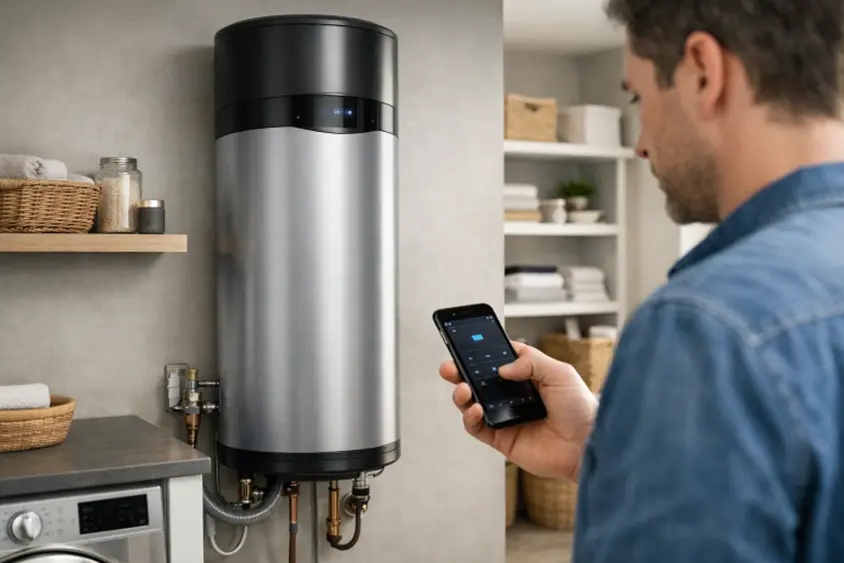

Managing household energy expenses is a top concern for homeowners today. With rising utility bills, finding innovative ways to minimize waste is increasingly important. One of the most effective solutions is upgrading to a smart water heater. These high-tech appliances are designed to reduce energy use through features such as scheduling and remote monitoring. For those ready to make the switch, hot water installation services for Windsor homes make this process straightforward and efficient.
Regional climate demands can also influence overall energy usage, as heating equipment often works harder during severe cold snaps. Homeowners managing property care in Clifton Park, NY frequently evaluate how system efficiency impacts monthly utility bills throughout changing seasons. Integrating responsive temperature monitoring helps ensure consistent performance while limiting unnecessary power consumption during peak winter months.
Beyond convenience, smart water heaters offer significant savings compared to standard models. Intelligent systems manage water heating based on your household’s actual needs, which dramatically reduces wasted energy. Plus, these units often come with built-in safety features and real-time leak detection for added peace of mind.
Understanding Smart Water Heaters
Smart water heaters combine traditional heating elements with innovative technology for unmatched efficiency. Most models feature Wi-Fi or Bluetooth connectivity, allowing you to adjust settings from your smartphone. You can set heating schedules based on your family’s usage patterns or activate energy-saving modes while you are away on vacation. These devices also integrate smoothly with many smart home systems, making whole-home automation a reality.
Pairing heating upgrades with proper temperature controls helps maximize overall energy efficiency throughout the home. Professional thermostat installation ensures that your heating and cooling equipment communicates accurately with smart management tools, allowing you to regulate climate settings effectively and prevent unnecessary power consumption.
Through their on-board sensors and usage tracking, smart water heaters provide insights into your energy consumption. This information can help you identify peak usage times, manage your utility costs, and even detect early signs of leaks or mechanical issues before they become major problems.
If you are looking for a dependable water heater in Windsor, numerous reputable providers offer a range of models to suit various household needs and budgets.
Benefits of Smart Water Heaters
There are many reasons homeowners are switching to smart water heaters. Some standout benefits include:
- Enhanced Energy Efficiency: Advanced hybrid models can use up to 75% less energy than conventional electric water heaters, according to the U.S. Department of Energy. Learn more about water heater efficiency from the U.S. Department of Energy’s resources here.
- Lower Utility Bills: The efficiency of smart models results in noticeable savings, with some users reducing their annual water heating costs by hundreds of dollars.
- Custom Scheduling: Through companion apps, you can tailor hot water availability to your family’s daily routine, which further reduces waste.
- Safety Monitoring: Built-in leak detectors can automatically shut off the water supply to prevent flooding, while diagnostic alerts help avoid costly repairs.
Added Features and Modern Innovations
Modern smart water heaters have evolved far beyond the basic functionality of their predecessors. Many models now incorporate learning algorithms that track your daily water usage and automatically adjust heating cycles for maximum efficiency, ensuring hot water is always available when you need it without unnecessary standby losses. Some newer units can even communicate directly with your utility provider and participate in demand response programs, helping balance regional energy loads and unlocking further cost savings for your household. These proactive systems not only save you money but also help stabilize energy grids during peak periods.
Compatibility with popular voice assistants ensures a seamless fit with your existing smart home devices. For example, homeowners can ask smart speakers to boost the water temperature for a morning shower or set vacation mode before heading out of town. As smart home technology continues to advance, water heaters will likely offer even more intuitive features to reduce waste, improve safety, and enhance homeowner convenience.
Installation Considerations
To maximize the benefits of a smart water heater, proper installation is key. Working with an experienced technician not only helps ensure the new unit functions as intended but also avoids potential safety hazards. Here are some important factors to consider:
- Certified Professional Installation: Always use a licensed professional for installation, as improper setup can void the manufacturer’s warranty and may lead to efficiency or safety issues.
- Placement and Ventilation: Some models, especially heat pumps, require ample space and airflow. Plan the location in advance to avoid efficiency loss or overheating.
- Electrical System Compatibility: Before installation, verify that your home’s electrical capacity meets the water heater’s requirements, especially for electric units that may require dedicated circuits.
The International Association of Certified Home Inspectors offers more on water heater installation requirements here.
Maintenance Tips for Longevity
Like any major appliance, routine upkeep is crucial for keeping your smart water heater running efficiently. Follow these maintenance tips to extend its lifespan and optimize performance:
- Yearly Inspections: Schedule annual inspections to catch minor issues before they become costly repairs.
- Tank Flushing: Sediment buildup can greatly reduce efficiency. Flushing the tank once a year removes these deposits and helps maintain heat transfer capabilities.
- Software Updates: Manufacturers frequently release software enhancements to improve performance and security. Check for updates regularly and install them as recommended.
- Anode Rod Replacement: The anode rod in your water heater helps prevent tank corrosion. Inspect and replace this component as recommended by the manufacturer to extend the appliance’s life.
- Check Wi-Fi Connectivity: Ensure your water heater remains connected to your home network so that monitoring, alerts, and remote scheduling function without interruption.
Exploring Financial Incentives
Upgrading to a smart water heater could qualify you for rebates and financial assistance from utility companies and government bodies. Many programs offer incentives to help offset upfront costs, making these advanced systems more accessible. For example, certain hybrid models can earn up to $2,000 in federal tax credits in addition to local rebates. Check with your installer and local energy provider to discover available incentives in your area.
It’s also advisable to research local government programs or homeowner association grants that encourage energy-efficient retrofits. Some municipalities offer reduced energy rates for homes equipped with demand-response-enabled appliances, resulting in ongoing utility savings beyond initial rebates. Keeping documentation of your unit’s ENERGY STAR rating can make applying for applicable rebates and credits simpler and faster.
Conclusion
Upgrading to a smart water heater offers homeowners a straightforward way to lower energy costs while supporting a more sustainable home environment. By understanding the technology, working with trusted professionals, and establishing regular maintenance habits, you can enjoy safe, dependable hot water year-round while saving on high costs.
As smart technology continues to reshape home energy management, investing in a smart water heater positions your household for both present and future benefits. From budget-friendly operation to active participation in creating a greener home, the advantages provided by these advanced appliances are hard to overlook. Whether you seek the convenience of automation, the assurance of efficient performance, or the ability to monitor and control your home systems from anywhere, the investment in a smart water heater will continue to add value for years to come.
Also Read
- Innovative Technologies in Metalworking Equipment
- LMR Meaning: The Real Definition in Texting, Social Media, Dating, and Gaming
- Affordable Branding Ideas with Custom Patches in USA






Leave a Comment