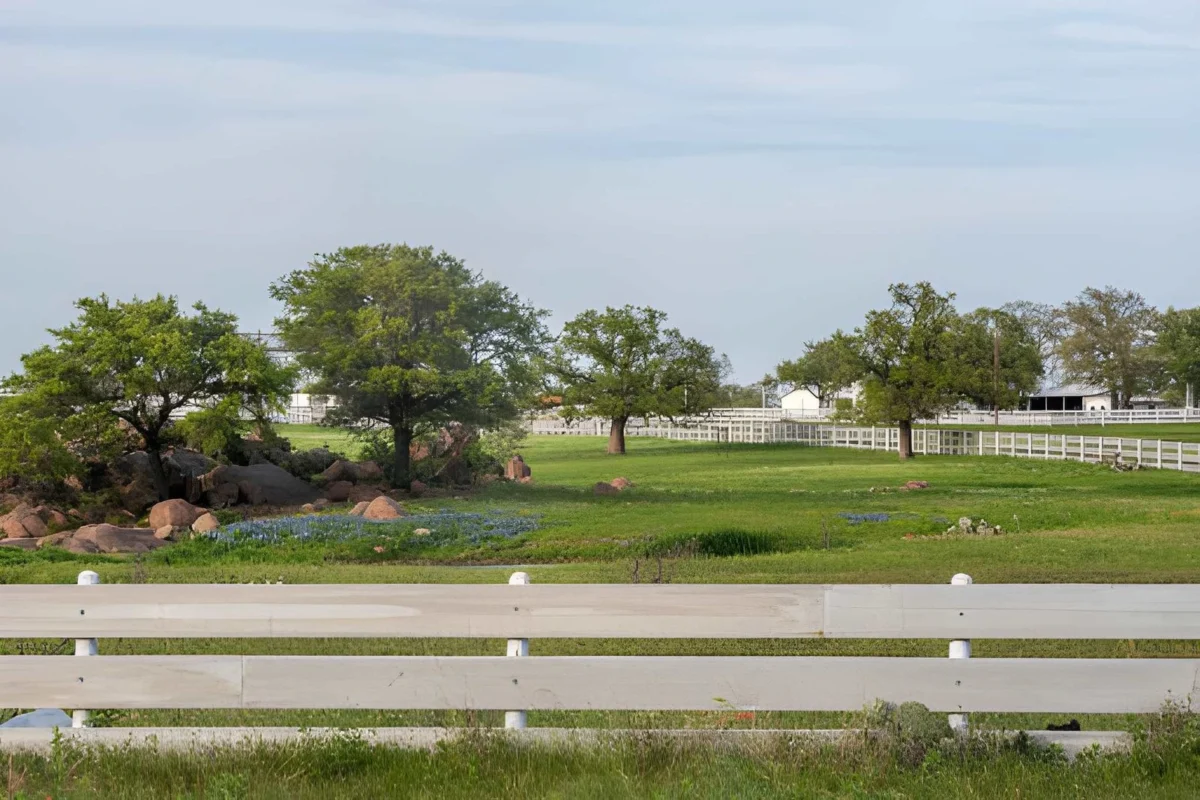

A fence works best when it solves a specific daily problem. Whether the goal is keeping dogs safely contained, creating backyard privacy, defining a larger property line, controlling driveway access, or protecting a small commercial site, the planning process should begin with how the space will actually be used. The material, height, gate locations, and upkeep requirements should all follow that purpose. For owners comparing practical perimeter options, chain link fence service Collin County from 326 Construction provides a useful local example. Based in Nevada, Texas, 326 Construction serves communities including Nevada, Lavon, Josephine, Farmersville, Princeton, and McKinney, with chain link installation focused on durable security, pet containment, and clearly defined property boundaries. An open, sturdy fence can be a strong fit when visibility and reliable everyday performance matter more than complete screening.
Start With the Fence’s Daily Job
Choosing a fence based only on appearance can lead to frustration later. A tall privacy fence may not be necessary around a large side yard, while a short decorative fence may not be enough for an active dog or a busy driveway. Write down the primary need, then identify the people, animals, vehicles, and equipment that will interact with the fence.
- Pet and child containment: Prioritize secure latches, suitable height, tight bottom clearance, and openings that cannot be easily squeezed through.
- Backyard privacy: Consider solid wood, vinyl, or privacy panels where visual screening is the priority.
- Pool and driveway access: Focus on self-closing or lockable gates, safe circulation, and controlled entry points.
- Large-lot boundaries: Choose a layout that follows the property efficiently and remains easy to inspect.
- Light commercial protection: Plan for durable posts, access gates, visibility, and a perimeter that supports routine operations.
Clear visibility is often valuable around play areas, pet runs, side yards, and service spaces. It allows owners to see activity on both sides of the fence without sacrificing the definition of a well-marked perimeter.
Compare Materials by Performance, Not Just First Impression
Every material has trade-offs. Chain link is open, practical, and well-suited to containment and perimeter applications. Wood creates a traditional look and can provide privacy, but it usually requires staining, sealing, and occasional board replacement. Ornamental metal offers strength and a structured appearance, while pipe-and-steel systems can be useful on ranch, agricultural, utility, and larger-lot properties. Vinyl and other privacy systems offer a clean visual line for owners who want more screening. Instead of assuming one material is always best, compare the factors that matter on your property: expected maintenance, visibility, privacy, corrosion resistance, gate needs, terrain, and the likely wear from pets, landscaping, weather, or equipment. A simpler fence that matches the site can offer better long-term value than a more elaborate option that needs constant attention.
Plan for North Texas Weather, Soil, and Drainage
North Texas fences must handle intense sun, heavy rain, wind, hail, and changing ground conditions. Post depth, concrete support, proper alignment, drainage, and tension all affect long-term performance. A fence can look perfectly straight on installation day, but begin leaning when posts are shallow, soil shifts, or water repeatedly collects along the line. Walk the proposed route before making final decisions. Note low spots, slopes, runoff paths, tree roots, irrigation heads, and landscaping that could press against panels or fabric. Before post holes are dug, homeowners should also arrange for underground utilities to be marked. The Railroad Commission of Texas homeowner guidance explains the importance of contacting 811 before excavation, including work performed in a residential yard.
Confirm Boundaries, Easements, and Local Requirements
A current survey is one of the most useful planning tools for a boundary fence. It helps avoid placing posts on the wrong side of the line and makes discussions with neighbors more straightforward. Also, review recorded easements, city requirements, subdivision restrictions, and HOA approval procedures before ordering materials. Shared fence questions can involve ownership, access, construction cost, and future maintenance. Texas rules and local circumstances can vary, especially where livestock, highways, or rural property are involved.
Design Gates and Useful Features Early
Gates should be planned with the fence line, not treated as an afterthought. A single walk gate may be enough for daily foot traffic, but lawn equipment, trailers, delivery vehicles, or emergency access may require a double drive gate, sliding gate, or automated entry system. Measure the required clearance, determine the swing direction, and ensure the approach remains usable on a slope.
- Choose top rails or tension wire where extra stability is needed.
- Add privacy slats only when screening is a real priority.
- Upgrade posts and hinges for wide, heavy, or frequently used gates.
- For animal control, focus on fence height, spacing, bottom gaps, and dependable latches.
- Use corrosion-resistant finishes where moisture, irrigation, or frequent contact may affect the material.
A strong fence can still underperform if its gate sags, drags, or fails to latch. Gate posts, hinges, hardware, and latch alignment deserve the same attention as the rest of the perimeter.
Maintain the Fence Before Small Problems Grow
Low maintenance does mean no maintenance. Inspect posts, rails, panels, fabric, hinges, and latches after severe weather. Remove vines, leaves, branches, and stored items touching the fence. Keep irrigation from spraying vulnerable materials, and watch for loose hardware, bent sections, rust, rot, damaged coatings, or movement at the base of posts. Repair is often sensible for a loose latch, one damaged panel, minor bent fabric, or a localized hardware issue. Replacement may be more practical when several posts lean, corrosion or rot is widespread, large sections no longer align, or recurring gate failures signal a broader structural issue. A professional site review can help distinguish a repairable section from a failing system.
Compare Installation Proposals Carefully
- Ask for the proposed material, height, posts, gates, and hardware in writing.
- Confirm whether removal, cleanup, site preparation, permits, and utility coordination are included.
- Ask how slopes, drainage, property lines, and existing landscaping will be handled.
- Review warranty details and post-installation service terms.
- Compare the complete scope of work, not only the lowest initial price.
Plan for the Years Ahead
A durable fence starts with a clear purpose, accurate placement, site-appropriate materials, sound installation, and routine care. Review the property, confirm the rules, list the needed features, and request a detailed written plan. When decisions are based on real site conditions rather than appearance or first cost alone, the finished fence is more likely to perform well for years.
Conclusion
Choosing the right fence is about more than selecting a material or style. A successful project begins with understanding how the fence will be used, evaluating site conditions, confirming property boundaries, and planning for long-term maintenance. Whether your priority is security, privacy, pet containment, or defining a property line, matching the fence design to your specific needs helps ensure better performance and lasting value. Taking the time to compare materials, review installation proposals, and address local requirements before construction can help prevent costly issues later. With careful planning and routine maintenance, a well-built fence can provide reliable service, enhance your property’s appearance, and serve your home or business for many years.
Read more: Why simple mobile games still bring people together
Adjustable Chastity Belts for Men: Solving the Fit Problem Across Body Types
Types of Book Editing: A Complete Guide for Authors

Leave a Comment