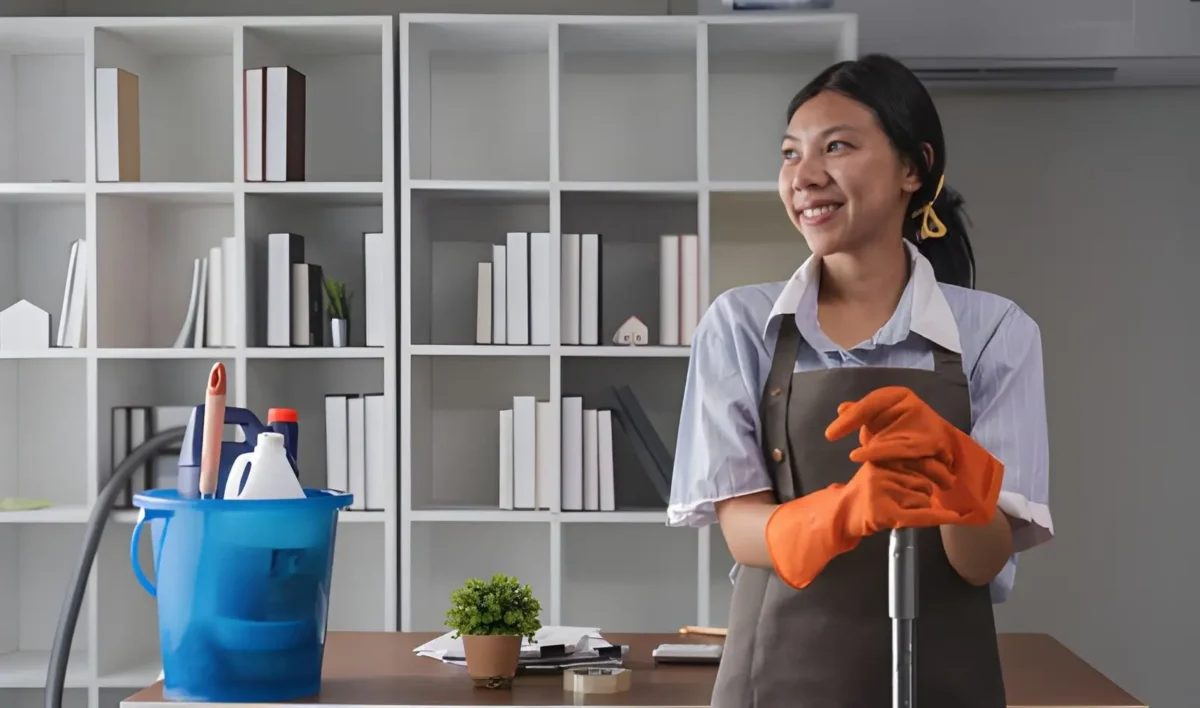

Maintaining a clean and hygienic workspace is essential for productivity, health, and overall business image. However, one common question many organizations face is how often professional cleaning should be scheduled. The answer is not the same for every business. Companies evaluating providers like BellRose often realize that cleaning frequency depends on factors such as industry, traffic levels, and operational needs.
There is no one-size-fits-all schedule.
Cleanliness should match usage.
1. High-Traffic Environments Require Frequent Cleaning
More people means more buildup.
Spaces with constant foot traffic accumulate dirt, germs, and debris much faster than low-traffic environments.
Examples of High-Traffic Spaces:
- Offices with large teams
- Retail stores
- Medical facilities
- Gyms and fitness centers
Recommended Frequency:
- Daily cleaning for common areas
- Frequent disinfection of high-touch surfaces
Why It Matters:
- Reduces spread of germs
- Maintains professional appearance
Usage drives frequency.
The Trade-Off
Frequent cleaning increases costs, but it prevents health issues and maintains standards.
Consistency improves hygiene.
2. Medium-Traffic Workspaces Need Regular Maintenance
Balanced use requires balanced cleaning.
Businesses with moderate foot traffic still need consistent cleaning, though not always daily.
Examples:
- Small to mid-sized offices
- Professional service spaces
- Shared work environments
Recommended Frequency:
- 2–3 times per week for general cleaning
- Daily attention to key areas if needed
Benefits:
- Maintains cleanliness without over-servicing
- Controls costs while ensuring hygiene
Regular maintenance keeps spaces functional.
The Trade-Off
Less frequent cleaning may allow minor buildup, but it balances cost and cleanliness effectively.
Balance supports efficiency.
3. Low-Traffic Areas Can Follow Flexible Schedules
Not all spaces require constant cleaning.
Areas with limited use accumulate less dirt and may not need frequent professional services.
Examples:
- Storage areas
- Private offices
- Facilities with minimal public access
Recommended Frequency:
- Weekly or biweekly cleaning
Why It Matters:
- Avoids unnecessary expenses
- Maintains basic cleanliness
Lower usage allows flexibility.
The Trade-Off
Infrequent cleaning may lead to overlooked issues, so periodic inspections are still important.
Minimal use still requires maintenance.
4. Industry-Specific Requirements Matter
Different industries have different standards.
Some businesses must follow strict cleaning protocols due to health and safety regulations.
Examples:
- Healthcare facilities
- Food service businesses
- Manufacturing environments
Typical Requirements:
- Daily or multiple cleanings per day
- Specialized sanitation procedures
Impact:
- Ensures compliance
- Protects employees and customers
Regulations define frequency.
The Trade-Off
Strict standards increase costs, but they are necessary for safety and compliance.
Compliance is non-negotiable.
5. High-Touch Areas Need Daily Attention
Some surfaces require constant cleaning.
Regardless of overall schedule, certain areas should be cleaned frequently due to high contact.
High-Touch Surfaces:
- Door handles
- Light switches
- Desks and shared equipment
- Restrooms
Recommended Frequency:
- Daily or multiple times per day
Why It Matters:
- Reduces spread of germs
- Improves workplace hygiene
Targeted cleaning is essential.
The Trade-Off
Frequent disinfection requires effort, but it significantly improves health and safety.
Focus improves results.
6. Seasonal Factors Can Affect Cleaning Needs
Cleaning needs change throughout the year.
Weather conditions can influence how quickly spaces become dirty.
Seasonal Considerations:
- Winter: salt, snow, and moisture
- Spring: pollen and dust
- Summer: increased foot traffic
- Fall: debris and leaves
Impact:
- May require temporary increase in cleaning frequency
Seasonality affects maintenance.
The Trade-Off
Adjusting schedules seasonally may increase short-term costs, but it maintains overall cleanliness.
Adaptation improves consistency.
7. Deep Cleaning Should Be Scheduled Periodically
Routine cleaning is not enough.
Deep cleaning addresses areas that are not covered during regular maintenance.
What Deep Cleaning Includes:
- Carpet cleaning
- Window cleaning
- Detailed sanitation of hard-to-reach areas
Recommended Frequency:
- Monthly or quarterly, depending on usage
Benefits:
- Extends the life of materials
- Maintains a higher standard of cleanliness
Deep cleaning supports long-term maintenance.
The Trade-Off
Deep cleaning requires additional investment, but it prevents long-term deterioration.
Thorough care improves durability.
8. Business Size and Layout Influence Frequency
Larger spaces require more attention.
The size and layout of a facility affect how often cleaning is needed.
Considerations:
- Square footage
- Number of employees or visitors
- Number of shared spaces
Impact:
- Larger or more complex spaces require more frequent cleaning
Scale influences planning.
The Trade-Off
More extensive facilities increase cleaning costs, but they also require consistent maintenance to remain functional.
Coverage supports quality.
9. Custom Schedules Provide the Best Results
Flexibility is key.
The most effective cleaning schedules are tailored to the specific needs of a business.
What Customization Includes:
- Adjusting frequency based on usage
- Targeting high-priority areas
- Scaling services as needed
Benefits:
- Optimizes cost and efficiency
- Ensures consistent cleanliness
Customization improves outcomes.
The Trade-Off
Developing a tailored plan requires assessment, but it delivers better results than generic schedules.
Precision enhances performance.
The Takeaway: Cleaning Frequency Should Match Business Needs
There is no universal answer to how often businesses should schedule professional cleaning. The right frequency depends on traffic, industry, space, and operational requirements.
An effective cleaning strategy includes:
- Daily cleaning for high-traffic areas
- Regular maintenance for moderate-use spaces
- Flexible schedules for low-traffic areas
- Industry-specific compliance when required
- Frequent attention to high-touch surfaces
- Seasonal adjustments
- Periodic deep cleaning
- Customized plans based on business needs
The goal is not just to clean.
It is to maintain a consistent standard.
When businesses align cleaning schedules with their actual usage and requirements, they create a healthier, more productive, and more professional environment for employees and visitors alike.
Also Read
- Innovative Technologies in Metalworking Equipment
- Liability Insurance Essentials for Growing Businesses
- Chihiro Meaning and Hiatus Meaning: Deep Origins, Modern Uses, and Real-Life Examples







Leave a Comment