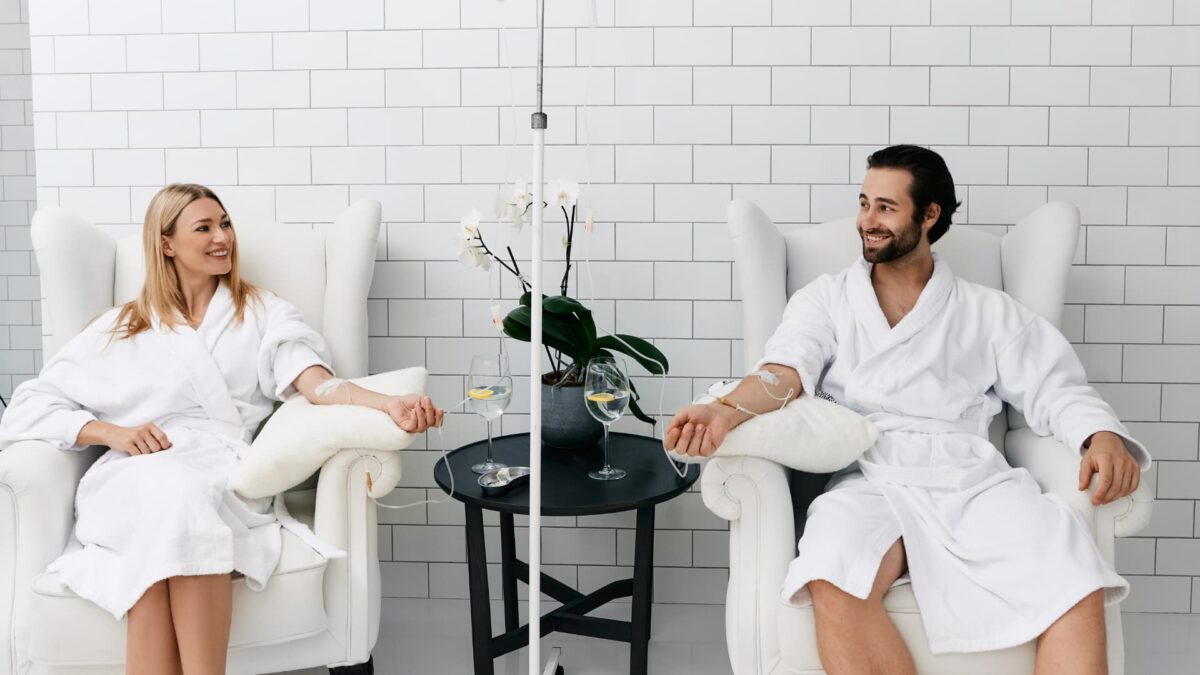

Let’s be honest, traditional healthcare was never designed around your schedule. You drive across town, sit in a waiting room for forty-five minutes, and leave with a co-pay and mild frustration. That model is slowly breaking down, and frankly, it’s about time. A growing wave of on-demand care is meeting patients exactly where they are, and the momentum behind it is hard to ignore.
Here’s a number worth sitting with: only around 3,000 mobile clinics currently handle roughly 10 million patient visits every year across the United States. The gap between what’s needed and what exists is enormous. That pressure is fueling real innovation right now. Patients across Utah and similarly spread-out states are already searching for alternatives, typing queries like iv mobile therapy near me into their phones to find providers willing to bring treatments directly to the front door. Mobile wellness treatments have graduated from niche luxury to genuine healthcare solutions, and the shift is accelerating fast.
Real-World Models Elevating Mobile Wellness Access
The range of services available today would surprise most people. Providers have gotten creative, building distinct care models that each target a different failure point in traditional healthcare delivery.
This flexibility allows modern health services to look outside traditional clinical walls when offering cosmetic or therapeutic upgrades. Many patients appreciate how a modern Medical spa brings advanced aesthetic treatments right to their neighborhood or workplace. Transitioning these specialized services into on-demand delivery models helps busy people fit self-care naturally into their weekly routines without sacrificing work time.
Immersive Recovery Pods on Wheels
Picture this: a converted mobile unit parked outside your office building, offering massage therapy, infrared treatment, and PEMF therapy, no waiting room, no commute. Some providers have done exactly that. Patients recover on-site and get back to their day without rearranging their schedule around a clinic’s hours. It’s a level of convenience that a standard appointment simply cannot offer.
Concierge Medical Vans
Mobile medical treatment through concierge vans raises the stakes considerably. These units aren’t just about relaxation; they deliver primary care, aesthetics, and lab services right at your home or office. Providers like Wellness Wheels have demonstrated clearly that clinical-grade care doesn’t need permanent walls around it to be effective and legitimate.
Mobile Clinics for Underserved Communities
Then there’s the bigger picture. Mobile healthcare isn’t only about convenience for busy professionals. For rural communities and underserved populations, a mobile wellness clinic rolling in with preventive screenings, chronic disease management, and vaccinations is something far more meaningful. Programs like those operating in East Alabama have proven this model works, at scale, consistently, and with measurable outcomes.
Now that the landscape is clearer, let’s look at the specific innovations pushing mobile services into genuinely new territory.
Emerging Innovations in Mobile Healthcare Services
This space moves quickly. New categories are expanding what’s possible, and the patients who know about these options are benefiting the most.
Mobile IV Therapy, Hydration, and Nutrient Infusions at Home
IV therapy hasn’t lived inside hospital walls for a while now. Mobile healthcare services today include nurse-administered hydration drips, vitamin infusions, and even sophisticated treatments like NAD⁺, all delivered in your living room while you watch television.
The U.S. mobile IV hydration therapy market was valued at $568.5 million in 2024 and is projected to grow at a 10.4% annual rate through 2030. Those aren’t trend numbers. That’s a fundamental market shift happening in real time.
Mobile Wound Care and Telehealth Integration
Wellness improvement is only part of the story. Mobile healthcare services are equally vital for managing chronic conditions that require consistent, clinical-level attention. Physician-led programs now pair in-person wound care visits with telehealth follow-ups, reducing unnecessary hospital transfers and keeping patients comfortably stable at home. That kind of continuity is genuinely difficult to replicate through traditional care structures.
Mobile Chiropractic and Bodywork
Rounding out the spectrum, mobile chiropractic and bodywork services address musculoskeletal pain in the one environment where patients are naturally most relaxed, their own home. That familiarity matters more than people typically give it credit for. Patients in comfortable surroundings respond differently, and often better.
With this many options available, what actually makes mobile wellness transformative at its core? The answer is rooted in access, and what happens when you remove the barriers to it.
Why Mobile Wellness Is Revolutionizing Access
| Factor | Traditional Care | Mobile Wellness |
| Transportation | Patient-dependent | Provider comes to you |
| Rural Access | Limited | Actively targeted |
| Scheduling | Clinic hours only | Flexible, on-demand |
| Personalization | Standardized | One-on-one, in-home |
| Cost Efficiency | Higher overhead | $19 ROI per $1 invested |
Breaking Down Barriers to Care
Accessible mobile healthcare addresses transportation gaps, disability challenges, rural distance, and time constraints in one stroke. For someone managing a chronic condition without reliable transportation or a caregiver nearby, these services aren’t a convenience upgrade; they are the difference between receiving care and going without it entirely.
Personalized, Patient-Centered Care
Removing logistical obstacles opens a door to something else: genuine personalization. Providers who work in-home spend more time with each patient, observe the actual living environment, and tailor treatment accordingly. That level of sustained attention is rare in traditional clinical settings, where throughput pressures work against it constantly.
Evidence and Outcomes
The data backs this up consistently. Research demonstrates that mobile health programs reduce emergency room visits and improve long-term health outcomes. Partnerships with community health organizations extend that reach even further, ensuring that consistent, quality care reaches populations that would otherwise fall through the gaps.
Knowing the benefits matters, but choosing the right provider requires asking the right questions first.
How to Find and Choose the Right Mobile Wellness Treatment
Start with a targeted search, something like iv mobile therapy near me, to surface reputable local providers operating in your area. Once you have a shortlist, narrow it down with some practical due diligence.
– Is the provider properly licensed in your state?
– Are services administered by certified clinical staff?
– Do they accept HSA payments or insurance?
– What’s their service area and scheduling flexibility?
Read verified patient reviews carefully. A provider with consistent, detailed five-star feedback from dozens of real patients is far more trustworthy than a beautifully designed website making bold claims. The two are not the same thing.
Frequently Asked Questions
- What types of mobile wellness treatments are typically available?
Services vary by provider but commonly include IV hydration, chiropractic care, wound management, aesthetic injections, hormone therapy, and mobile lab work, many of which can be scheduled and administered in your home or office. - Is mobile IV therapy safe?
Yes, when administered by licensed nurses under medical supervision. Reputable providers follow clinical protocols, use sterile equipment, and conduct health screenings before treatment to ensure patient safety. - Can mobile healthcare help people in rural areas?
Absolutely. Rural communities often lack consistent access to preventive care. Mobile clinics and concierge health programs are specifically designed to reach these populations, reducing the burden of long-distance travel for routine and specialized services.
Making Healthcare Work for You
Mobile wellness treatments are quietly rewriting the rules of how care gets delivered, and who actually receives it. From IV drips to wound management, from chiropractic visits to fully equipped medical vans, these models bring serious, quality care to the people who need it most. Accessible mobile healthcare isn’t a luxury trend for wellness-obsessed city dwellers.
It’s a practical, proven answer for anyone exhausted by a healthcare system that was never built around real life. The care you need shouldn’t require a commute, a waiting room, or a schedule that only works for someone else.
Also Read
- Discover the Best Tile Shops in Canberra for Your Home Renovation
- Innovative Technologies in Metalworking Equipment
- Pendeja Meaning in English: Definition, Usage, Cultural Context, and Real-Life Examples





Leave a Comment