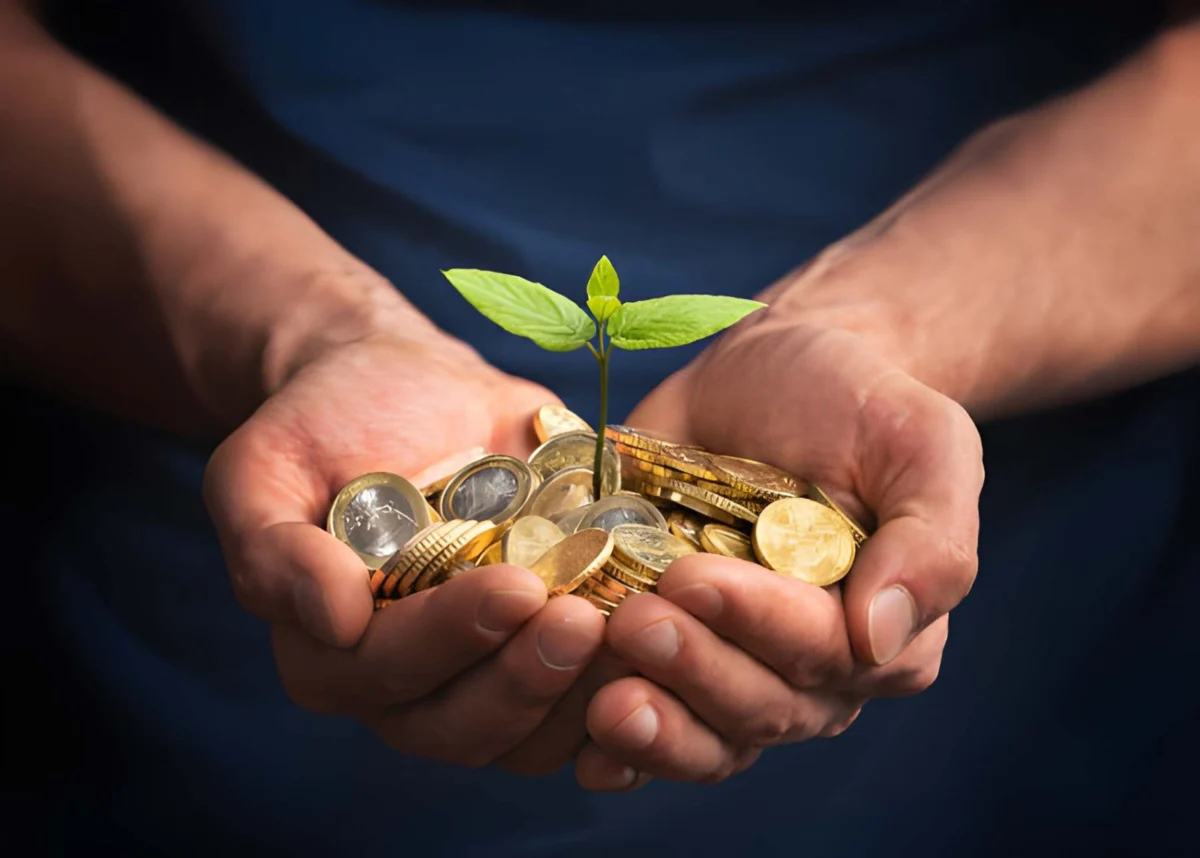

Money Choices Have a Long Tail
Building a sustainable financial life is not only about having enough money next month. It is also about making choices that can hold up over time. That means thinking about how you earn, spend, save, borrow, and invest in a way that supports your future without ignoring the kind of world you want to live in. A financial plan can be practical and still reflect your values.
This matters because money decisions rarely stay isolated. A rushed purchase can become credit card debt. A cheap product that breaks quickly can cost more than a better one. A home that wastes energy can raise monthly bills. A financial emergency can push someone to search for options such as guaranteed approval for a vehicle title loan, while a stronger savings cushion may create more choices before stress takes over.
Sustainability Starts With Staying Power
When people hear the word sustainability, they may think of recycling, energy efficiency, or responsible investing. Those things matter, but personal financial sustainability begins with staying power. Can your budget survive an unexpected bill? Can your savings handle a slow month? Can your spending habits support your goals without constant pressure?
A sustainable budget is one you can actually live with. It covers essentials, makes room for saving, keeps debt under control, and still allows for some enjoyment. If your plan is too strict, you may abandon it. If it is too loose, it may not protect you. The sweet spot is a plan that gives your money direction without pretending life is perfectly predictable.
Start by reviewing your income and expenses. Look at what comes in, what goes out, and what keeps repeating. Housing, food, transportation, insurance, utilities, and debt payments form the foundation. Once those are clear, you can make better decisions about everything else.
Spend Like Replacement Costs Matter
One of the most overlooked parts of sustainable spending is replacement cost. A bargain is not always a bargain if you have to buy it again soon. Cheap shoes that wear out in two months, low quality appliances that waste energy, and disposable products that need constant replacing can drain your budget quietly.
This does not mean buying the most expensive version of everything. It means asking better questions before you spend. How long will this last? Can it be repaired? Will it reduce another cost? Is it useful enough to earn space in my life?
Energy use is a good example. ENERGY STAR explains that energy efficient products and home upgrades can help households save energy and money while reducing environmental impact through ways to save energy at home. That kind of spending can support both your monthly budget and your environmental values when it fits your situation.
Small choices count too. Meal planning can reduce food waste and grocery costs. Buying fewer but better items can reduce clutter and replacement spending. Using what you already own can be more powerful than finding another discount.
Build a Buffer That Protects Your Values
A financial buffer gives you room to make thoughtful decisions. Without savings, emergencies often force speed. You may choose the fastest solution instead of the best one. You may pay more because you do not have time to compare options. You may use credit for expenses that could have been handled with a cushion.
Start with a small emergency fund if you do not already have one. Even $500 can help with minor car repairs, medical costs, or urgent household needs. From there, work toward one month of essential expenses, then three to six months if possible. The exact number depends on your income stability, family needs, and monthly obligations.
A buffer also protects your values. If you care about buying from ethical companies, supporting local businesses, or avoiding wasteful purchases, savings can give you the flexibility to make those choices. When every decision is made under pressure, values are harder to follow.
Borrow Carefully and With Full Awareness
Debt is not automatically bad. A mortgage, student loan, business loan, or car loan can support a larger goal when the payment is affordable and the terms are clear. But debt becomes unsustainable when it fills gaps that should be addressed with income, savings, or spending changes.
Before borrowing, look at the full cost. That includes interest, fees, payment length, and what the monthly payment will crowd out. A payment that seems manageable today may become stressful if income drops or another bill rises. Borrowing should solve a problem without creating a bigger one later.
Sustainable borrowing also means avoiding debt for purchases that do not support long term stability. If a purchase will be gone or forgotten before the debt is paid off, pause before moving forward. Your future income deserves protection.
Invest With Both Goals and Values in Mind
Sustainable finances also include how you invest, if investing is part of your plan. For some people, that means retirement accounts, index funds, bonds, or workplace plans. For others, it may include considering environmental, social, and governance factors alongside risk, fees, and expected returns.
The U.S. Securities and Exchange Commission has discussed environmental, social, and governance investing as an area where investors should understand what funds actually claim to do and how strategies may differ through its comments on ESG information and investor demand. In plain language, do not invest based on a label alone. Read the details, compare costs, and make sure the investment still fits your timeline and risk tolerance.
Values matter, but so does math. A sustainable investment plan should not rely on hype. It should be diversified, affordable, understandable, and aligned with your actual goals.
Earn in a Way You Can Maintain
Sustainability also applies to income. Chasing every extra dollar can lead to burnout if the plan depends on constant overtime, side jobs, or stress. More income can be helpful, but it should not require sacrificing your health forever.
Look for ways to strengthen earning power over time. That might mean learning a skill, asking for a raise, changing jobs, building a side business slowly, or improving credentials. The goal is not just to earn more once. The goal is to create income that is steadier, healthier, and more useful for the life you want.
If your current income is unpredictable, build your budget around a conservative month rather than a best case month. Use higher income months to fund savings, reduce debt, and prepare for slower periods.
Make Reviews Part of the System
A sustainable financial plan needs regular maintenance. Set a monthly review to check spending, bills, savings, and debt. Then do a deeper review every few months. Look at what has changed. Has rent increased? Are utilities higher? Did your goals shift? Are your values still reflected in your spending?
These reviews do not need to be dramatic. Think of them as small course corrections. A few adjustments made early can prevent bigger problems later.
A Sustainable Plan Gives You More Control
Building sustainability into your finances is not about being perfect. It is about creating a money system that can last. Spend in ways that reduce waste and replacement costs. Save enough to create breathing room. Borrow carefully. Invest with both goals and values in mind. Earn in a way that supports your life instead of draining it.
The most sustainable financial plan is one that protects your future while still fitting your present. It helps you handle emergencies, make thoughtful choices, and use money as a tool instead of a constant source of pressure. Over time, those choices build more than a stronger bank account. They build a life with fewer financial traps and more room to choose what matters.
Read more: The Ultimate Guide to Double Wall Cups: Benefits, Uses, and Sustainability
Exploring Junior Doctor Jobs in Australia: Opportunities and Insights
Discover the Ultimate Kayaking in Sydney Australia: A Guide to Unforgettable Water Adventures

Grace Mitchell is a content writer at GrammerWay, focused on English grammar, clear writing, and common language mistakes. She creates simple, reader-friendly guides to help improve writing confidence.
Leave a Comment