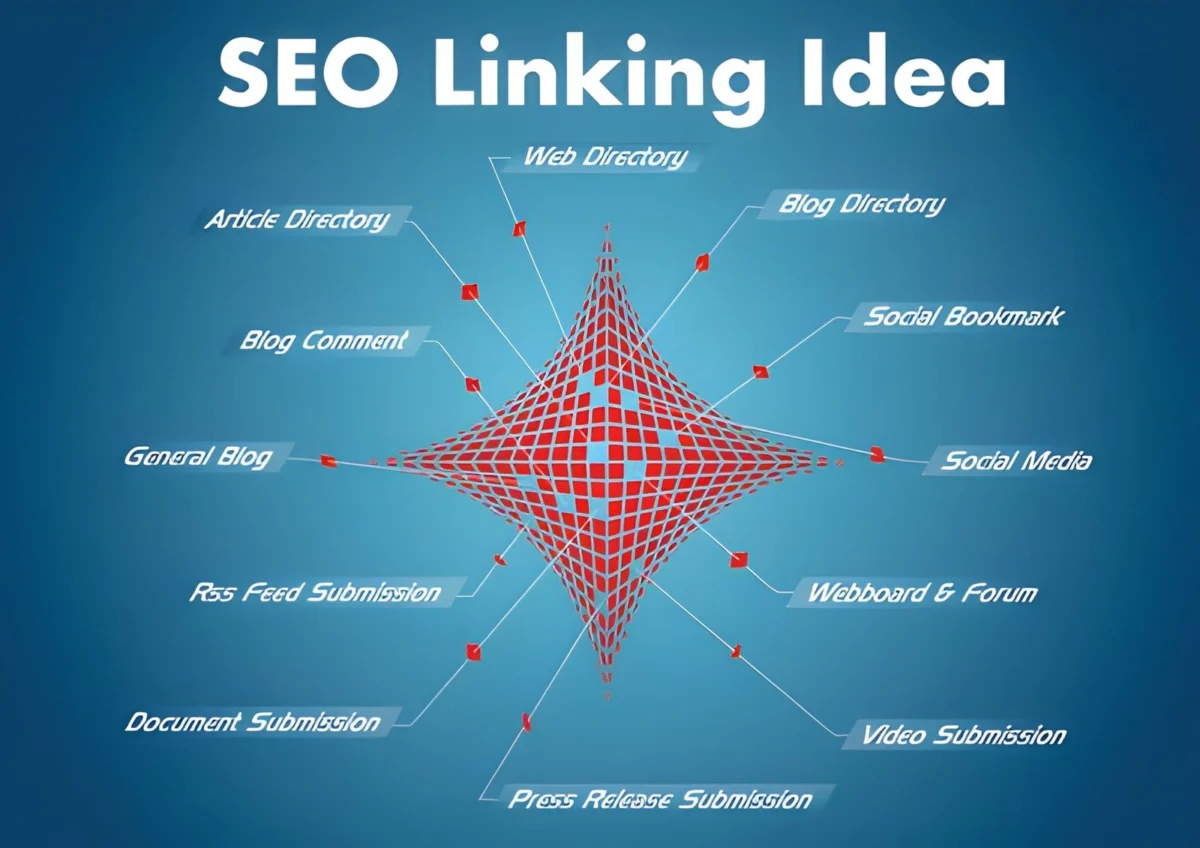

Understanding Internal Linking
Internal linking is the practice of connecting one page on a website to another page within the same domain. These links are crucial for guiding both users and search engines through a site’s content, establishing a clear hierarchy, and distributing page authority effectively. Implementing a strategic internal linking strategy can significantly enhance your website’s SEO performance. Vazoola, a leading SEO marketing firm, offers comprehensive insights into effective internal linking practices, emphasizing its importance in improving site navigation and search engine rankings.
The Role of Internal Links in SEO
Internal links serve multiple purposes in search engine optimization (SEO):
- Enhancing Crawlability: Search engines use internal links to discover and index new pages, ensuring that all content is accessible and can appear in search results.
- Distributing Link Equity: By linking to various pages, internal links help distribute the authority gained from external backlinks, boosting the ranking potential of linked pages.
- Improving User Experience: Well-placed internal links guide visitors to related content, increasing engagement and reducing bounce rates.
Best Practices for Effective Internal Linking
To maximize the benefits of internal linking, consider the following strategies:
- Use Descriptive Anchor Text: Employ clear and relevant anchor text that accurately describes the linked content, aiding both users and search engines in understanding the context.
- Maintain a Logical Site Structure: Organize content hierarchically, with main categories linking to subcategories and individual pages, creating a coherent and navigable structure.
- Avoid Overlinking: While internal links are beneficial, excessive linking can overwhelm users and dilute link equity. Focus on quality over quantity.
Common Mistakes to Avoid
Be mindful of these pitfalls when implementing internal linking:
- Orphaned Pages: Ensure all important pages are linked from other parts of the site to prevent them from being overlooked by search engines.
- Broken Links: Regularly audit your site to identify and fix broken internal links that can hinder user experience and SEO performance.
- Generic Anchor Text: Avoid using vague phrases like “click here.” Instead, use specific, keyword-rich anchor text that provides context.
Dive Deeper: Strategic Placement of Internal Links
When considering your internal linking strategy, it is important to be intentional about where you place links within your content. Links placed near the top of a page, particularly within introductory or context-establishing paragraphs, signal to users and search engines that the linked pages are high priority or particularly relevant. Additionally, contextual links, those added naturally within body text, usually provide more SEO benefit than links that are buried in footers, sidebars, or navigation menus. By integrating links in ways that assist users at key decision points or when further information is needed, you not only improve SEO but also foster a more intuitive on-site experience.
Additionally, grouping related content using internal links can support content clusters or topic silos, which are powerful for building topical authority. For example, a central “pillar” article on a broad subject should link out to more specific, supporting articles. These supporting articles, in turn, link back to the pillar, creating a tightly interconnected network that enhances both user navigation and search engines’ understanding of your site’s subject-matter expertise.
Case Study: The Impact of Strategic Internal Linking
Consider a website that implemented a structured internal linking strategy, focusing on connecting related content and using descriptive anchor text. Within three months, the site experienced a 34% increase in crawl budget efficiency and a 22% rise in target page rankings, demonstrating the tangible benefits of thoughtful internal linking.
In another real-world scenario, an e-commerce site struggling with product pages buried deep within its site structure reorganized its approach. By linking related products within category descriptions and strategically connecting popular blog posts to key conversion pages, they saw a marked improvement in both user engagement and organic rankings. Internal search analytics highlighted that users were spending 18% more time on the site, a metric correlated with higher consumer trust and improved sales potential.
Tools to Assist with Internal Linking
Several tools can help streamline the internal linking process:
- SEO Auditing Tools: Platforms like Screaming Frog and Ahrefs can identify internal linking opportunities and issues.
- Content Management Systems (CMS): Many CMS platforms offer plugins or features that suggest internal links based on content relevance.
- Automated Internal Linking Plugins: For WordPress and other major CMSs, there are dedicated plugins, such as Link Whisper or Rank Math, that automatically suggest or create internal links as you publish new content, helping maintain a consistent linking structure as your site grows.
- Custom Scripts and Site Maps: For larger sites, using custom scripts to identify unlinked pages or periodically generating and reviewing internal HTML sitemaps can uncover hidden opportunities for improved linking.
Advanced Strategies for Internal Linking
For websites seeking to gain a competitive edge, advanced internal linking strategies can be employed. Leveraging data from Google Search Console, you can identify high-performing pages and funnel authority from these pages to underperforming or newly launched content. By continually iterating on and evolving your internal linking based on analytics, you can proactively support your most strategic keywords and revenue-generating pages.
Another innovative approach is to A/B-tes different internal linking paths to measure their impact on user behavior and rankings. For instance, you might experiment with linking to long-form resources from product pages rather than from blog articles, then monitor which path increases conversions or time on site most effectively. Personalized internal links based on user behavior or interests, using cookies or machine learning, can further optimize navigation and engagement, especially on content-rich or e-commerce platforms.
Conclusion
Internal linking is a fundamental SEO factor that influences how search engines and users navigate and perceive your website. By implementing strategic internal linking practices, you can enhance your site’s visibility, authority, and user engagement, leading to sustained SEO success.
Read more: What to Expect During Alcohol Rehab Treatment
How Childhood Trauma Shapes Adult Mental Health
Why LGBTQ+ People Face Unique Addiction Challenges

Leave a Comment