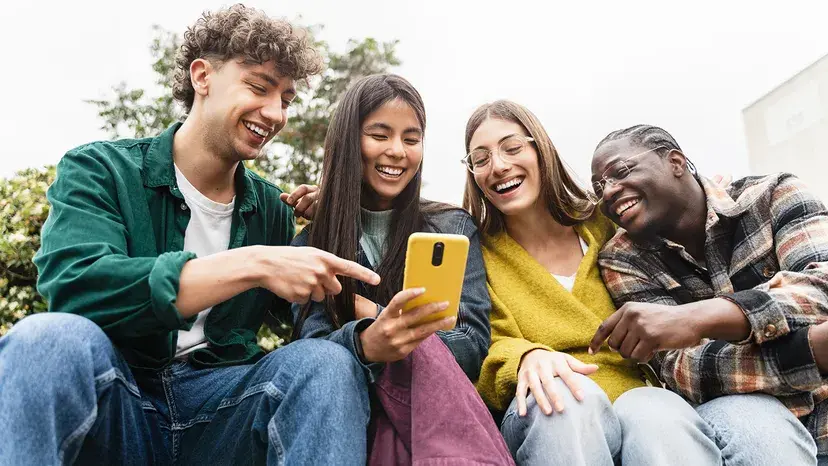

Fandom has always been about more than liking a film, artist, show, game, or book. It is a way of building identity, finding community, learning shared language, and turning entertainment into social life. Millennials and Zoomers both participate in fandom, but they do so through different media systems. Millennials helped move fandom from clubs, forums, fan sites, and early social platforms into the mainstream. Zoomers inherited that world and made fandom faster, more visual, more fragmented, and more public.
The difference comes from how each generation learned to use the internet. Millennials often joined fandom through dedicated spaces, where long discussions, fan fiction, message boards, and archives shaped participation. Zoomers often meet fandom through feeds, edits, clips, comments, and creator commentary, where a phrase like forest arrow apk can appear beside fan theories, game references, reaction videos, and entertainment discourse in the same digital stream.
Millennial Fandom Was Built Around Dedicated Spaces
Millennial fandom developed in a more organized online environment. Fans often gathered on forums, fan sites, blogs, chat rooms, and early social networks. These spaces had rules, moderators, usernames, archives, and long threads. To participate, a fan often had to enter a specific community and learn its norms.
This made fandom feel like a destination. A person went to a website or forum because they wanted to discuss a specific show, artist, book series, or game. The community was built around shared attention. Members wrote theories, created fan fiction, shared artwork, debated plot points, and followed updates together.
This structure encouraged depth. Discussions could last for weeks. Fan works could be stored and revisited. Inside jokes developed over time. A fan’s reputation depended on contribution, knowledge, and consistency.
For Millennials, fandom often meant belonging to a place. The platform mattered because it held the community together.
Zoomer Fandom Moves Through Feeds
Zoomer fandom is less tied to one destination. It moves through short videos, comment sections, group chats, fan edits, livestreams, private accounts, screenshots, and algorithmic recommendations. A user may enter a fandom without searching for it directly. The feed introduces the character, song, actor, creator, theory, or aesthetic first.
This changes the path into fandom. A Zoomer may see a fan edit before watching the original show. They may know a ship, meme, or dramatic scene before they understand the full story. They may follow fan accounts before becoming familiar with the source material.
Fandom becomes more fragmented, but also more accessible. A person does not need to join a forum or read a long archive to begin. They can like, save, repost, comment, or use a sound. Small actions become entry points.
For Zoomers, fandom often feels like a stream. The community is not always in one place. It appears wherever the content circulates.
Nostalgia vs Real-Time Participation
Millennial fandom often has a strong nostalgia layer. Many Millennials remain attached to media that shaped their childhood, teenage years, or early adulthood. Reboots, reunions, anniversary content, old interviews, and behind-the-scenes material can carry emotional weight because they connect fans to a past version of themselves.
This does not mean Millennials only look backward. They join new fandoms too. But their fan identity often includes memory. A favorite series or band may represent school, early internet life, first friendships, or a period before constant digital overload.
Zoomer fandom is more tied to real-time participation. The value often comes from being present while something is happening: a new episode drop, a creator controversy, a live performance, a trend, a theory cycle, or a fan debate. Timing matters.
A Zoomer fan may feel pressure to understand the current joke, react to the latest clip, or know the newest interpretation. Fandom becomes live culture. Missing a few days can mean missing context.
Fan Labor Became More Visible
Both generations create fan labor, but the form has changed. Millennial fan labor often included long posts, fan fiction, fan art, subtitled clips, theory essays, forum moderation, and archive building. Much of this work lived inside fandom spaces and circulated among people already invested.
Zoomer fan labor is more visible to outsiders. Fan edits, short explainers, reaction videos, ranking posts, aesthetic boards, meme formats, and clip compilations can reach users who are not yet fans. The labor becomes marketing, interpretation, and recruitment at the same time.
This gives fans more cultural power. A strong edit can make a character popular. A theory video can change how viewers understand a story. A meme can keep a show alive after release. A fan account can become a media source.
The fan is no longer only responding to entertainment. The fan helps distribute it.
Identity and Fandom
Millennials often used fandom to declare taste. Being a fan of a genre, band, film series, or game could become part of a person’s profile. The identity was often stable and connected to long-term attachment.
Zoomers use fandom more fluidly. A person can belong to several micro-fandoms at once and move between them quickly. Fandom may be tied to a character, ship, aesthetic, creator, sound, or short-lived trend rather than one complete franchise.
This does not make Zoomer fandom shallow. It reflects a different identity system. Zoomers use fandom to test style, humor, values, and belonging in public. A repost or edit can signal identity without requiring a full explanation.
Fandom becomes a flexible language. It lets users say who they are, who they understand, and where they belong.
Conflict and Gatekeeping
Fandom conflict also differs by generation. Millennial fandom often had gatekeeping around knowledge and participation. Longtime fans might question whether newer fans knew enough, read enough, watched enough, or respected community rules.
Zoomer fandom still has gatekeeping, but it often centers on ethics, interpretation, representation, and social behavior. Fans debate whether a character is being understood correctly, whether a ship is acceptable, whether a creator has acted responsibly, or whether a fandom space is safe.
This reflects wider changes in online culture. Fandom is no longer separated from social identity and public values. Enjoyment is often discussed alongside politics, morality, and community standards.
The result can be productive, but also exhausting. Fandom can create belonging and conflict at the same time.
Platforms Changed Emotional Intensity
Platform design intensifies fandom. Algorithms reward strong reactions, repeated engagement, and conflict. This can make Zoomer fandom feel faster and more emotional than older fan spaces. A small debate can become large because the platform spreads it beyond the original community.
Millennial fandom had drama too, but it was often more contained. Forum conflicts stayed inside forums. Blog debates stayed inside networks of readers. Today, a fan argument can escape into general feeds and become content for people outside the fandom.
This increases visibility but reduces control. Fans can build communities quickly, but they can also lose control of their own conversations.
Conclusion: Fandom Moved From Communities to Circulation
Millennial and Zoomer fandoms share the same core desire: connection through entertainment. Both generations use fandom to understand stories, build identity, and find people with shared references. What changed is the structure.
Millennial fandom was often built around dedicated spaces, long-term attachment, archives, and discussion. Zoomer fandom is built around feeds, edits, comments, timing, and visible fan labor. Millennials often treat fandom as a place to return to. Zoomers often treat it as a stream to participate in.
Neither model is better. Each reflects the internet that shaped it. Fandom did not disappear or become less serious. It became faster, more public, and more connected to identity. The fan is no longer just someone who loves a cultural object. The fan is now part of how that object travels.
Also Read-
- Innovative Technologies in Metalworking Equipment
- How Bookkeeping Services Enhance Business Planning
- 2222 Angel Number Meaning: Unlocking Its Spiritual, Love, and Life Guidance





Leave a Comment