
Every system — whether it’s a network of pipes underground, a digital architecture, or a building’s infrastructure — depends on the integrity of its components. When those components break down, the ripple effects can be far more damaging than most people anticipate.
Structures don’t fail overnight. They deteriorate gradually, quietly, and often invisibly — until the day they don’t. Understanding how structural breakdown affects overall system performance is essential for property owners, facility managers, engineers, and anyone responsible for maintaining physical or digital infrastructure.
What do we mean by “broken structures”?
A “broken structure” refers to any component within a system that has degraded to the point where it can no longer perform its intended function. This spans a wide range of domains — from cracked sewer lines and corroded pipework to failing server architectures and compromised load-bearing elements in buildings.
The common thread is this: structural failure doesn’t exist in isolation. It triggers cascading consequences across the entire system it belongs to. A single weak point can stress everything connected to it.
The cascade effect: how one break disrupts everything
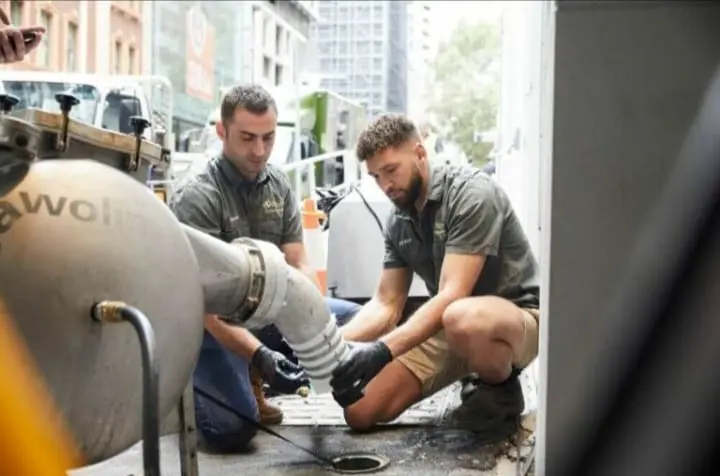
When a structural component fails, it rarely causes just one problem. Think of a drainage network beneath a commercial property. A single collapsed pipe doesn’t just slow water flow — it creates pressure buildups upstream, introduces contaminants into adjacent lines, accelerates wear on surrounding infrastructure, and ultimately forces the entire network to work harder just to maintain baseline function.
Performance degradation follows a pattern: initial failure → localised stress → compensatory overload in adjacent components → system-wide inefficiency → secondary failures. The longer the root cause goes unaddressed, the more expensive and complex the restoration becomes.
This is particularly visible in drainage and plumbing infrastructure. Take the issue of blocked drains inner west a common challenge in older urban precincts where ageing pipe networks face increased load from densification. A single blockage, if left untreated, doesn’t just inconvenience one property. It can compromise shared stormwater infrastructure, back up into neighbouring systems, and cause structural damage to surrounding soil and foundations over time.
Performance indicators of a failing structure
Recognising early warning signs is the most effective way to prevent full system failure. Across physical infrastructure, the signs tend to follow predictable patterns:
- Reduced throughput — water draining slowly, data processing taking longer, ventilation losing pressure
- Irregular outputs — fluctuating pressure, inconsistent performance, unexpected surges
- Increased energy or resource consumption — the system working harder to achieve the same results
- Visible wear or damage — cracks, corrosion, pooling, discolouration
- Unusual sounds or odours — gurgling pipes, strange machine noise, chemical smells
These symptoms aren’t just inconveniences. They’re diagnostic data — signals that the structure’s ability to perform is compromised and deteriorating.
Why delayed intervention compounds the damage
One of the most costly misconceptions in infrastructure management is the belief that a partial failure is an acceptable short-term state. The thinking goes: “It’s still working, just not perfectly. We’ll fix it later.” This logic is flawed for a fundamental reason — degraded structures don’t stabilize on their own. They worsen.
As one component labours under the strain of a broken neighbour, its own wear accelerates. What began as a single repair job became a multi-system restoration. The financial cost multiplies. The downtime extends. The risk of secondary damage — to property, operations, or safety — escalates significantly.
In physical infrastructure, this principle is well established. Deferred maintenance on drainage and pipework is consistently one of the top causes of major structural failure in both residential and commercial properties. The cost of reactive emergency repair is, on average, three to five times higher than the cost of proactive maintenance.
What genuinely restores system performance?
Restoration — not just repair — requires addressing the root cause rather than the symptom. There are several approaches that consistently deliver long-term results:
Diagnostic investigation before intervention. Effective restoration begins with understanding the full scope of the problem. CCTV drain inspection, pressure testing, thermal imaging, and structural audits give decision-makers accurate data before committing to a solution. Guesswork is expensive.
Targeted structural repair over broad replacement. Modern techniques allow for highly precise repairs — pipe relining, localised patching, component-level replacement — that restore functionality without requiring full system shutdown or excavation. This is both cost-effective and minimally disruptive.
Addressing the contributing conditions. A blocked or broken structure often has upstream causes: root intrusion, soil movement, material fatigue, design inadequacy, or improper use. Restoring performance means resolving those contributing conditions, or the same failure will recur.
Preventive maintenance scheduling. Once restored, systems perform at their peak when maintained on a regular schedule. Annual inspections, routine clearing, and condition monitoring catch early-stage issues before they progress into structural failures.
The gold standard of system restoration isn’t just returning to baseline — it’s restoring to optimal performance and building in resilience against future degradation. That requires both skilled intervention and an ongoing maintenance commitment.
The long-term value of structural integrity
It’s easy to frame infrastructure maintenance as a cost. But structural integrity is, in fact, an asset. A well-maintained drainage system, building framework, or technical infrastructure retains its performance over a longer lifespan, protects the value of surrounding assets, reduces operational disruption, and avoids the unpredictable costs of emergency failure.
For property owners and facility managers, the calculus is straightforward: invest proactively in structural health, or pay reactively when things break down. History — and the data — consistently favour the proactive approach.
For communities and urban planners, structural integrity across shared infrastructure is foundational to liveability. Ageing systems in established suburbs require attention precisely because their failure mode is slow and invisible — until it isn’t.
Conclusion
Broken structures are rarely isolated problems. They are catalysts for broader system failure — degrading performance, accelerating wear, multiplying costs, and creating risks that extend well beyond the original point of failure. Recognising the early signs, understanding the cascade dynamics, and committing to proper restoration — rather than temporary patches — is what separates high-performing, resilient systems from those perpetually in decline.
Whether you’re managing physical infrastructure or complex technical systems, the principle remains the same: structural health is system health. Protect one, and you protect the other.
Also Read
- Innovative Technologies in Metalworking Equipment
- Liability Insurance Essentials for Growing Businesses
- Chihiro Meaning and Hiatus Meaning: Deep Origins, Modern Uses, and Real-Life Examples






Leave a Comment