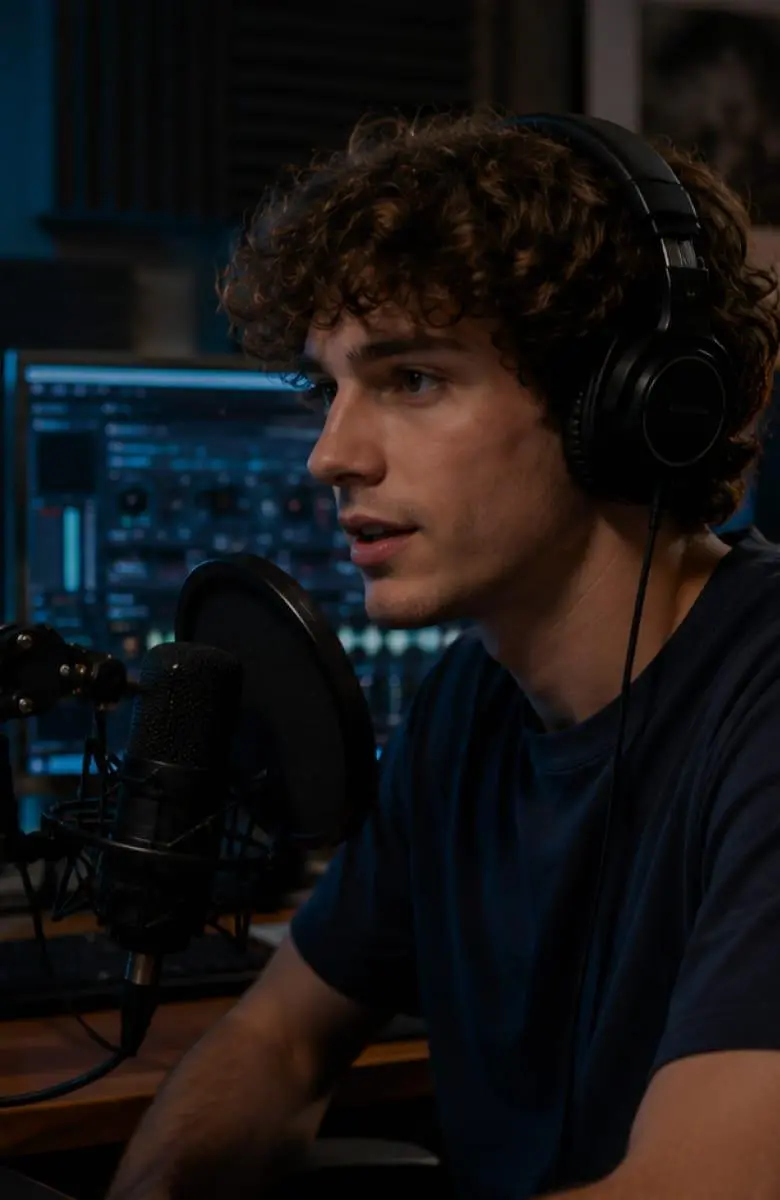

Not every video needs the same kind of sound. A product demonstration might depend on clear narration and subtle background music. A short film may need environmental effects, dialogue, and carefully timed changes in atmosphere. A social media clip could rely on a few seconds of energetic audio to capture attention.
This variety is one reason AI-assisted audio has become an interesting part of modern content creation. Instead of approaching sound as a fixed resource, creators can experiment with audio that is shaped around the needs of a particular project. Seedaudio 1.5 offers another way to explore this approach, allowing creators to consider sound as part of the overall creative process. The technology is useful, but the real advantage comes from understanding where it fits.
Short-form creators: make limited time count
Short-form content leaves very little room for unnecessary elements. Viewers may decide within seconds whether a clip is worth watching, so both visual and audio choices need to work quickly. Audio can establish the mood almost immediately.
A creator making a quick travel clip might use environmental sounds to make a location feel more present. Someone creating a humorous video could use a well-timed effect to emphasize a reaction. A tutorial might benefit from clear narration supported by restrained background audio. In each case, the sound has a specific purpose rather than simply filling the soundtrack.
Storytellers: create a sense of place
Narrative projects depend heavily on atmosphere. Consider a character walking through a forest. The image tells viewers where the character is, but the audio can make that location feel calm, threatening, mysterious, or isolated.
This is where environmental sound becomes valuable. Wind, distant movement, footsteps, insects, water, and other subtle elements can make a fictional setting feel more developed. Creators exploring Seedaudio 2.0 can think about these sounds as storytelling tools rather than isolated effects. The goal is to strengthen the scene’s emotional direction.
Educators: use sound to support understanding
Educational videos have different priorities. The audience needs to understand the speaker, follow the explanation, and recognize important changes in the lesson. Excessive background music or distracting effects can make this more difficult. For educational content, simplicity is often an advantage.
Audio can still make lessons more engaging, though. For example, an instructor explaining a historical event could use carefully chosen environmental elements to introduce a subject. A science lesson could use sound to support an animation or demonstration. The important principle is that audio should reinforce the lesson instead of competing with it.
Product creators: make demonstrations feel complete
Product videos often focus heavily on visual details. However, sound can influence how professional and understandable the demonstration feels. Imagine a video showing a mechanical product being assembled. Small sounds associated with movement or operation can help viewers understand what is happening.
Narration can also guide attention toward particular features, while subtle music can provide continuity between sections. Creators should be careful, however, not to exaggerate every sound. If an ordinary action is given an unusually dramatic effect, the result may feel less believable.
Podcasters and interview creators: protect the voice
For spoken content, clarity matters more than spectacle. AI-assisted audio can be useful for experimenting with supporting elements, but the main voice should remain the focus. Background music should not overpower speech, and effects should have a clear reason for being present.
A good spoken-content workflow therefore begins by protecting the dialogue. Once the primary voice is comfortable to hear, supporting audio can be introduced carefully. This principle also applies to video podcasts and interview clips created for social platforms.
Animation projects: sound can explain movement
Animation provides another interesting use case because visual actions may not have a real-world recording available. A character could jump several meters, transform into another object, or interact with something imaginary. Traditional recording may not provide an obvious sound for such events.
AI-generated audio gives creators another way to experiment with these moments. The sound does not necessarily need to imitate reality perfectly. In animation, exaggerated or stylized audio may actually communicate the action more effectively.
Marketing teams: test different moods
Marketing content often requires multiple creative variations. The same visual campaign may need different versions for different audiences, platforms, or moods. AI-assisted audio can make it easier to explore several directions before choosing a final approach.
For example, a brand might test a calm soundtrack against a more energetic one. Rather than assuming the first idea is correct, the team can compare how each version changes the viewer’s experience. This makes experimentation an important part of the process.
Independent creators: work within smaller budgets
Professional audio production can require specialized equipment, recording spaces, performers, editors, and licensing arrangements. Not every creator has access to those resources. AI tools can provide another starting point for people producing content independently. That does not mean traditional production methods are unnecessary. Instead, creators can choose the approach that makes sense for the project’s budget, quality expectations, and timeline. Those interested in exploring AI-assisted creative production can use Dreamina to discover how audio capabilities can fit alongside other content-creation workflows.
Choose the approach according to the audience
The biggest lesson is that audio should not be selected simply because it is available. Think about the audience first. Someone watching a fast social clip may respond to immediate rhythm and energy. A student may need clear speech and minimal distractions. A film audience may expect detailed environmental sound that changes with the story. Seedaudio 2.0 can be considered when shaping audio around these different needs. Different audiences create different audio priorities.
Final Thoughts
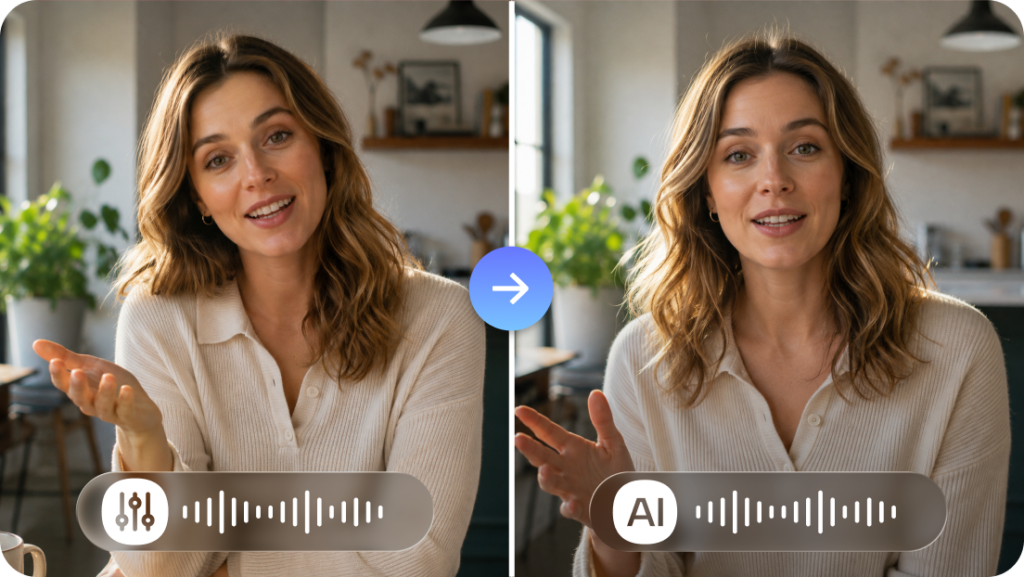
AI-assisted audio has applications across many forms of creative work, but there is no universal audio formula. Short videos, educational content, storytelling, marketing, animation, and spoken media all have different requirements. The strongest results come from matching sound to the purpose of the content. Instead of asking how much audio can be added, creators should ask what the audience needs to hear and why. As AI audio technology develops, that purpose-driven approach can help creators experiment more efficiently while keeping the creative decisions firmly in human hands.
FAQs
Which types of content can benefit from AI-generated audio?
Many formats can use it, including short-form videos, animation, educational material, storytelling projects, product demonstrations, marketing content, and podcasts.
Should educational videos use background music?
They can, but it should remain secondary to the speaker. If music makes the explanation harder to follow, removing or reducing it may produce a better result.
Can AI audio work for animated videos?
Yes. Animation often involves actions that do not have obvious real-world recordings, making generated or creatively designed sounds useful for experimentation.
How can marketers use AI audio without making content feel generic?
They can test different audio directions based on the campaign’s audience and message instead of automatically choosing the most dramatic or energetic option.
Does AI-generated audio eliminate the need for professional sound designers?
Not necessarily. Professional sound designers remain valuable for complex productions, detailed mixing, creative direction, and projects with demanding audio requirements.
Also Read-What Types of Businesses Benefit Most From SMS Communication?






Leave a Comment