
Nepal is home to some of the world’s most iconic trekking routes, attracting adventure seekers with breathtaking mountain scenery, rich cultural heritage, and unforgettable hiking experiences. Among the many options available, the Everest Base Camp Trek and the 7 Days Annapurna Base Camp Trek stand out as two of the most sought-after journeys in the Himalayas.
While both treks offer remarkable landscapes and rewarding experiences, they cater to different types of trekkers. Understanding the differences in difficulty, altitude, cost, scenery, and overall experience can help you choose the trek that best matches your goals and fitness level.
Overview of the Everest Base Camp Trek and 7 Days Annapurna Base Camp Trek
The Everest Base Camp Trek takes travelers deep into the Khumbu region, leading to the foot of the world’s highest mountain. The route passes through Sherpa villages, suspension bridges, alpine valleys, and ancient monasteries before reaching Everest Base Camp.
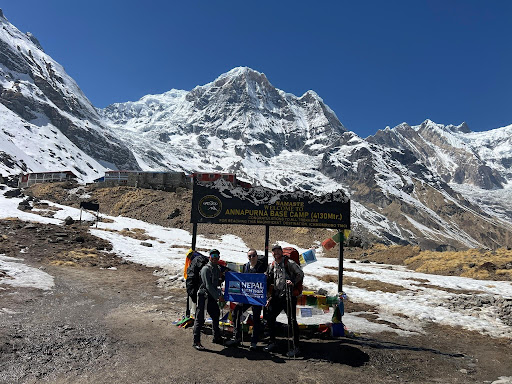
The 7 Days Annapurna Base Camp Trek is a shorter but equally rewarding adventure. This route travels through rhododendron forests, terraced farmlands, and traditional mountain settlements before arriving at the spectacular Annapurna Sanctuary, surrounded by towering Himalayan peaks.
Trek Duration and Route Comparison
One of the biggest differences between these two Himalayan trekking experiences is the duration. The Everest Base Camp Trek typically requires 12 to 14 days, allowing proper acclimatization at higher elevations. The longer itinerary provides ample opportunities to explore local culture and mountain landscapes.
In contrast, the 7 Days Annapurna Base Camp Trek is designed for travelers with limited time. The shorter route makes it easier for those seeking a high-altitude adventure without committing to a lengthy expedition.
Mountain Scenery and Landscape Differences
The Everest region is famous for dramatic glaciers, rugged terrain, and panoramic views of Mount Everest, Lhotse, Nuptse, and Ama Dablam. The landscape becomes increasingly alpine as trekkers gain elevation, creating a classic high-mountain environment.
The Annapurna region offers greater landscape diversity. Trekkers move through lush forests, waterfalls, bamboo groves, and traditional villages before reaching the breathtaking amphitheater of snow-covered peaks at Annapurna Base Camp. This constant change in scenery keeps the journey visually engaging from start to finish.
Trek Difficulty, Fitness Requirements, and Endurance
The Everest Base Camp Trek is generally considered more demanding due to its longer duration and higher altitude. Daily walking hours can be challenging, requiring good cardiovascular fitness and mental endurance.
The 7 Days Annapurna Base Camp Trek is moderate in difficulty. Although there are steep ascents and descents, the lower altitude and shorter itinerary make it accessible to many first-time trekkers who maintain a reasonable level of fitness.
Altitude, Acclimatization, and Safety Considerations
Altitude plays a major role in trekking safety. Everest Base Camp sits at approximately 5,364 meters, increasing the likelihood of altitude-related symptoms. Proper acclimatization days are essential to reduce risks and ensure a safe trekking experience.
Annapurna Base Camp reaches around 4,130 meters, which is still high enough to require caution but generally presents a lower risk of severe altitude sickness. Staying hydrated, maintaining a steady pace, and following a well-planned itinerary remain important on both routes.
Cultural Experiences Along the Trail
The Everest region offers a unique glimpse into Sherpa culture. Trekkers encounter colorful monasteries, prayer flags, Buddhist traditions, and welcoming mountain communities that have supported climbers and trekkers for generations.
The Annapurna region provides exposure to Gurung and Magar cultures. Traditional villages, local hospitality, and authentic mountain lifestyles create meaningful cultural interactions that enhance the trekking experience beyond the scenery.
Accommodation, Food, and Trail Facilities
Both treks rely on tea houses that provide accommodation, meals, and basic services. Along the Everest Base Camp Trek, facilities are generally well-developed due to the route’s global popularity.
The Annapurna Base Camp route also offers comfortable tea houses with traditional meals and essential amenities. Food options on both trails typically include rice dishes, noodles, soups, potatoes, and locally prepared specialties that help maintain energy during long hiking days.
Cost Comparison: Which Trek Offers Better Value?
Budget is often an important factor when choosing a trekking destination. The Everest Base Camp Trek generally costs more due to domestic flights, higher transportation expenses, permits, guides, and increased costs at higher elevations.
The 7 Days Annapurna Base Camp Trek is usually more budget-friendly. Lower transportation expenses and a shorter trekking schedule help reduce overall costs, making it attractive for travelers seeking value without sacrificing spectacular mountain views.
Best Time to Trek in the Everest and Annapurna Regions
Spring and autumn are considered the best trekking seasons for both destinations. During these months, clear skies, stable weather, and excellent visibility create ideal conditions for mountain photography and scenic hiking.
Winter trekking is possible but brings colder temperatures, while the monsoon season can result in rain, slippery trails, and reduced visibility. Careful planning is recommended regardless of the chosen route.
Who Should Choose the Everest Base Camp Trek or the 7 Days Annapurna Base Camp Trek?
The Everest Base Camp Trek is ideal for adventure enthusiasts seeking a world-famous trekking challenge, high-altitude landscapes, and the opportunity to stand beneath the highest mountain on Earth.
The 7 Days Annapurna Base Camp Trek is better suited for travelers who want a shorter Himalayan adventure with diverse scenery, cultural immersion, and a more accessible trekking experience. It offers an excellent balance between challenge and comfort while delivering unforgettable mountain views.
Conclusion
Both the Everest Base Camp Trek and the 7 Days Annapurna Base Camp Trek showcase the extraordinary beauty of the Himalayas. The right choice depends on your available time, fitness level, budget, and personal trekking goals.
If reaching the base of Mount Everest is your dream, the Everest route delivers a legendary experience. If you prefer a shorter journey filled with diverse landscapes and rich cultural encounters, the Annapurna trek is an outstanding alternative.
Regardless of which trail you choose, both adventures promise breathtaking scenery, memorable cultural experiences, and a deeper appreciation of Nepal’s mountain heritage. We’re Nepal High Trek And Expedition Pvt. Ltd., based in Kathmandu, specializing in treks, climbs, and more for solo travelers and private groups.
Contact us at info@nepalhightrek.com or WhatsApp +977 9851142116.
Read more: How Financing Options Can Simplify Your Next Vehicle Purchase
What Modern Drivers Expect from Premium Automotive Brands
Why Mesh Motorcycle Intercom Is Transforming Modern Riding Experiences

Leave a Comment