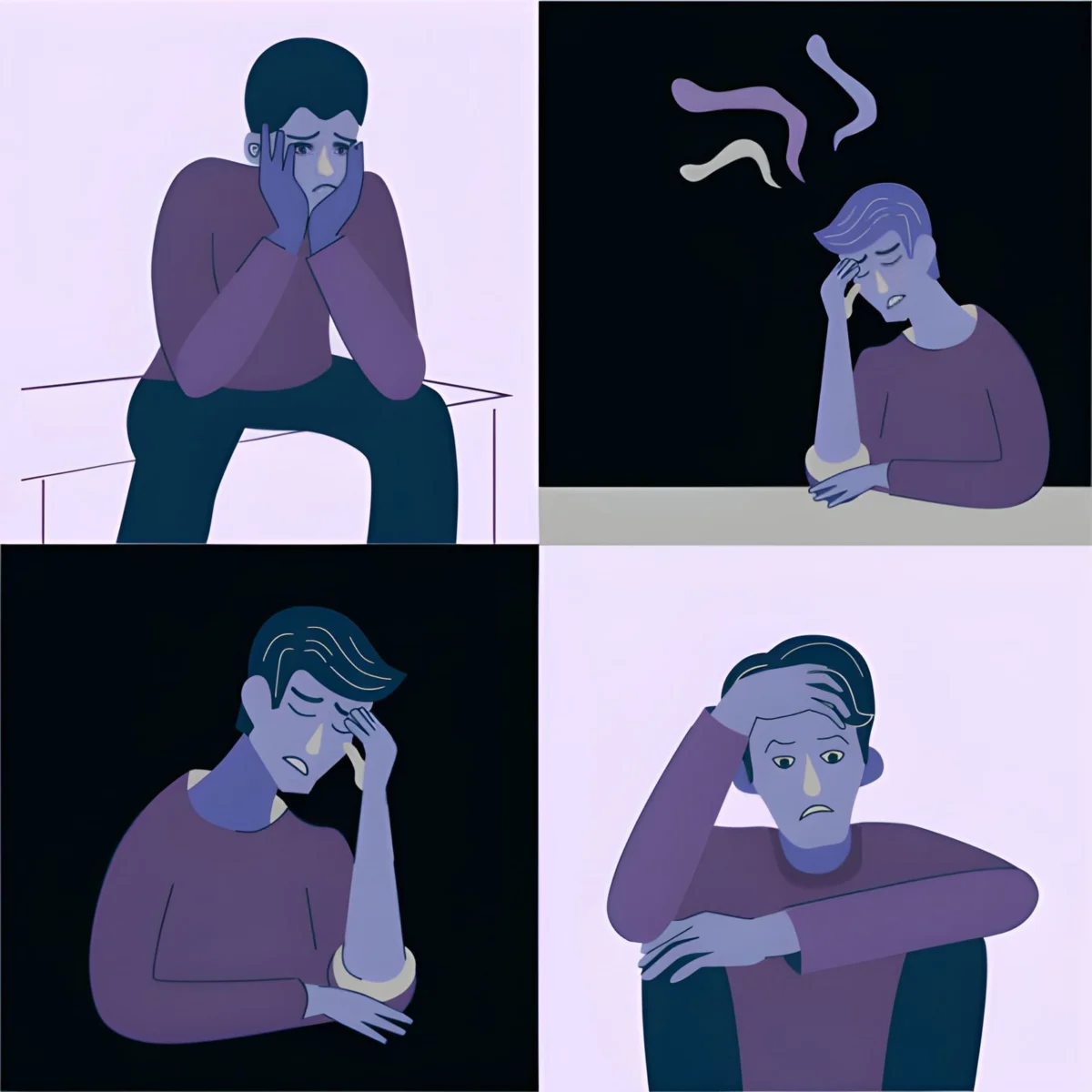

Most people who experience psychosis do not have a dramatic breakdown overnight. The changes tend to be gradual, subtle, and easy to explain away. A teenager starts sleeping at odd hours and withdrawing from friends. A young adult becomes convinced that strangers are watching them. A colleague begins making references to patterns or messages that no one else can see. By the time family members realize something serious is happening, weeks or months may have already passed. Knowing what to look for, and why it matters to act early, can change the outcome significantly.
What Psychosis Actually Is
Psychosis is not a diagnosis on its own. It is a symptom cluster, a state in which a person loses contact with shared reality in some meaningful way. That can mean hearing voices, seeing things others do not see, holding beliefs that have no basis in fact and cannot be shifted by evidence, or experiencing a profound disruption in how thoughts are organized. These experiences feel entirely real to the person having them. That is one of the things that makes psychosis so disorienting for loved ones: the person in question is not pretending and is not being dramatic.
Psychosis can occur as part of several different conditions. Schizophrenia is the most widely known, but psychosis also appears in bipolar disorder, major depression with psychotic features, schizoaffective disorder, and as a result of substance use or a medical condition such as a brain tumor or autoimmune encephalitis. The underlying cause matters enormously for treatment planning, which is why proper assessment by a qualified clinician is not optional.
Recognizing the Early Warning Signs
The period before a full psychotic episode, sometimes called the prodromal phase, can last anywhere from weeks to a couple of years. During this window, symptoms are present but often mild enough to be misread as depression, anxiety, or normal adolescent behavior. Catching these signs early gives clinicians and families the best chance to intervene before a full break occurs.
- Social withdrawal: pulling away from friends, family, and activities the person used to enjoy
- Declining function at school or work: missed deadlines, falling grades, difficulty concentrating
- Unusual beliefs: suspiciousness, paranoia, or ideas that seem odd or disconnected from reality
- Perceptual changes: hearing sounds or seeing things that others do not notice, or heightened sensitivity to light and sound
- Disorganized thinking: conversations that jump topics without logic, difficulty finishing sentences or thoughts
- Flat or inappropriate affect: reduced emotional expression, or emotions that do not match the situation
- Neglect of hygiene and self-care: a noticeable drop in grooming or basic daily functioning
- Sleep disturbances: sleeping at strange hours, insomnia, or sleeping far more than usual
None of these signs alone confirms psychosis. But a cluster of them, especially in someone between the ages of 15 and 30, is reason to seek a professional evaluation. That age range matters because psychosis most commonly first appears in late adolescence and early adulthood. According to the National Alliance on Mental Illness (NAMI), approximately 100,000 people in the United States experience a first episode of psychosis each year, and the average age of onset is in the early to mid-twenties.
Positive, Negative, and Cognitive Symptoms
Clinicians typically organize psychosis symptoms into three categories. Understanding these categories helps explain why treatment is multifaceted and why different people with the same diagnosis can look very different from one another.
| Category | What It Means | Common Examples |
| Positive symptoms | Experiences added on top of ordinary reality | Hallucinations, delusions, disorganized speech, agitated behavior |
| Negative symptoms | Reduction or absence of normal functioning | Flat affect, lack of motivation, social withdrawal, reduced speech |
| Cognitive symptoms | Impairments in thinking and memory | Poor concentration, difficulty processing information, impaired working memory |
Positive symptoms tend to get the most attention because they are the most visible. But negative and cognitive symptoms are often more disabling in the long run. Someone may no longer hear voices after starting medication, yet still struggle to hold a job or maintain relationships because motivation and cognitive sharpness have not fully returned. Effective treatment addresses all three categories, not just the most dramatic ones.
What Causes Psychosis
There is no single cause. Research consistently points to a combination of genetic vulnerability and environmental triggers. Having a first-degree relative with schizophrenia raises a person’s lifetime risk from about 1 percent to roughly 10 percent, according to data from the American Psychiatric Association. Identical twins show a concordance rate of around 40 to 50 percent, which means genetics plays a significant role without being the whole story.
Environmental factors that increase risk include prenatal exposure to infection or malnutrition, complications during birth, childhood trauma, and cannabis use, particularly heavy use of high-potency strains during adolescence. Urban living and social isolation have also been associated with higher rates of psychosis, though researchers continue to study the mechanisms behind these patterns.
Substance use deserves particular mention. Stimulants like methamphetamine and cocaine can trigger psychosis even in people with no prior psychiatric history. Cannabis-induced psychosis is increasingly recognized as a distinct presentation, and while it often resolves with abstinence, it can also be a gateway to a longer-term psychotic disorder in vulnerable individuals. Any assessment for psychosis should include a thorough substance use history.
What Effective Treatment Looks Like
Early treatment produces meaningfully better outcomes than delayed treatment. A landmark study from the RAISE project, funded by the National Institute of Mental Health, found that people who received coordinated specialty care shortly after a first episode of psychosis showed greater improvement in quality of life, symptoms, and functioning compared to those receiving standard community care. The study emphasized that time between onset and treatment matters.
Coordinated specialty care typically includes antipsychotic medication, individual psychotherapy (often cognitive behavioral therapy adapted for psychosis), family education and support, supported employment or education, and case management. No single component is sufficient on its own. Medication reduces positive symptoms for many people, but without the therapy and life-skills support, the person often struggles to rebuild the functioning they lost.
Medication Considerations
Antipsychotic medications are the pharmacological cornerstone of psychosis treatment. First-generation antipsychotics (sometimes called typical antipsychotics) were the original class, and second-generation (atypical) antipsychotics came later with a somewhat different side effect profile. Neither class is universally better; the right medication depends on the individual, their symptom profile, their tolerance for particular side effects, and how they have responded to medications in the past. Some people do well on the first medication tried. Others require several adjustments before finding something that works.
One of the biggest barriers to sustained recovery is medication discontinuation. Research shows that stopping antipsychotic medication is the most significant predictor of relapse in people with schizophrenia spectrum disorders. This is why building a trusting therapeutic relationship, addressing side effect concerns openly, and using long-acting injectable formulations when appropriate are all considered best practices.
Therapy and Psychosocial Support
Cognitive behavioral therapy for psychosis, often abbreviated as CBTp, has a growing evidence base. It helps people examine and reframe distressing beliefs, develop coping strategies for persistent symptoms, and reduce the emotional impact of experiences like hearing voices. It is not about convincing someone their hallucinations are fake. It is about building a different, less frightening relationship with those experiences.
Family involvement is equally important. Families often bear a significant share of the caregiving burden, and when they do not understand what is happening or how to respond, interactions can unintentionally increase stress for the person with psychosis. Psychoeducation programs help families communicate more effectively, set realistic expectations, and recognize early warning signs of relapse. Resources for LA residents facing psychosis include specialized outpatient programs that integrate family support directly into the treatment model, which reflects the current clinical consensus that recovery is rarely a solo effort.
How to Support Someone Who May Be Experiencing Psychosis
If you are watching someone you care about show signs of psychosis, the situation can feel overwhelming. There is often a tension between respecting the person’s autonomy and pushing for help they may not think they need. A few practical principles tend to hold up well across different situations.
- Stay calm and non-confrontational: Arguing about whether the delusion is real will not help and may damage trust.
- Avoid dismissing what they are experiencing: Saying “that is not real” tends to create defensiveness rather than insight.
- Focus on the distress, not the content: Acknowledging that they seem frightened or overwhelmed is more connecting than debating their beliefs.
- Involve a professional early: A general practitioner, a psychiatrist, or a crisis line can all be starting points if the person is resistant to seeking care.
- Take threats of self-harm seriously: Psychosis can elevate suicide risk, particularly during periods of depression or when command hallucinations are present.
- Take care of yourself: Supporting someone with psychosis is genuinely hard, and caregiver burnout is real. Peer support groups for families exist for a reason.
Psychosis is frightening to witness. But it is also treatable, especially when caught early and addressed with a comprehensive approach. The picture of psychosis as a permanent, catastrophic condition is outdated. Many people who experience a first episode go on to lead full, functional lives when they receive appropriate care, stay connected to support, and work with clinicians who treat them as complete human beings, not just a set of symptoms.
Read more: Whippets and the Brain: What Heavy Use Really Does
Precision in Practice: Understanding Surgical Calipers
Navigating the Aftermath: Understanding Your Rights After a Car Accident

Grace Mitchell is a content writer at GrammerWay, focused on English grammar, clear writing, and common language mistakes. She creates simple, reader-friendly guides to help improve writing confidence.
Leave a Comment