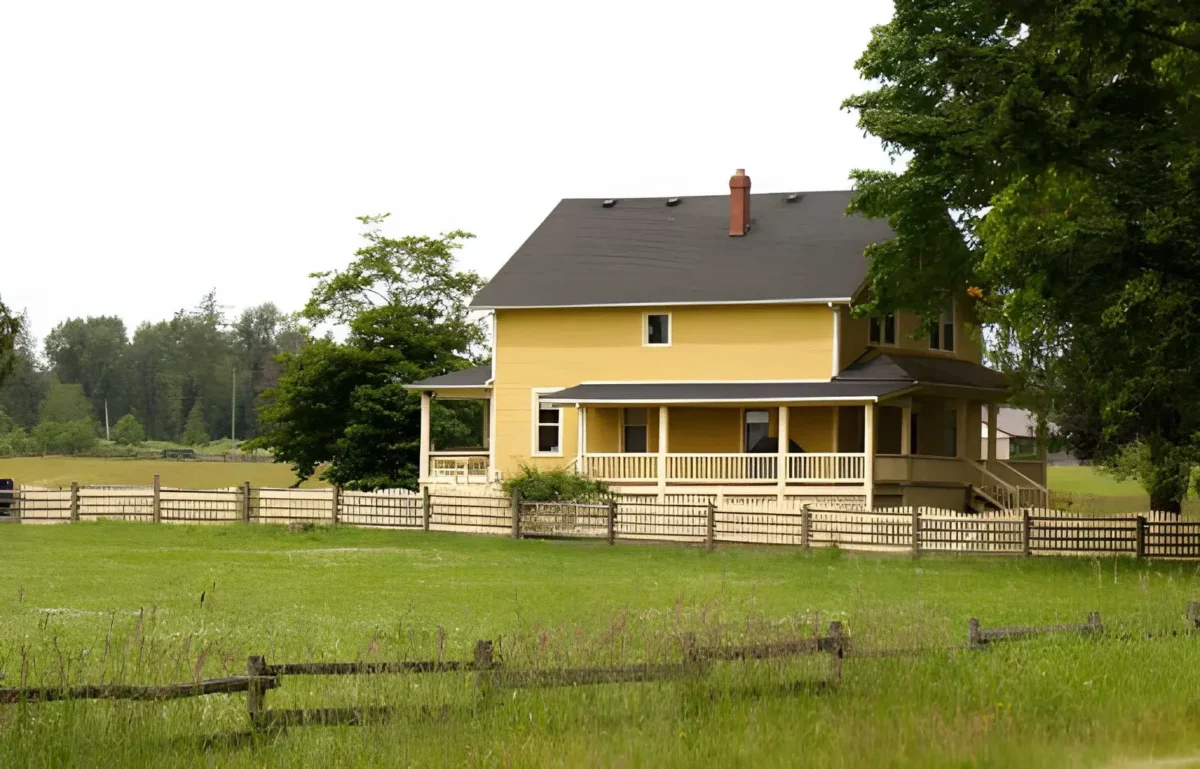

If you own an older home, you already know that every repair decision comes with a side of second-guessing. Replace the original windows and you lose character. Swap out the wood siding and suddenly the house looks like every other place on the block. The gutters are no exception. In fact, on many historic homes, the original copper gutters are one of the first things preservation boards ask about, and one of the last things any homeowner should replace with something cheaper.
There is a catch, though. Homes built a century ago were not designed around modern building codes, water management standards, or the intense rain events that seem to hit harder every year. So how do you honor the original design of your historic home while making sure the drainage system actually works and passes inspection? It is a real balancing act, and this article walks through how to pull it off.
Why Copper Is the Default Choice for Historic Restoration
Walk through almost any designated historic district in the United States and look up. You will see half-round gutters, decorative leader heads, and that unmistakable greenish brown patina that only aged copper produces. This is not a coincidence. Copper was the premium drainage material of the late 1800s and early 1900s, and builders of the era chose it for a reason. It does not rust, it holds soldered seams permanently, and it outlasts nearly every other metal on the roofline.
When a historic home is being restored, the goal is usually to return it to its original appearance as closely as possible. Vinyl or aluminum gutters on a Victorian or a Colonial Revival home look wrong in a way that is hard to describe but easy to spot. The profiles are different, the hangers are different, and the finish has a flat, painted look that fights with aged brick, slate, and cedar. Copper, on the other hand, blends in from day one and then ages along with the rest of the house.
There is also a practical argument. A well installed copper system routinely lasts 50 to 100 years, and there are documented cases of original copper gutters on century homes still doing their job today. Few other building components can make that claim.
The Patina Question: To Seal or Not to Seal
One of the most common questions homeowners ask is whether they can keep their copper gutters shiny. The short answer is that you can, but you probably should not.
New copper arrives with a bright penny finish. Within a few months it darkens to a deep brown, and over the course of several years, depending on your climate, it develops the blue-green verdigris that most people picture when they think of a historic roofline. That patina is not corrosion in the damaging sense. It is a protective layer that actually shields the metal underneath from further weathering. Trying to fight it with lacquers or clear coatings means committing to ongoing maintenance, and those coatings tend to fail unevenly, which looks far worse than natural aging ever would.
Preservation boards generally expect the patina. In fact, in some districts, a proposal to coat or artificially patina copper can trigger extra review. Letting the metal age naturally is usually the safest route, both for the look of the home and for the health of the gutters themselves.
Matching Original Profiles and Details
Historic gutter systems were rarely the K-style profiles you see on modern subdivisions. Most older homes used half-round gutters, sometimes with ornamental profiles like ogee or custom molded shapes on high-style buildings. Downspouts were often round, and leader heads, those decorative boxes where the gutter meets the downspout, served both a functional and decorative purpose.
When restoring or replacing a system, the details matter:
- Profile. Half-round is the most common historic profile and is still widely manufactured in copper. If your home has something more unusual, some sheet metal shops can custom form profiles to match the original.
- Hangers. Historic systems often used visible strap hangers across the top of the gutter. Modern hidden hangers work, but visible straps are more period appropriate and are usually preferred by review boards.
- Seams. Traditional copper work is soldered, not caulked. Soldered seams are permanent watertight joints, and they are a big part of why old copper systems lasted so long. Any contractor you hire should be comfortable with soldering, not just sealing.
- Leader heads and brackets. These small details carry a lot of visual weight. Salvage suppliers and specialty foundries can often reproduce missing pieces.
Photographing the existing system before any work begins is worth the effort. Those photos become your reference for the replacement and your evidence when dealing with a review board.
Where Modern Codes Come Into Play
Here is where historic homes get tricky. Modern plumbing and building codes have specific requirements for rainwater conveyance, and they do not always line up with what was installed in 1910.
Sizing is the biggest issue. Many original gutters and downspouts were undersized by today’s rainfall calculations. Modern code uses rainfall intensity data for your region, and in many areas those numbers have been revised upward as storm patterns have shifted. An original 4 inch downspout may simply not move water fast enough during a heavy storm, which leads to overflow, and overflow near a foundation is exactly what gutters exist to prevent.
The good news is that you can usually upsize the system without changing its character. Going from a 4 inch to a 5 inch half-round gutter, or adding an extra downspout on a less visible elevation, often satisfies code requirements while keeping the historic look intact. This is the kind of compromise that review boards approve regularly, because it preserves appearance while improving performance.
Other code considerations include:
- Hanger spacing and attachment. Modern standards for fastener spacing help the system handle snow and ice loads that older installations were never engineered for.
- Ground discharge. Many jurisdictions now require downspouts to discharge a minimum distance from the foundation, or to route into a drainage system, rather than dumping water at the corner of the house.
- Lead safety. If your existing system dates to the early 1900s, assume lead solder was used. Removal and disposal should follow current lead-safe practices.
Working With Your Preservation Board or HOA
If your home is in a designated historic district, changes to the exterior usually require a certificate of appropriateness or similar approval. The process sounds intimidating, but gutter projects are among the most commonly approved, especially when you are replacing like with like.
A few things make approval smoother. Submit photos of the existing system, specify that the replacement will match in profile, material, and finish, and note any code-driven changes such as added downspouts and where they will be placed. Boards respond well to proposals that show you understand the original design and are only making changes that protect the structure.
Even outside formal districts, many older neighborhoods have HOAs or voluntary design guidelines. Checking before you order materials can save an expensive redo.
Hiring the Right Installer
Not every gutter contractor should touch a historic copper system. Seamless aluminum is a volume business, and the skills involved, soldering, custom forming, working with half-round profiles, are different from what most modern crews do daily. Ask specifically about soldered seam experience, past historic projects, and whether they can source or fabricate matching components like leader heads and decorative brackets.
Also confirm they understand mixed metal issues. Copper must be hung with copper, brass, or bronze hardware, and it should never drain into aluminum or galvanized steel components. When two dissimilar metals meet in the presence of water, the less noble metal corrodes, sometimes rapidly. This is one of the most common and most preventable mistakes on otherwise careful restorations.
The Long View
Restoring a gutter system on a historic home is one of those projects where doing it right the first time really pays. A properly installed copper system will likely outlast your ownership of the house, protect the foundation and masonry that make the home worth preserving, and look like it belongs there every step of the way. Cheaper materials might save money in year one, but they will need replacement two or three times over the life of a single copper installation, and they will look wrong the entire time.
For anyone serious about preserving an older home, the roofline deserves the same respect as the front porch. Match the original, meet the modern code requirements where it counts, and let the copper do what it has been doing on historic homes for more than a century.
Also Read
- https://grammerway.com/transform-your-home-with-stylish-area-rugs-in-australia/
- https://grammerway.com/private-yacht-charter-dubai-or-shared-cruise-how-to-pick-the-right-format/
- https://grammerway.com/a-practical-look-at-long-term-outdoor-readiness/







Leave a Comment