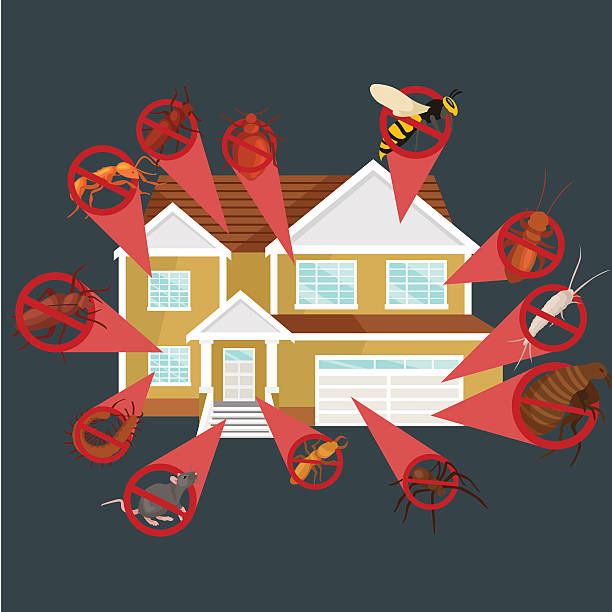

An occasional fly near an open door or a spider in the basement is part of homeownership. Other pest activity deserves considerably more attention. Repeated sightings, unexplained noises, damaged wood or tiny droppings can indicate that pests have found the food, water, shelter or access they need to remain inside a home.
The problem is that many infestations begin where homeowners cannot easily see them. Wall cavities, attics, crawl spaces and areas beneath appliances can conceal activity until the evidence becomes harder to overlook. Knowing which warning signs matter can help homeowners respond before a manageable problem becomes more difficult or expensive to address.
Persistent Problems Need Expertise
Some pest issues can be addressed with basic home maintenance. Sealing a small gap, cleaning up spilled food or removing standing water can eliminate conditions that attract insects and rodents. Persistent or widespread activity is different.
When pests continue returning despite reasonable preventive steps, hiring professional pest control in Orem Utah, Charlottesville Virginia or wherever you live is essential to identifying what is causing the activity and choosing an appropriate response. A professional inspection can look beyond the pest that happens to be visible and examine potential nesting areas, access points and environmental conditions supporting the infestation.
This can be especially important when pests occupy areas that are difficult to inspect safely, including wall voids, rooflines and crawl spaces. The goal should not simply be eliminating whatever appears that day. Addressing how pests entered and why they remained can reduce the chance of the same problem returning. Homeowners should also ask what preventive changes they can make afterward, since treatment and property maintenance often work best together.
Rodents Inside the House
Mice and rats can enter homes through surprisingly small openings, then establish themselves in protected areas near food and water. A homeowner may hear scratching in a wall or ceiling before ever seeing the animal responsible.
Droppings are another common warning sign, particularly inside cabinets, pantries, garages and storage areas. Gnawed food packaging, shredded materials and chew marks can also indicate rodent activity. Rodents may damage insulation and other building materials, and they can contaminate surfaces or stored food.
Simply trapping one rodent may not resolve the underlying problem if others remain or the entry point is still open. Homeowners should inspect areas around doors, utility penetrations, vents and the foundation for possible access points. Food should remain in sealed containers, trash should be secured, and clutter should be reduced in areas where rodents could hide.
Recurring Ants and Cockroaches
A few ants near spilled food may have an obvious explanation. A steady trail that returns after cleaning deserves more investigation. Ant colonies can establish nests in or around a structure, and repeatedly eliminating the visible workers may do little to address the larger colony.
Cockroach activity also warrants prompt attention. These insects often remain concealed during the day, which means regular sightings can indicate activity elsewhere in the home. Kitchens and bathrooms provide especially favorable conditions because food and moisture are readily available.
Cleaning remains an important part of prevention, but sanitation alone cannot solve every infestation. Homeowners should repair plumbing leaks, eliminate standing water, seal accessible food and inspect cracks around cabinets, baseboards, windows and plumbing lines. Paying attention to where insects appear can also help identify possible nesting areas or entry routes.
Termites Can Stay Hidden
Termites present a different challenge because homeowners may not see active insects wandering through living spaces. Instead, evidence can appear as discarded wings, mud tubes, damaged wood or surfaces that sound hollow when tapped. Some activity may remain concealed within walls or structural wood.
Because termites feed on cellulose, an established colony can damage wooden components over time. Moisture problems, wood touching soil and certain conditions around the foundation may increase the likelihood of activity.
Effective termite control starts with determining whether termites are present, identifying the type involved and evaluating where activity is occurring. Homeowners should avoid assuming that surface damage represents the full extent of a problem. An inspection can provide a clearer picture of affected areas and help determine an appropriate treatment strategy.
Preventive maintenance matters, too. Correct drainage problems, address leaks and avoid unnecessary wood-to-soil contact around the structure whenever possible.
Stinging Insects Near Living Areas
A single bee visiting flowers is very different from repeated wasp or hornet activity around an entryway, deck or other frequently used area. Nests can appear beneath eaves, inside wall openings, in trees or in the ground, sometimes close to places where people regularly walk or gather.
Homeowners should avoid disturbing an active nest without understanding what type of insect is present and where the nest is located. Swatting at insects or attempting to remove a nest can provoke defensive behavior.
Prevention can include checking exterior structures for developing nests, keeping outdoor trash covered and addressing openings that allow insects into walls or attics. Regular observation is useful because a small developing nest may be easier to address than one discovered later in the season.
Bed Bugs Require Fast Action
Bed bugs can be difficult to identify because bites alone cannot confirm their presence. Homeowners may instead notice dark spotting on bedding, shed skins, eggs or live insects around mattress seams, bed frames and nearby furniture.
These pests can spread beyond the immediate sleeping area, making early identification important. Moving belongings between rooms without a plan may unintentionally spread the problem.
The larger lesson applies to nearly every serious household pest: repeated evidence deserves investigation. Homeowners do not need to panic over every insect, but they should not ignore patterns. Recognizing activity early, correcting conditions that support pests and getting appropriate help when necessary can keep a relatively contained problem from becoming a much bigger one.
Read more: https://grammerway.com/transform-your-home-with-stylish-area-rugs-in-australia/
https://grammerway.com/discover-the-leading-skin-clinic-in-sydney-for-advanced-skincare-solutions/
https://grammerway.com/private-yacht-charter-dubai-or-shared-cruise-how-to-pick-the-right-format/

Leave a Comment