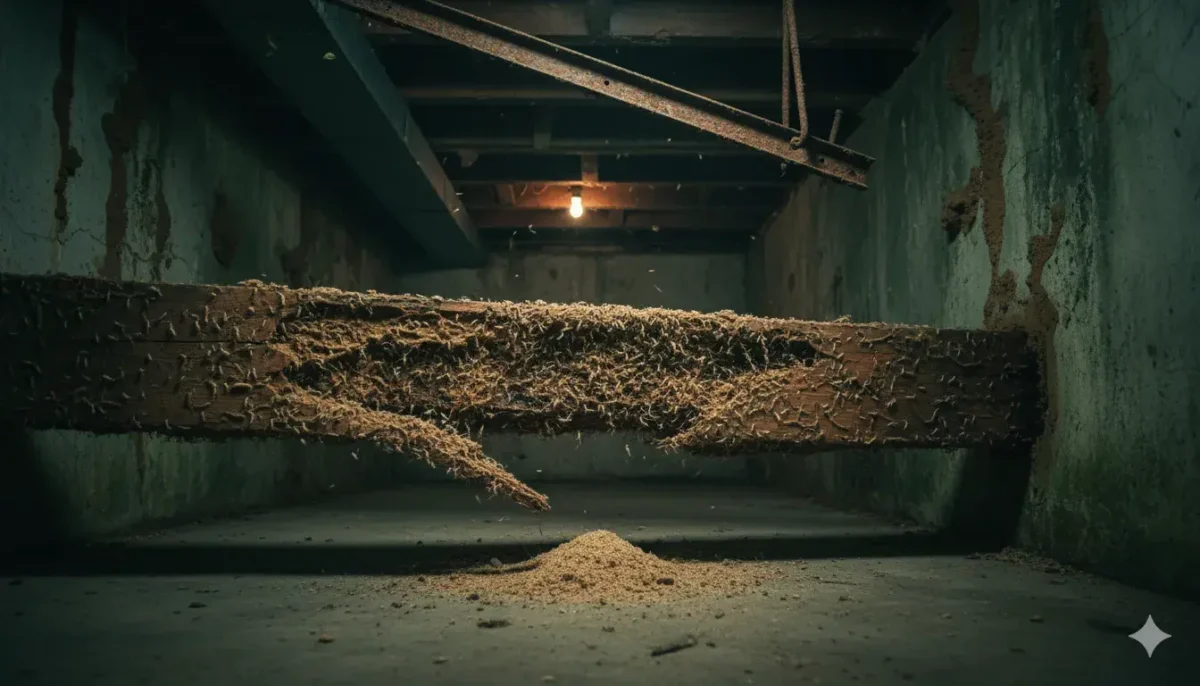

A home represents one of the largest investments most people will make during their lifetime. Protecting that investment requires attention to many areas of maintenance, including the prevention of hidden structural threats. Among these threats, termites remain one of the most concerning because they can cause extensive damage long before homeowners become aware of their presence.
Unlike many household issues that produce immediate warning signs, termite activity often develops quietly behind walls, beneath floors, and inside wooden structural components. This hidden behavior allows colonies to grow while gradually weakening important parts of the property. By the time visible symptoms appear, repairs may already be extensive and costly.
For this reason, homeowners increasingly view prevention as an essential part of long-term property care. Investing in proactive termite protection helps preserve structural integrity, maintain property value, and reduce the risk of significant future expenses.
Why Property Value Depends on Structural Health
Property value is influenced by more than appearance alone. While landscaping, interior design, and curb appeal contribute to market perception, structural condition plays an equally important role. Buyers and inspectors often pay close attention to signs of hidden damage because structural concerns can lead to expensive repairs.
When a property shows evidence of pest-related deterioration, buyers may become hesitant or request additional inspections before moving forward. Concerns about future repair costs can affect both negotiations and overall marketability. Protecting structural components helps preserve confidence in the property’s condition.
Termite control in Colts Neck contributes directly to this effort by reducing the likelihood of hidden damage that could negatively impact value over time.
Understanding the Threat Termites Pose
Termites feed on cellulose-based materials found in wood and many common building products. Because structural framing often contains these materials, homes naturally become attractive targets when conditions support infestation activity.
What makes termites particularly dangerous is their ability to remain concealed. Colonies frequently operate within walls, crawl spaces, attics, and other hidden locations where activity may continue unnoticed for extended periods. During this time, structural components can gradually weaken.
Homeowners who understand the nature of this threat are better positioned to appreciate the importance of preventative protection and ongoing monitoring.
Why Early Prevention Is More Effective Than Repair
Repairing termite damage often requires significant time and financial investment. Structural restoration may involve replacing framing members, repairing flooring systems, and addressing other areas affected by prolonged activity. These projects can become extensive when infestations remain undetected.
Preventative measures focus on reducing the likelihood of infestation before damage occurs. By identifying vulnerabilities early and implementing protection strategies, homeowners can often avoid the more serious consequences associated with active termite colonies.
Agile Pest Control encourages proactive prevention because it allows homeowners to address risks before structural integrity becomes compromised. Prevention often delivers stronger long-term value than reactive repairs.
The Relationship Between Moisture and Termite Activity
Moisture plays an important role in termite behavior. Many termite species are attracted to environments where damp conditions support survival and colony growth. As a result, properties with moisture issues may face increased risk.
Leaking plumbing, inadequate drainage, poor ventilation, and standing water can all contribute to favorable conditions for termites. These issues may also weaken building materials, making structures more vulnerable to infestation-related damage.
Termite control strategies often include moisture management recommendations because reducing environmental risk factors strengthens overall property protection.
How Routine Inspections Support Long-Term Stability
Regular inspections are among the most effective tools available for protecting structural health. Professional evaluations help identify warning signs before severe damage develops. Early detection allows homeowners to respond quickly and minimize potential consequences.
Inspectors assess vulnerable areas such as crawl spaces, foundations, wooden supports, and exterior structures where termite activity may occur. These evaluations provide valuable information about current conditions and future risks.
Agile Pest Control helps homeowners maintain stronger protection through routine inspections designed to uncover hidden concerns before they affect structural performance or property value.
Preserving Structural Integrity Through Prevention
A home’s structural framework supports every other component of the building. Walls, floors, ceilings, and roofing systems all rely on strong structural elements to function properly. Damage to these components can affect safety, performance, and overall property condition.
Preventing termite activity helps preserve these critical systems. Strong structural materials provide better long-term stability and reduce the likelihood of major restoration projects. Consistent protection supports the durability of the entire property.
Termite control should be viewed as an investment in preserving the foundation of the home’s long-term performance and value.
Reducing Future Financial Risk
Many homeowners focus on immediate maintenance expenses while overlooking the potential cost of major structural repairs. Termite damage can create significant financial burdens when infestations remain untreated for long periods. Repair costs often exceed the investment required for prevention.
Proactive protection reduces uncertainty by addressing risks before extensive damage occurs. Homeowners who prioritize prevention frequently experience fewer unexpected repair expenses and greater confidence in the condition of their properties.
Long-term financial planning includes protecting assets from preventable threats. Termite prevention contributes directly to that goal.
Why Buyers Value Protected Properties
When prospective buyers evaluate a home, confidence in the property’s condition plays a major role in decision-making. Evidence of regular maintenance and preventative care often creates a more positive impression. Buyers appreciate knowing that important systems have been protected.
A history of inspections and preventative measures may help demonstrate responsible ownership. This can contribute to stronger market appeal and potentially smoother transaction processes. Protection efforts often become part of the property’s overall value story.
Homes that show signs of proactive care frequently inspire greater buyer confidence than properties with uncertain maintenance histories.
Building a Comprehensive Property Protection Strategy
Termite prevention works best when integrated into a broader property maintenance plan. Routine inspections, moisture management, structural upkeep, and environmental awareness all contribute to stronger long-term results. Each measure supports the others.
Homeowners who adopt a comprehensive approach are generally better equipped to identify risks early and maintain healthier structures. Prevention becomes a continuous process rather than a one-time service. Consistency plays an important role in long-term success.
Agile Pest Control works with homeowners to develop protection strategies that align with the specific needs of the property while supporting long-term stability and value preservation.
Looking Beyond Immediate Concerns
Many homeowners focus primarily on visible maintenance needs because those issues are easiest to identify. Hidden threats such as termite activity often receive less attention despite their potential consequences. Looking beyond immediate concerns helps create stronger protection over time.
Investing in preventative measures today may prevent significant structural and financial challenges in the future. Long-term planning helps homeowners maintain both the condition and value of their properties more effectively.
Protecting structural health requires ongoing awareness, proactive maintenance, and informed decision-making throughout the life of the home.
Conclusion
A home’s value depends heavily on the strength and stability of its structural components. Because termites can cause significant hidden damage, prevention plays a critical role in protecting both the property and the investment it represents. Early action helps reduce risks before costly repairs become necessary.
Termite control supports stronger structural integrity, improved property value, and greater long-term financial security. Through inspections, moisture management, and preventative planning, homeowners can reduce the likelihood of infestation-related damage while preserving the condition of their homes.
With support from Agile Pest Control, homeowners can implement protection strategies designed to deliver lasting results. Through professional inspections, preventative solutions, and ongoing guidance, Agile Pest Control helps safeguard structural stability and maintain property value for years to come.
Also Read-Clear Connections: What Good Communication and Home Design Have in Common







Leave a Comment