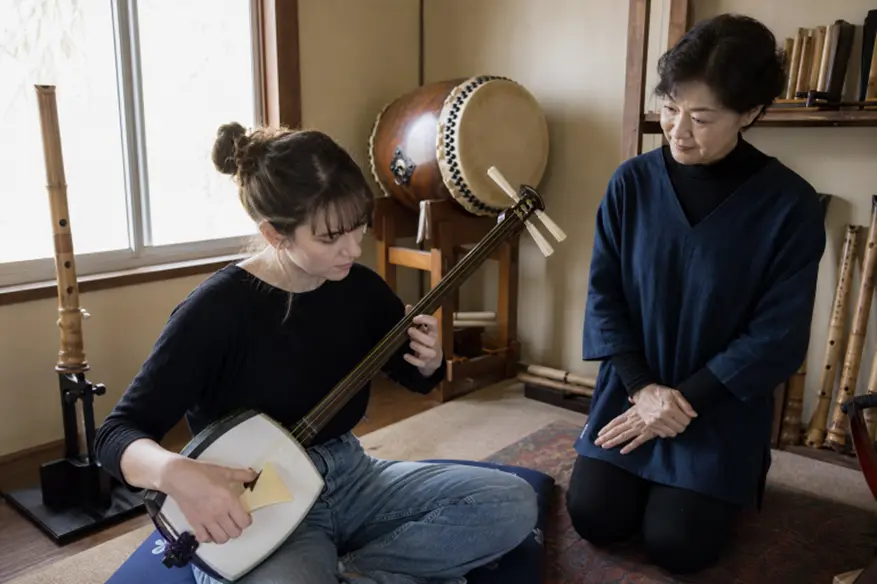

Learning a traditional Japanese instrument can be a rewarding way to build musical skill while engaging with a living cultural practice. From breath-led flutes to resonant strings and powerful drums, traditional japanese music instruments offer very different sounds, physical demands, and learning experiences. The right choice is not always the instrument that sounds most impressive at first. A beginner is more likely to stay motivated when the instrument fits their musical taste, available space, body comfort, budget, and access to dependable instruction.
Why The Choice Matters
A beautiful recording can inspire a purchase, but it cannot tell you whether an instrument will feel manageable after weeks of practice. A person in a compact apartment with sound-sensitive neighbors may thrive with a quieter flute or carefully played string instrument. At the same time, someone with rehearsal space may enjoy taiko’s physical intensity. The most suitable instrument is usually the one you can realistically pick up several times every week.
How The Main Instruments Compare
- Shakuhachi: A bamboo end-blown flute known for airy, expressive tones. It suits patient learners interested in breath control, long tones, and solo practice. Producing a stable first note can take persistence.
- Koto: A long zither played by plucking strings, often with finger picks. Its bright, ringing sound appeals to melody-focused players, but it needs a broad floor area and secure storage.
- Shamisen: A three-stringed instrument with a sharp, rhythmic attack. It is a strong match for learners who enjoy pulse and percussive picking, although strings, plectrums, and the body covering require care.
- Taiko: Japanese drums played with sticks and full-body movement. Taiko is ideal for active learners and ensemble settings, but volume, transportation, and room size are serious practical considerations.
- Shinobue: A transverse bamboo flute with a bright, festive voice. It can appeal to players interested in folk or festival traditions, though pitch and fingering vary across flute sizes.
- Biwa: A lute associated with dramatic accompaniment and storytelling. Its distinctive character is compelling, but beginner instruments and teachers may be harder to locate.
Start With Sound And Musical Feel
Listen before you shop. Find solo performances as well as ensemble recordings, because the same instrument can feel intimate in one setting and forceful in another. Ask yourself what remains memorable after listening: sustained breathy tones, crisp rhythmic attacks, deep drum patterns, delicate melodies, or music that supports a spoken narrative. The shakuhachi is especially useful for understanding how tone and phrasing can become central to an instrument’s identity. Its history and performance traditions show why beginners should look beyond simple note production and consider the kind of musical expression they hope to develop.
Match The Instrument To The Learning Style
Different instruments reward different kinds of attention. There is no single easiest path, only a path that better matches how you like to learn.
- Quiet, independent learners may enjoy shakuhachi or koto, where small improvements in tone and touch can be deeply satisfying.
- Rhythm-oriented learners may prefer shamisen or taiko, which make timing, articulation, and repeated patterns highly visible.
- Social learners may progress faster in taiko groups, folk ensembles, workshops, or regular classes.
- Detail-focused learners may enjoy the ongoing work of tuning, fingering, posture, and sound control found in string and wind instruments.
- Story and theater enthusiasts may be drawn to biwa or shamisen traditions connected with song, narration, and stage performance.
Check Space, Comfort, And Practice Habits
Measure your practice area before ordering an instrument. Koto requires substantial horizontal space, taiko may need space for safe movement, and any instrument needs a place to be stored securely between sessions. Consider whether you will normally play seated, standing, or moving, then test that position during a lesson whenever possible. Comfort is not a minor detail. Hand reach, instrument weight, shoulder tension, floor seating, and session length all affect consistency. A setup that creates discomfort quickly can become a daily reason not to practice. Also, consider sound levels honestly, especially if you share walls, floors, or ceilings with others.
Consider Lessons And Local Support
A knowledgeable teacher can correct posture before it becomes a habit, explain tuning and notation, and provide cultural context for the repertoire. Look for private instructors, group classes, community arts programs, workshops, or online lessons that specifically welcome beginners. Before committing, ask how often instruction is available and whether the teacher can recommend an appropriate entry-level instrument. Construction also affects what you will need to learn and maintain. A visual guide to the shamisen’s neck, body, strings, and coverings can help a prospective player understand why setup, materials, and repairs matter.
Plan For Cost And Care
Set a budget for ownership, not just for the initial purchase. Include the instrument, case, lessons, replacement strings or accessories, tuning tools, cleaning supplies, and possible shipping costs. Drummers may need sticks and practice solutions, while flute players may need cleaning equipment and guidance on protecting bamboo. Natural wood, bamboo, skin, and other traditional materials can react to temperature and humidity. Ask a teacher or seller about safe storage, seasonal changes, and routine maintenance before bringing an instrument home. A modest beginner instrument that is properly cared for is often a better investment than a more expensive one that cannot be stored safely.
Use A Simple Trial Plan
- Listen to at least three performances of each instrument you are considering.
- Write down which sounds still interest you a day later.
- Attend a demonstration, workshop, or trial lesson.
- Test posture, reach, volume, storage needs, and transportation concerns.
- Choose the option you can reasonably practice several times per week.
Common Beginner Questions
Which Traditional Japanese Instrument Is Easiest To Start?
It depends on the learner. Rhythm instruments may feel immediately approachable for some people, while others prefer the focused challenge of flute tone or string technique. Choose based on sustained interest rather than a promise of quick results.
Should Beginners Rent Or Buy?
Borrowing, renting, or taking a trial lesson is often the safest first step. It gives you time to evaluate sound, comfort, and practice demands before making a larger commitment.
Can Someone Learn Without Reading Western Music?
Yes. Many Japanese traditions use their own notation systems, oral teaching methods, and teacher-led demonstrations. Previous experience with staff notation can help, but it is not always required.
How Often Should A Beginner Practice?
Short, regular sessions are usually more useful than occasional marathon sessions. Fifteen focused minutes spent several days a week can establish technique, listening habits, and confidence.
Final Thoughts
Choosing a traditional Japanese instrument should be a thoughtful decision, not a rushed purchase. Start with the sound that moves you, then check whether the technique, practice environment, support system, and ongoing costs fit your life. Consider the instrument’s size, learning curve, maintenance needs, and availability of lessons before committing. Some instruments may require specialized accessories, regular tuning, or guidance from an experienced teacher, which can affect the overall experience. A realistic trial period can help you understand how the instrument feels in your hands and whether you enjoy practicing it consistently. It is also useful to explore performances and beginner resources to learn more about the instrument’s musical traditions and playing style. With the right preparation, your choice can become more than a purchase, as it can be the beginning of a rewarding connection with Japanese music and culture.
Also Read-Innovative Technologies in Metalworking Equipment







Leave a Comment