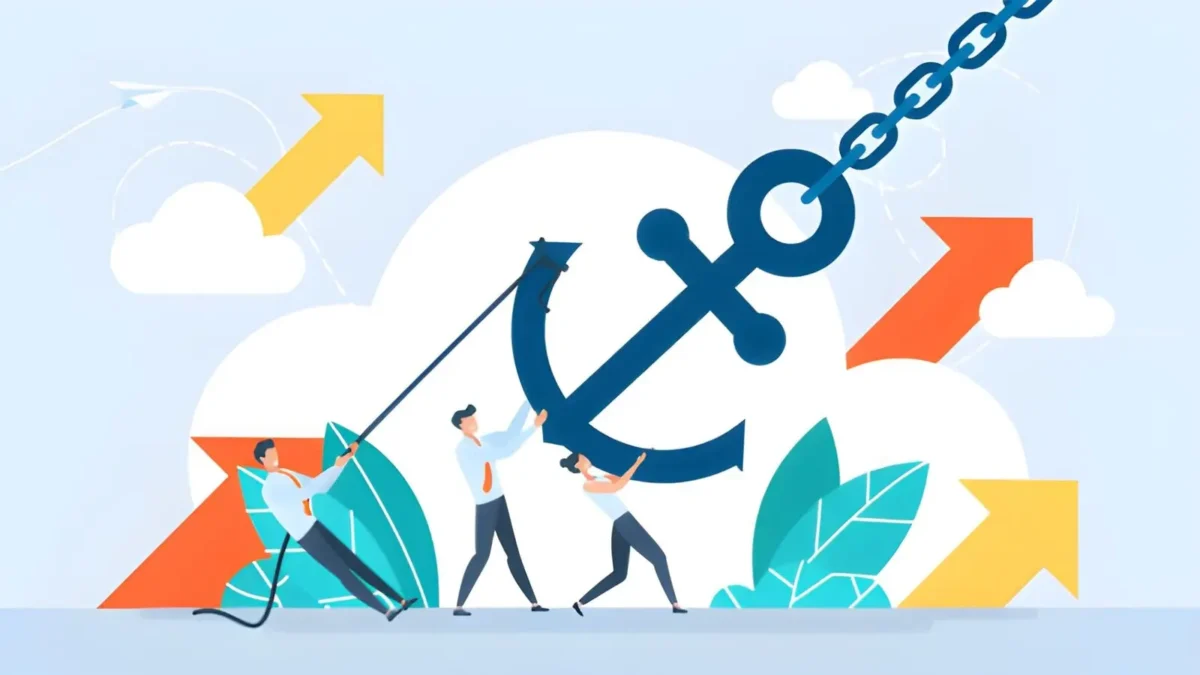

Nobody Is Meant to Drift Alone
Life has a way of testing your balance. A financial setback, a health scare, a job change, a family conflict, or a stretch of loneliness can make even a capable person feel unsteady. In those moments, support systems matter because they do not magically remove the storm. They help keep you from being carried away by it.
A good support system works like an anchor. It gives you something steady to return to when everything else feels uncertain. For people facing financial pressure, resources like debt relief in Texas can offer practical help, while trusted people can offer the emotional and social steadiness needed to keep moving forward.
Support does not mean someone else takes over your life. It means you are not forced to carry every hard thing by yourself. Sometimes the most powerful support is not dramatic at all. It is a calm voice, a ride to an appointment, a shared meal, a professional perspective, or someone saying, “Let us look at this together.”
An Anchor Does Not Stop the Waves
Support systems are valuable because they create stability without pretending life is easy. An anchor does not stop the water from moving. It simply keeps the boat from drifting too far.
That is what strong relationships can do during difficult seasons. They help you stay connected to reality when stress makes everything feel bigger than it is. They remind you of your strengths when you are focused only on what went wrong. They help you slow down when panic wants you to rush.
This matters because stress can narrow your thinking. When you are overwhelmed, you may start believing that one bad week means your whole future is ruined. A steady person can help you separate the facts from the fear. They may not solve the problem for you, but they can help you see the next step more clearly.
Support is not a replacement for personal responsibility. It is part of how people stay responsible when life gets heavy.
Support Comes in Different Forms
Not every person in your life can support you in the same way, and that is okay. Some people are good for emotional support. They listen without judging, let you vent, and help you feel less alone. Some people are practical supporters. They help with childcare, transportation, errands, paperwork, or problem solving. Some people offer social support by helping you laugh, leave the house, reconnect, or remember that life is larger than the current problem.
Then there are professional supports. Counselors, financial professionals, doctors, coaches, community workers, and mentors can bring training and structure that friends and family may not have. There is no weakness in needing professional help. In many cases, it is the most efficient and respectful way to handle a serious issue.
A healthy support system usually includes more than one kind of person. Expecting one friend, partner, parent, or sibling to meet every need can put too much pressure on the relationship. Anchors work best when there is more than one point of connection.
Connection Protects Mental Health
Support systems are not just emotionally nice. They are connected to real wellbeing. The CDC explains that social connection can create feelings of belonging and being cared for, and that supportive relationships help people cope with stressful life challenges.
That makes sense in everyday life. When you feel connected, your problems may still be serious, but they often feel less isolating. You are less likely to spiral in private. You have people who can check on you, challenge your worst assumptions, and remind you that needing help does not make you a burden.
Isolation, on the other hand, can make problems echo. A worry that might shrink in conversation can grow larger in silence. A practical issue can become an identity crisis. A hard day can start to feel like proof that nothing will improve.
Connection interrupts that echo. It gives your mind another voice besides fear.
The Right Support Builds Self Esteem
Good support does not make you feel smaller. It helps you remember your own ability. The best supporters do not treat you like a project or a problem. They treat you like a person going through something hard.
That distinction matters. Support should not create dependency or shame. It should create steadiness. A supportive person might say, “I believe you can handle this, and I will sit with you while you do.” That kind of presence strengthens self esteem because it combines care with confidence.
When people feel supported, they often become more willing to take healthy action. They make the call. They attend the appointment. They open the bill. They apply for the job. They have the conversation. They keep going because someone helped them feel less alone in the process.
Support systems can also reflect your better qualities back to you. When stress has you focused on every flaw, trusted people can remind you that you are still responsible, kind, capable, creative, persistent, or brave. Sometimes you need someone else to hold the mirror steady until you can see yourself clearly again.
Being Supported Also Means Being Honest
A support system only works if people know what is really going on. That does not mean sharing every private detail with everyone. It means letting the right people have enough truth to help.
Vague answers like “I am fine” may protect your pride, but they also keep support away. A more useful answer might be, “I am overwhelmed and need help sorting priorities,” or “I do not need advice right now, but I could use someone to listen,” or “Can you help me make a plan for the next hour?”
Clear requests make support easier to give. People often want to help but do not know what would actually help. When you name the need, you give them a doorway.
NIMH’s guidance on caring for your mental health encourages people to seek help when mental health concerns interfere with daily life or cause distress. Asking for support is not something you have to earn by falling apart first. It can be part of staying well.
Support Systems Need Maintenance
Anchors do not stay strong by accident. Relationships need attention before a crisis arrives. That means checking in, showing appreciation, offering help when you can, and not only reaching out when life falls apart.
Support is mutual over time, even if it is not perfectly balanced every day. There may be seasons when you need more than you can give. There may be other seasons when you are the steady one for someone else. Healthy support systems allow for both.
It also helps to be intentional about who gets access to your hardest moments. Not everyone is safe, mature, or capable enough to be part of your anchor system. Some people escalate stress. Some make everything about themselves. Some judge when you need steadiness. Choosing support wisely is part of caring for yourself.
A strong support system is not just a large group of people. It is a reliable group of people.
You Can Build an Anchor Slowly
If you do not currently have a strong support system, that does not mean you are stuck. Anchors can be built slowly. Start with one honest conversation. Join one group. Reach out to one professional. Reconnect with one trustworthy person. Become a little more consistent in one relationship.
You do not need a perfect circle overnight. You need one real point of connection, then another.
Support can also come from structured communities. Classes, recovery groups, faith communities, volunteer organizations, hobby groups, neighborhood programs, and professional networks can all become places where connection grows. Sometimes support begins simply by showing up in the same place enough times for familiarity to form.
The key is to stop treating self reliance as the only respectable option. Independence is useful. Isolation is not the same thing.
Anchors Help You Keep Moving
The value of a support system is not that it removes the need for effort. You still have to make decisions, take responsibility, and face hard moments. But support helps you do those things with more stability.
It lowers stress by giving you places to bring fear before it becomes panic. It strengthens resilience by reminding you that setbacks do not have to be faced alone. It improves wellbeing by creating belonging, perspective, and practical help.
A strong support system says, “You are still connected.” That message can be powerful when life feels uncertain.
You may not always need the anchor with the same intensity. During calm seasons, it may simply rest in the background. During storms, it may be the thing that keeps you from drifting too far.
Either way, it matters. Life is easier to navigate when you know where your anchors are.
Also READ-The Instant Room Makeover: Elevating Your Home with Premium Floor Lamps







Leave a Comment