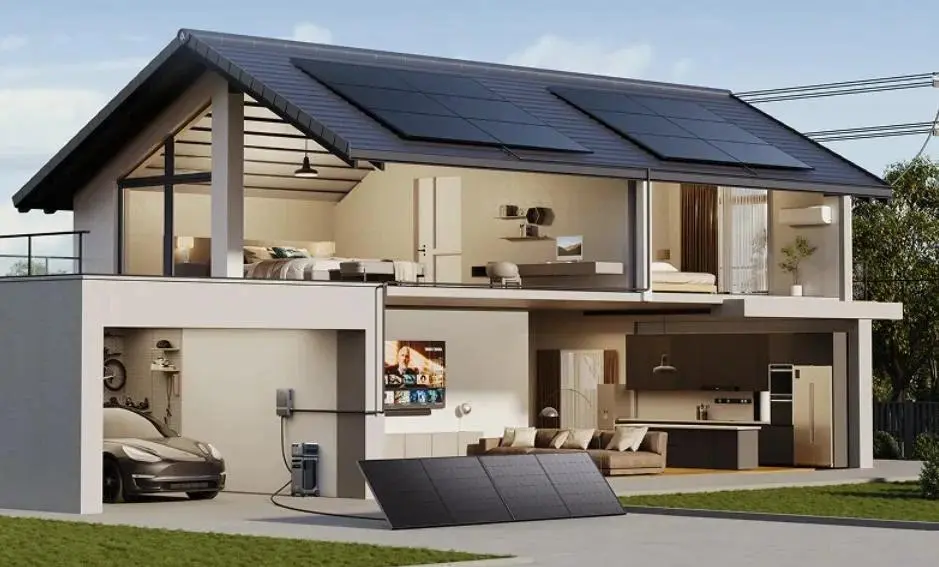

Energy storage can make solar power more reliable by saving electricity when panels produce extra energy and supplying it later when production drops. Solar systems generate power only when sunlight is available, but homes and businesses need electricity at many different times, including early mornings, evenings, and during bad weather. A battery adds flexibility by turning solar from an immediate power source into a usable reserve. That reserve helps smooth out short-term fluctuations, reduce dependence on the grid, and keep important loads running more consistently when solar output alone cannot match demand.
Where Solar Reliability Gaps Come From
Solar Output Rises and Falls With Conditions
Solar reliability gaps begin with the way panels produce electricity. Output changes through the day as the sun rises, peaks, and sets, and it can also drop quickly when clouds pass, temperatures increase, or shading affects part of an array. Seasonal changes matter too, since shorter winter days and lower sun angles reduce daily generation. Even a well-designed solar system cannot deliver the same level of power every hour. That natural variability creates periods when production is high, periods when it is modest, and periods when it stops completely after sunset for most homes.
Household Demand Rarely Follows Solar Production
Home energy use usually peaks at times that do not line up with solar generation. Many households need more power in the morning when people get ready for the day and again in the evening when lights, appliances, cooking equipment, and climate control systems all run together. At midday, when solar production is often strongest, a home may use much less electricity, especially if no one is there. This mismatch means excess solar can go unused in the moment, while later demand must be met by the grid or backup power unless stored energy is available when needed.
How Energy Storage Fills the Gaps
Capture Solar Energy That Is Not Used Immediately
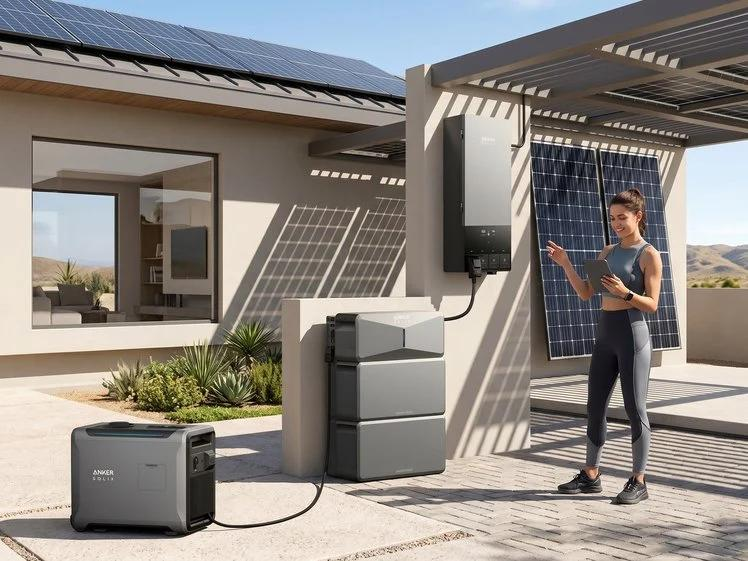
Energy storage improves solar reliability by capturing surplus electricity instead of letting that value disappear in the moment. renewable energy storage allows solar systems to retain excess generation and make it available when production is lower or demand increases. When solar panels generate more power than a home is using, a battery can store the difference for later use. This shifts energy from periods of strong production to periods of higher demand. It also makes a solar system more useful across the full day, not just during bright midday hours. For example, the Anker SOLIX E10 combines 6–90 kWh expandable storage with 9–27 kW solar input, supporting both daily load shifting and larger stored reserves.
Release Stored Power When Production Falls
A battery increases reliability by releasing stored electricity when solar production declines. That can happen in the evening after sunset, during storms, or when passing clouds temporarily reduce output. Instead of drawing all needed power from the grid right away, the system can use stored solar energy first. This helps maintain a steadier supply for household loads and reduces abrupt changes in how the home is powered. In practical terms, storage extends the usefulness of daytime generation into lower-production hours, giving solar systems a more dependable role in covering everyday electricity needs throughout changing conditions.
Maintain a Reserve for Unexpected Power Loss
Energy storage can also support reliability by holding back a reserve for unexpected outages or sudden drops in available power. If the grid goes down or solar generation falls faster than expected, stored energy can keep selected circuits operating while the system adjusts. This reserve is especially important for refrigeration, communications, medical devices, lighting, and other essential loads that should not shut off without warning. By keeping backup energy ready instead of using every stored kilowatt-hour immediately, a battery system adds another layer of protection and gives households more control during unstable conditions or emergencies.
Improve Reliability Beyond a Single Day
Size Storage Around Energy Use, Not Just Solar Capacity
Reliable solar-plus-storage design starts with actual energy use. A battery should be sized around when and how much electricity a household consumes, not only around the wattage of the solar array. Daily usage patterns, critical backup loads, evening demand, and expected outage duration all shape the right storage target. A system that looks large next to the panels may still be too small if overnight loads are high or backup expectations are broad. Matching storage to real consumption makes it easier to carry solar energy into the hours when reliability matters most for the household.
Add Capacity as Backup and Energy Needs Grow
Energy needs often change over time, so storage that can expand helps preserve reliability in the long run. A household may add new appliances, work-from-home equipment, electric heating, or other loads that increase both daily consumption and backup expectations. If battery capacity can grow with those demands, the solar system stays useful instead of becoming undersized. Expansion also helps households prepare for longer outages or reduce reliance on grid power more consistently across multiple days. Building flexibility into storage planning supports a system that remains dependable as routines, equipment, and resilience goals evolve over time.
Conclusion
Energy storage can make solar power more reliable because it solves the main problem solar cannot address by itself: timing. Solar panels produce electricity when sunlight is available, but homes need power according to daily routines, weather changes, and unexpected outages. A battery bridges that gap by storing excess production, delivering power when generation falls, and preserving backup energy for critical needs. When storage is sized around real consumption and expanded as needs grow, solar becomes a steadier and more practical energy source. In short, storage turns solar from intermittent generation into a more dependable household power system.
Also Read
- Life Fitness: Revolutionizing Wellness and Exercise Solutions
- Innovative Technologies in Metalworking Equipment
- Why Local Home Builders Are Often the Best Choice







Leave a Comment