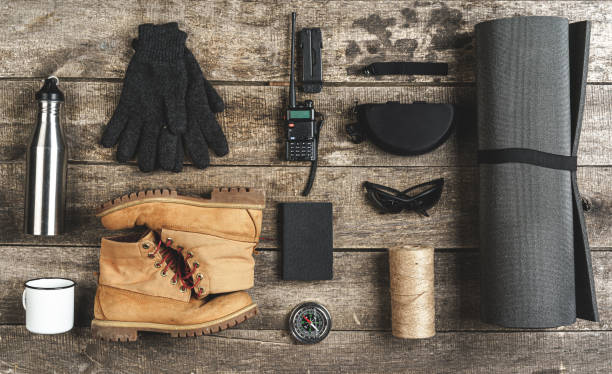

Practical menswear has escaped the job site, and that is largely a good thing. The best rugged pieces have always solved actual problems: jackets with useful pockets, boots built for bad weather, heavyweight shirts that improve with age and storage that keeps expensive gear from taking over the house. What has changed is the expectation that functional things should also look good.
The modern version of rugged style is less lumberjack costume and more considered utility. Buy fewer things, pay attention to materials and choose pieces that can survive real use without making you look like you are auditioning for a heritage workwear catalogue.
Get Serious About Your Boots
Good footwear should remove weather from your list of daily concerns. A pair of waterproof work boots makes particular sense for men who spend time outdoors, commute on foot or simply refuse to let rain dictate what shoes they can wear. The trick is choosing a pair that delivers protection without becoming an enormous, clunky object attached to your leg.
Look for a secure fit at the heel, enough room through the toe box and an outsole suited to the surfaces you actually encounter. If you regularly walk across wet pavement, mud or uneven ground, traction deserves as much attention as the upper. Dark brown and black are also easier to integrate into a casual wardrobe, particularly with straight-leg denim, canvas pants and heavyweight chinos. Properly chosen boots should look better once they have picked up a little evidence of actual life.
Let Workwear Grow Up
The easiest way to wear workwear without looking like you bought a costume is to mix rugged pieces with cleaner ones. A chore coat over a crisp Oxford shirt works because the two items balance each other. The same goes for dark jeans with a substantial knit polo or carpenter pants paired with a simple wool jacket.
Fit is where many men get it wrong. Workwear traditionally allows room for movement, but roomy does not have to mean shapeless. Jackets should leave enough space for layering without swallowing your shoulders, while pants can have a fuller leg without pooling around your shoes. The current shift toward more relaxed silhouettes actually makes functional clothing easier to wear, provided the proportions still look intentional.
Color helps keep things sophisticated. Olive, navy, tobacco, charcoal, cream and washed black naturally work together, which means you can build several outfits from a relatively small rotation. Save the head-to-toe matching canvas for the people who are genuinely clocking in.
Treat Gear Like Good Clothing
A man who spends money on good clothing should take equally good care of the equipment surrounding it. That means drying wet shoes properly, brushing dirt from boots before it becomes embedded and storing seasonal pieces somewhere they are not being crushed beneath a box of holiday decorations.
The same logic applies to outdoor equipment, bicycles, tools and sporting gear. Organization is not particularly seductive until you realize you can find exactly what you need without excavating half the garage. Wall hooks, shelving and labeled containers turn equipment into an accessible system rather than a collection of expensive objects piled in increasingly mysterious corners.
For clothing, breathable garment bags are useful for suits and formal pieces that spend long stretches unworn. Knitwear should generally be folded rather than hung, while coats need sturdy hangers capable of supporting their weight. Taking care of what you own is one of the easiest ways to make better purchases that actually pay off.
Give Your Stuff Better Real Estate
Eventually, the garage reaches capacity. Bikes multiply, tools accumulate, lawn equipment appears and suddenly the car is living outside because every square foot indoors has been claimed. For homeowners with the space, a side lofted barn can offer dedicated storage while using an elevated area to increase usable capacity without consuming additional ground space.
That extra separation can be surprisingly valuable. Bulky seasonal items can live overhead while frequently used tools and equipment remain accessible below. Depending on the structure and its intended use, it may also provide room for a workshop or hobby area rather than forcing every project onto the kitchen table.
Before adding any outdoor structure, check local zoning rules, permit requirements, property setbacks and homeowners association restrictions where applicable. Think about access, drainage and what you realistically plan to store, too. Buying considerably more space than you need can simply create a larger place to accumulate things you forgot you owned.
Buy Things Worth Keeping
The smartest version of rugged style has very little to do with chasing a specific aesthetic. It is about owning objects that tolerate use. A jacket should still look good after several seasons. Boots should be comfortable enough that you reach for them regularly. Storage should make your belongings easier to use rather than giving you permission to collect more of them.
Maintenance matters just as much as the original purchase. Clean clothing according to its care instructions, deal with stains promptly and repair minor damage before it becomes terminal. Resole footwear when the construction allows it, and periodically go through stored equipment to decide what still deserves the space it occupies.
Great personal style has always involved knowing what to leave out. Build a wardrobe and a home around useful, handsome things that can take a beating, and you will need fewer replacements, fewer impulse purchases and far less clutter.
Read more: https://grammerway.com/how-to-make-better-financial-decisions/
https://grammerway.com/maximizing-returns-through-strategic-commercial-property-investment/

Leave a Comment